
Articles
।। Ratha Yatra or Ghosha Yatra in Srimandir Part – 4 ।।
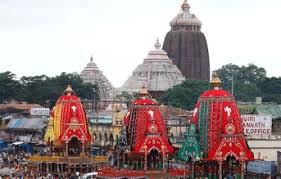
Apr
Jay Jagannath, Om Namo Bhagavate Vasudevaya. This Part 4 article explains Patitapabana Yatra, one of the sacred names associated with Mahaprabhu’s world-famous Ratha Yatra.
Mahaprabhu’s world-famous Shri Gundicha Yatra is held every year from Ashadha Shukla Dwitiya, the second day of the bright fortnight of Ashadha, until Ashadha Shukla Trayodashi, which concludes with Niladri Bije, the final return to the temple.
This Ratha Yatra is known by various names in different scriptures, Puranas and folklore, including Patitapabana Yatra, Ghosha Yatra, Mahavedi Mahotsav, Uttarabhimukhi Yatra, Navadinatmika Yatra, Dashavatara Yatra, Gundicha Mahotsav Yatra and Adapa Yatra.
Patitapabana Yatra: Lord Jagannath as Uplifter of the Fallen

(1) Patitapabana Yatra: Shri Jagannath is the Patitapabana Thakura, the Lord who uplifts the fallen and sinful. The flag flying atop His Nilachakra is known as the Patitapabana Bana, signifying the upliftment of the fallen. Mahaprabhu’s world-famous Ratha Yatra is meant for the salvation and upliftment of patita jana. Therefore, Mahaprabhu’s Ratha Yatra is called Patitapabana Yatra.
The meaning of Patitapabana Yatra is reflected throughout this explanation. The Lord’s title as Patitapabana Thakura, the Patitapabana Bana above the Nilachakra, and the purpose described for the journey all point to the same devotional idea: Mahaprabhu is remembered as the uplifter of those who seek His grace. This gives the festival a spiritual meaning beyond the movement of the chariots and explains why this sacred name is used for Ratha Yatra.
Part 4 therefore focuses on the compassionate meaning behind this name of the festival. Among the many names of the annual journey, Patitapabana Yatra emphasizes Lord Jagannath’s role as the one who uplifts the fallen and offers divine refuge through His world-famous Ratha Yatra.
Jay Jagannath, Om Namo Bhagavate Vasudevaya Namah.