Articles
-: ll Anasar Niti ll :-
Jun
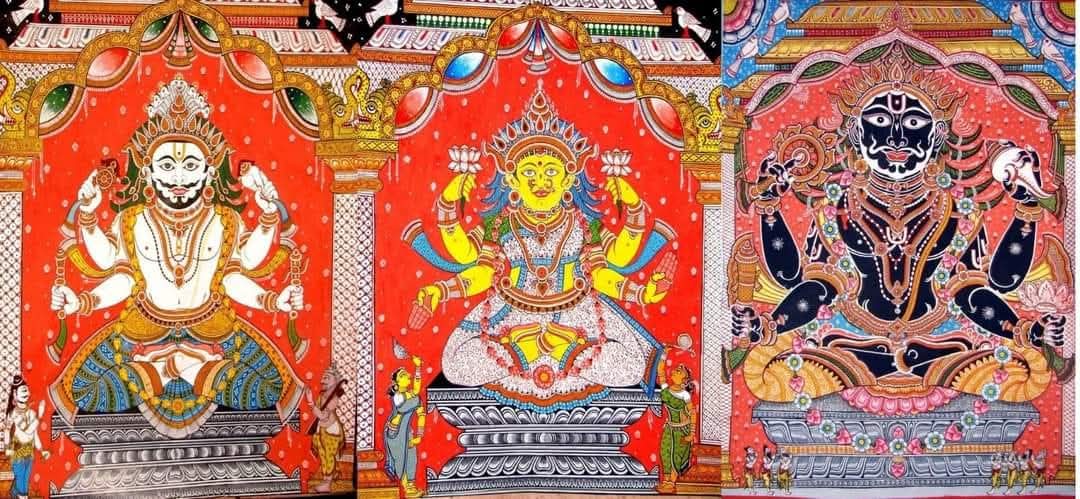
Anasar Niti begins from the day after Devasnaan Purnima and continues until Netrotsav, when Jagannath, Balabhadra, and Subhadra remain afflicted with fever in the Jagannath Temple and do not grant darshan (auspicious sight) to devotees. This period is known as Anasar or Anavasara. According to tradition after the Snan Yatra (bathing ritual), the Anavasara Niti (custom) is observed. This renowned Parvana (festival) is divided into six parts according to its procedures. First is the Snan Yatra, second is Anavasara, third is Shri Gundicha, fourth is Adapa, fifth is Bahuda, and sixth is Niladrivijay. These six constitute the Shadanga Sanskara (sixfold ritual).
In our body, there are 6 good things, such as beauty, energy, grandeur, dignity, sweetness, and power. And there are also 6 bad things, such as anger, wrath, greed, infatuation, intoxication, and ill-will. The combination of these 6 constitutes a person’s life, and when life ends, all the practice (sadhana) of life is completed. The body is then taken to a pyre of 6 pieces of wood, or 5 or 7 pieces of wood, depending on the size.
Anasar Niti within the Shadanga Vidhi
The Anasar Niti is observed within the Shadanga Vidhi (sixfold ritual). After Shreejiu (the deities) leave the bathing platform on the night of Snan Purnima, the devotees apply Rahurekh (the Rahu constellation) to their faces on the Anasar Pindi (mound of earth). This period follows the bathing festival and forms the second part of the sixfold ritual sequence described here, before Shri Gundicha, Adapa, Bahuda and Niladrivijay. During Anasar Niti, devotees wait through the deities’ period of seclusion until darshan resumes around Netrotsav.