Sabitri Amabasya & Jalakrida

Apr
Sabitri Amabasya & Jalakrida
Sabitri Amabasya and Jalakrida: The Convergence of Marital Devotion and Divine Cooling
The Beautiful Synergy of May 2026 The spiritual calendar of Odisha is a masterclass in weaving personal, household piety with grand, temple-based divine spectacles. On Saturday, May 16, 2026, the state will witness a profoundly beautiful convergence of two incredibly significant spiritual observances: Sabitri Amabasya and the ongoing rituals of Jalakrida. Falling on the Amavasya (new moon day) of the sacred month of Jyestha, this unique day represents a spectacular duality of faith. In thousands of households across the state and the global Odia diaspora, married women undertake a rigorous, loving fast for the longevity and prosperity of their husbands. Simultaneously, within the ancient, stone-carved walls of the Shri Jagannath Temple in Puri, the temple servitors continue their deeply affectionate, cooling water rituals (Jalakrida) to offer the Supreme Lord relief from the blistering summer heat. This day perfectly encapsulates the essence of Odia spirituality—where intense personal austerity runs parallel to the deeply emotional, loving service (Seva) offered to the Lord of the Universe.
The Epic Legend of Sabitri and Satyavan The foundational core of Sabitri Amabasya is rooted in one of the most powerful, enduring legends of the Mahabharata: the story of Princess Savitri and her husband, Prince Satyavan. Forewarned by sage Narada that her chosen husband was destined to die exactly one year after their marriage, Savitri’s devotion remained utterly unshaken. When the fateful day arrived, and Yamaraj (the Lord of Death) came to claim Satyavan’s soul, Savitri followed him relentlessly. Through her extraordinary wisdom, profound spiritual purity, and unyielding dedication, she engaged the Lord of Death in a deep philosophical dialogue. Thoroughly impressed by her unmatched devotion and intellect, Yamaraj was compelled to grant her boons, ultimately restoring Satyavan’s life. Sabitri Amabasya is a massive, statewide celebration of this exact unwavering spirit. It is not merely a ritual of submission; it is a powerful celebration of a woman’s spiritual strength, determination, and the fiercely protective nature of pure marital love that can literally conquer death.
Household Austerities: The Vrat Vidhi The observance of Sabitri Amabasya is marked by intense discipline, vibrant traditions, and deep emotional resonance. Married women rise long before the break of dawn to take a purifying bath, adorning themselves in bright, new traditional attire—most commonly red or yellow sarees—symbolizing marital bliss (Suhag). They wear new bangles, apply vivid vermillion (sindoor), and prepare for a day of strict, unyielding fasting. The fast observed on this day is often completely waterless (Nirjala) until the afternoon rituals are entirely completed. Central to the household worship is the invocation of Goddess Savitri, Goddess Parvati, and Lord Shiva. A beautifully decorated wicker basket, traditionally known as a “Bhara,” is filled with an array of specific, cooling summer offerings: ripe mangoes, jackfruits, palm fruits, bananas, and newly harvested grains. These baskets are offered to the deities at the home altar or carried to local temples amidst the rhythmic, melodious recitations of the sacred Sabitri Vrata Katha. After the profound reading of the text, the women break their fast by consuming the sanctified fruit prasadam and seek the blessings of their elders, praying for the health, longevity, and prosperity of their spouses.
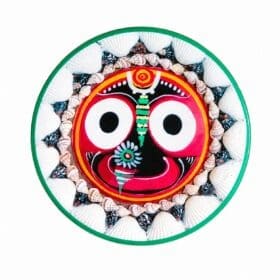
The Divine Water Sports: The Ongoing Jalakrida While the households are immersed in the rigors of the Sabitri Vrat, the atmosphere at the Shri Jagannath Temple in Puri takes on a deeply soothing, aquatic ambiance. The month of Jyestha brings with it the most unforgiving, scorching temperatures of the Indian summer. In the deeply emotional, humanized culture of Shri Jagannath, if the devotees are feeling the heat, the Lord is feeling it too. To provide absolute comfort, the magnificent Jalakrida (water sports) rituals are continuously performed. The representative deities, primarily Lord Madanmohan, are brought out in grand processions to a specially prepared, sacred water tank. The deities are lavishly coated in a thick, highly aromatic, and intensely cooling paste made entirely of pure sandalwood, camphor, and saffron. They are dressed in light, breathable fabrics and adorned with intricate garlands of fragrant summer flowers. Gently placed upon elaborately decorated swan-shaped boats, the deities are rowed in mesmerizing, rhythmic circles, splashing in the cool waters. This ritual is a breathtaking display of divine relaxation. It is a profound reminder that the Lord, while omnipotent and supreme, happily accepts the loving, parental care of His devotees, finding sheer joy in the simple, cooling relief of water sports.
Bridging Home Temple Devotion with Puri’s Traditions The intersection of Sabitri Amabasya and Jalakrida highlights the absolute necessity of maintaining a vibrant, active spiritual space within the household. Modern home temple planning allows families to seamlessly mirror the grand traditions of Puri right in their own living spaces. On this specific day, as women set up the Sabitri offerings in their home temples, they can also incorporate the cooling elements of the Jalakrida. Offering a small, silver or brass bowl of pure, camphor-scented water and fresh sandalwood paste to the household deities perfectly synchronizes the home environment with the temple’s grand rituals. Consistently executing these daily updates and seasonal offerings establishes a profound, unbreakable rhythm within the household. It elevates the home from a mere physical dwelling into a potent, spiritually charged sanctuary where the protective grace of Goddess Savitri and the soothing, peaceful energy of Lord Jagannath’s water pastimes coexist beautifully, shielding the family from the intense anxieties of the modern world.
Staying Connected Through the Digital Sanctuary As the pace of contemporary life constantly accelerates, keeping track of these layered, deeply significant spiritual observances can be incredibly challenging. Whether you are a devoted wife navigating the intense strictures of the Sabitri fast in a bustling metropolitan city, or a devotee yearning to witness the cooling Jalakrida rituals in Puri, distance and time constraints often pose significant hurdles. However, the true essence of devotion effortlessly transcends physical boundaries through the power of digital platforms. By utilizing a dedicated, comprehensive spiritual tool like the justkalinga app, devotees can instantly access the sacred Sabitri Vrata Katha in audio and text formats, ensuring the household rituals are performed flawlessly. Simultaneously, the platform provides direct, real-time access to the breathtaking Jalakrida updates from Puri. This constant, reliable digital connection ensures that your faith remains completely uninterrupted. It effectively brings the protective power of the ancient vows and the divine, cooling grace of the Lord directly to your fingertips, fortifying your mind and spirit as the entire community joyously prepares for the colossal, upcoming spectacle of Rath Yatra 2026.
For another sacred summer water observance in Puri, explore Malamasa Suklapaksha Jalakrida.