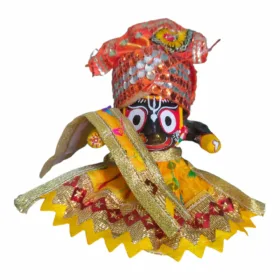
Rukmini Amabasya

Apr

Rukmini Amabasya
Rukmini Amabasya in Jagannath Tradition
Rukmini Amabasya is observed with deep reverence, associated with Devi Rukmini, the divine consort of Lord Jagannath (Krishna). Devotees perform Amavasya rituals, offer prayers for marital harmony and prosperity, and engage in sacred temple traditions that strengthen spiritual connection.
Rukmini Amabasya places Devi Rukmini at the center of devotional reflection. In the Jagannath tradition, Rukmini is remembered through her relationship with Krishna and through the qualities of loyalty, partnership and sacred commitment. Rukmini Amabasya therefore offers devotees a way to reflect on harmony not as a passive wish, but as something supported by prayer, responsibility and mutual care.
The Amabasya setting gives the observance a quieter spiritual mood. Rukmini Amabasya can be approached through prayer, remembrance and simple devotional discipline, allowing the day to become a pause for inner steadiness. The festival’s emphasis on prosperity also gains a deeper meaning when prosperity is understood together with harmony, gratitude and responsible family life.
For Jagannath devotees, Rukmini Amabasya also demonstrates how the temple calendar connects large public festivals with intimate devotional themes. The same tradition that celebrates grand journeys and royal Besha also creates space for remembrance of divine relationship, household well-being and the spiritual values carried through everyday life.
To explore another Rukmini-centered observance in the Puri festival cycle, read about Rukmini Vivah Mahotsava & Jalakrida.
The new-moon setting also encourages a quieter kind of observance. Devotees may use the day to reflect on the quality of their relationships, the steadiness of their daily spiritual practice and the responsibilities that support family life. Prosperity in this setting is not reduced to material gain; it can also be understood as balance, trust, gratitude and the ability to care for others with patience.
Within a living temple calendar, such observances create rhythm. Some days are marked by movement, procession or elaborate adornment, while others invite inward attention. This balance helps devotees see spiritual life as both public and personal. A sacred calendar becomes meaningful when its themes are carried into conduct, prayer and daily choices.
The observance therefore offers a simple devotional lesson: harmony grows through repeated acts of care. Prayer can support that intention, but so can respectful speech, dependable service and gratitude for the relationships that sustain everyday life.