Durga Madhaba Bahara Bije

Apr

Durga Madhaba Bahara Bije
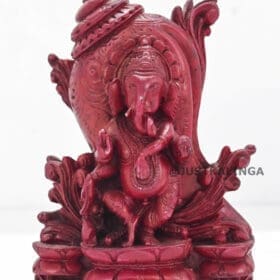
Durga Madhaba expresses the sacred unity of Shakti and Vishnu within Jagannath culture. Durga Madhaba is remembered through ritual movement, protection and shared divine presence in Puri.
Durga Madhaba Bahara Bije in Puri
Durga Madhaba worship is a distinctive expression of the unity of Śakti and Viṣṇu within Jagannātha culture. The title Bahara Bije indicates ceremonial movement outward, allowing the divine pair to be encountered through procession and place as well as shrine. The observance is a particularly vivid reminder that Śrīkṣetra cannot be understood through a narrow sectarian lens.
Durga Madhaba is one of the clearest symbolic unions of Śakti and Viṣṇu in Odisha. Durga is dynamic protective power; Madhaba is Viṣṇu-Kṛṣṇa. Their ceremonial movement together resists the habit of dividing religious traditions into rigid compartments. Śrīkṣetra instead presents a relational sacred world in which Goddess and Lord can share one ritual horizon.
The autumnal Goddess observances reveal the strong Śākta dimension of Śrīkṣetra. Jagannātha culture cannot be reduced to a narrow sectarian category because the sacred life of Puri includes Durga, Vimala, Lakṣmī and other forms of Divine Power within the same ritual ecology. Śakti represents the capacity through which divine intention becomes manifest, protective and transformative. The fierce iconography of the Goddess is therefore not opposed to compassion; it expresses compassion’s refusal to allow destructive forces unlimited freedom. Saptamī, Aṣṭamī, Navamī and Daśaharā create a progressive movement from invocation and intensification to victory. The inner teaching is that spiritual life requires both tenderness and strength. Disorder is not healed only by passive acceptance; sometimes it must be confronted, disciplined and transformed. The Goddess cycle gives sacred form to that power of restoration.
Bije signifies ceremonial movement of a deity or representative image. It reveals a crucial feature of Śrīkṣetra: sacred presence is not imprisoned inside one architectural centre. A Bije links the principal temple with maṭhas, āśramas, subsidiary shrines, neighbourhoods, gardens, tanks or the sea, depending on the observance. The route is therefore theological geography. When a deity moves, relationships between places become visible and the city is experienced as a sacred field rather than as ordinary urban space surrounding a shrine. Procession also changes the relationship between deity and community. The Divine crosses thresholds and enters shared space, while sevakas, sound, offerings and local institutions participate in a moving network of service. The hidden meaning of Bije is extension: grace radiates from the centre and returns, binding multiple sacred nodes into one living body.
Royal imagery in Śrī Mandira reverses ordinary political hierarchy. Jagannātha is Rājādhirāja, the King of kings, so earthly authority is meaningful only when understood as service beneath a higher sovereignty. Royal beshas, ceremonial commands and abhiṣeka imagery do not merely glorify power; they relativise it. Crown, weapon, throne and procession point beyond human rulers toward divine order. The hidden teaching is responsibility. True sovereignty protects, nourishes and upholds dharma rather than demanding worship for itself. This principle has shaped the historical relationship between the Gajapati king and Jagannātha, where royal dignity is repeatedly expressed through acts of sevā. Majesty and humility thus meet in the same ritual language.
The Goddess is often shown with weapons because Śakti is the capacity to act against what destroys balance. Her fierceness is therefore not cruelty. It is protective intelligence made active. Autumnal worship moves through increasingly intense tithis before Vijayadaśamī, creating a ritual grammar of awakening, confrontation and restoration. In Śrīkṣetra this Śākta language belongs inside Jagannātha’s sacred environment rather than outside it. The presence of Goddess traditions reveals a theology in which preservation requires energy, courage and discernment. Compassion sometimes shelters; at other moments it must cut through forces that prevent life and dharma from flourishing.
Every Bije joins a point of departure, a route and a destination. These are not incidental logistics. They reveal relationships between sacred institutions and places. A temple, āśrama, sea-shore, garden or subsidiary shrine becomes part of one ritual network because divine movement connects them. Sound, carriers, sevakas and offerings give the movement a ceremonial body. Theologically, Bije prevents sacred geography from becoming static. Holiness moves through streets and thresholds; central and peripheral spaces answer one another. The return journey is equally meaningful because movement completes a circuit rather than simply leaving the sanctum behind.
Jagannātha’s royal imagery places earthly sovereignty beneath divine sovereignty. The Lord can be dressed as Rājādhirāja, honoured through ceremonial authority and connected with royal rites, yet the theological centre remains clear: the true ruler is Mahāprabhu. Human kingship, administration and power gain legitimacy only when they serve dharma. Odisha’s history of the Gajapati as first servant dramatically expresses this inversion. Royal symbols therefore need not celebrate domination. In Jagannātha culture they can remind power of its limits. The highest crown belongs to the One who cannot be possessed, and the dignity of the human ruler lies in sevā.
Jagannātha tradition repeatedly teaches through embodied signs: movement gives theology a route, food gives gratitude a taste, adornment gives scripture a visible form, and lunar or solar timing gives remembrance a place in the cosmos. In Durga Madhaba Bahara Bije, these signs do not function as decoration around belief; they are the way belief is enacted. The sacred meaning therefore rests in disciplined relationship—between the Deity and sevaka, memory and performance, inherited form and living devotion. What appears outwardly as a festival becomes inwardly a training in attention: to recognise dependence, honour order, restrain ego and receive divine presence through the concrete language of ritual.
The inherited name itself is part of the ritual archive. It compresses deity, action, tithi or sacred mood into a form that can be remembered and transmitted across generations, showing how sacred vocabulary carries knowledge even when the complete ceremonial sequence is not written out.
Durga Madhaba Bahara Bije makes theological unity visible through movement. Durga and Madhaba are not confined to separate religious worlds; their ceremonial relationship belongs to the sacred geography of Śrīkṣetra. ‘Bahara Bije’ carries divine presence outward, allowing streets and linked shrines to participate in worship. The deeper meaning is relational rather than sectarian. Śakti and Viṣṇu are encountered through distinct forms yet within one ritual cosmos. The procession teaches that unity does not require erasing difference; sacred identities can remain distinct while moving in mutual recognition and ordered relationship.
Durga Madhaba brings together the dynamic protective power of Durga and the Vaishnava identity of Madhaba. In Durga Madhaba worship, sectarian boundaries soften because Goddess and Lord share one ritual horizon. The ceremonial Bahara Bije of Durga Madhaba also gives this unity a visible, moving form beyond the inner shrine. For devotees, Durga Madhaba therefore becomes a powerful symbol of integration, protection and sacred relationship. Remembering Durga Madhaba within the autumn festival cycle reveals how naturally Shakta and Vaishnava traditions meet in Shreekshetra.
For another autumn Goddess observance, explore Maha Saptami.