











All Besha Of Shri Jagannath Mahaprabhu
The Sacred Tahia of Jagannath

Jan
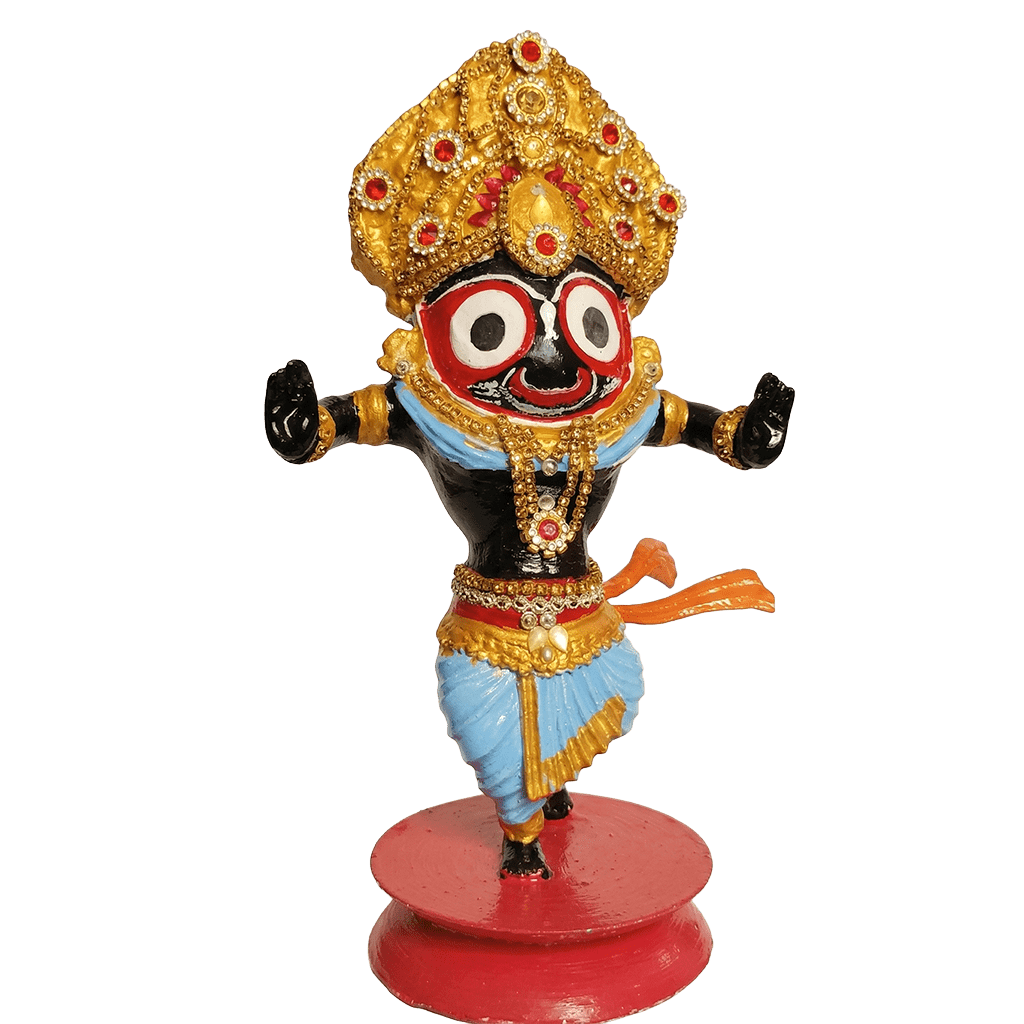
Jagannath Tahia, the magnificent crown of Mahaprabhu Shree Jagannath, is more than just a decorative element. Its captivating movement during the Pahandi ceremony of Rath Yatra evokes a profound spiritual connection in devotees. As the three sibling deities emerge from their abode, the swaying Tahia, visible even from afar, signifies the Mahaprabhu’s divine presence. In a touching display of devotion, devotees eagerly seek a piece of the Tahia as a blessed souvenir, causing the crown, meticulously crafted over months, to be fragmented in minutes.
Jagannath Tahia and Devotion
This act of dismantling the Tahia, though seemingly destructive, is a testament to the overwhelming love and devotion for Mahaprabhu. Those who witness the Jagannath Tahia swing and feel a connection with the divine often report experiencing a similar internal vibration, a sense of unity with the Mahaprabhu. The maker of the Tahia, a Sevayat from a lineage entrusted with decorating the Trinity, understands this deeply. He finds solace in the outpouring of devotion, even as his painstaking work disappears into fragments.
Crafting the Tahias is a sacred duty. The Sevayat begins the process on Akshay Tritiya, months before Rath Yatra, creating three Tahias for each deity, with variations in size for Rath Yatra and Bahuda Yatra. Smaller Tahias are used during Rath Yatra to facilitate the deities’ exit from the narrower entrance of Srimandir, while larger ones adorn them during Bahuda. Its changing scale reflects the practical needs of movement while preserving the ceremonial beauty of the ornament. The Jagannath Tahia, therefore, is not merely an ornament but a symbol of devotion, unity, and the powerful connection between Mahaprabhu Jagannath and his devotees.