All Besha Of Shri Jagannath Mahaprabhu
Celebrating Gajanana Besa of Jagannath

Apr
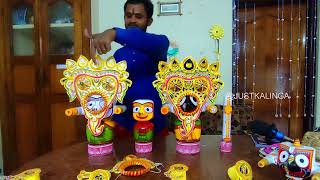
This post illuminates the spiritual significance of Gajanana Besa, a unique form of Shri Jagannath Mahaprabhu adorned during the sacred Snana Purnima festival. On this auspicious day, after a ritual bath with 108 pitchers of holy water, Jagannath is depicted as Lord Ganesha, fulfilling the heartfelt desire of a devout follower, Ganapati Bhata.
Gajanana Besa on Snana Purnima
Gajanana Besa is remembered for the devotion of Ganapati Bhata and for Mahaprabhu’s compassionate response to a devotee’s heartfelt longing. The form expresses a devotional idea already reflected throughout this article: Shri Jagannath can bless devotees through different forms while devotion remains central. For devotees, this Besha becomes a reminder of divine grace, inclusiveness, and the intimate relationship between the Lord and the bhakta.
The legend of Ganapati Bhata, a staunch devotee of Ganesha, is central to this tradition. Initially disappointed at not seeing Jagannath in his beloved Ganesha form, Ganapati Bhata was blessed with a divine vision of Jagannath as Gajanana, thanks to the Lord’s boundless compassion. Overwhelmed, he requested that this form be celebrated every Snana Purnima, a tradition that endures to this day.
Gajanana Besa beautifully symbolizes Jagannath’s ability to manifest in various forms to bless his devotees. The Gajanana Rupa, characterized by its elephant features and a harmonious blend of white and black, represents the unity of diverse spiritual paths and the all-encompassing nature of the divine.
This post invites readers to participate in this sacred tradition by bringing home the divine presence of Shri Jagannath in the Gajanana Rupa. Celebrate Snana Purnima with devotion and experience the blessings of this unique form of the Lord. Embrace the spirit of unity and devotion that Gajanana Besa represents.