
-
×
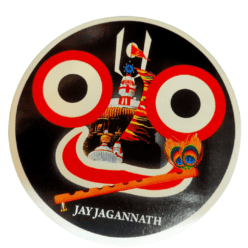 Car sticker
₹ 239.00
Car sticker
₹ 239.00 -
×
 "Shri Jagannath Puran Kritan" Audio One to Three Adhhaya(Part)
₹ 599.00
"Shri Jagannath Puran Kritan" Audio One to Three Adhhaya(Part)
₹ 599.00 -
×
Netrostav Mantras of Shri Chaturtha (PDF Files)
₹ 36.00
-
×
Mahabesh Book Album PDF
₹ 698.00
-
×
Shri Jagannath dham's Mrudanga
₹ 7,599.00
-
×
Shri Jagannath Pujan Padhati for home PDF File
₹ 374.00
-
×
Dhanwani sankha(Blowing Sankha)
₹ 5,622.00
-
×
Panchamukhi Sankha
₹ 5,312.00
-
×
Ancient Tribal Art
₹ 3,375.00
-
×
Sankha
₹ 18,250.00
-
×
Ratha Yatra Ritual Guided Mantra Audio
₹ 936.00
-
×
Nilachakra with Stand
₹ 4,219.00
-
×
Ancient Tribal Art
₹ 2,125.00
-
×
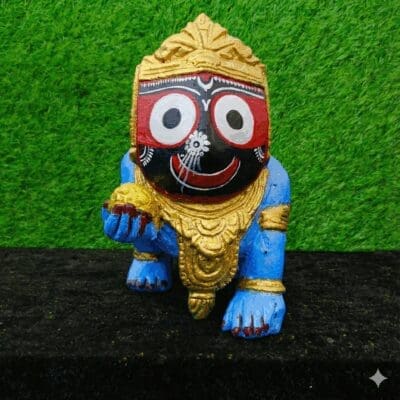
Baby Jagannath Mahaprabhu
₹ 4,301.00
-
×
Shri Sankha Flag From Shrikhetra Dham
₹ 387.00
-
×
Jagannath chaturbhuja Illustrator
₹ 124.00
-
×
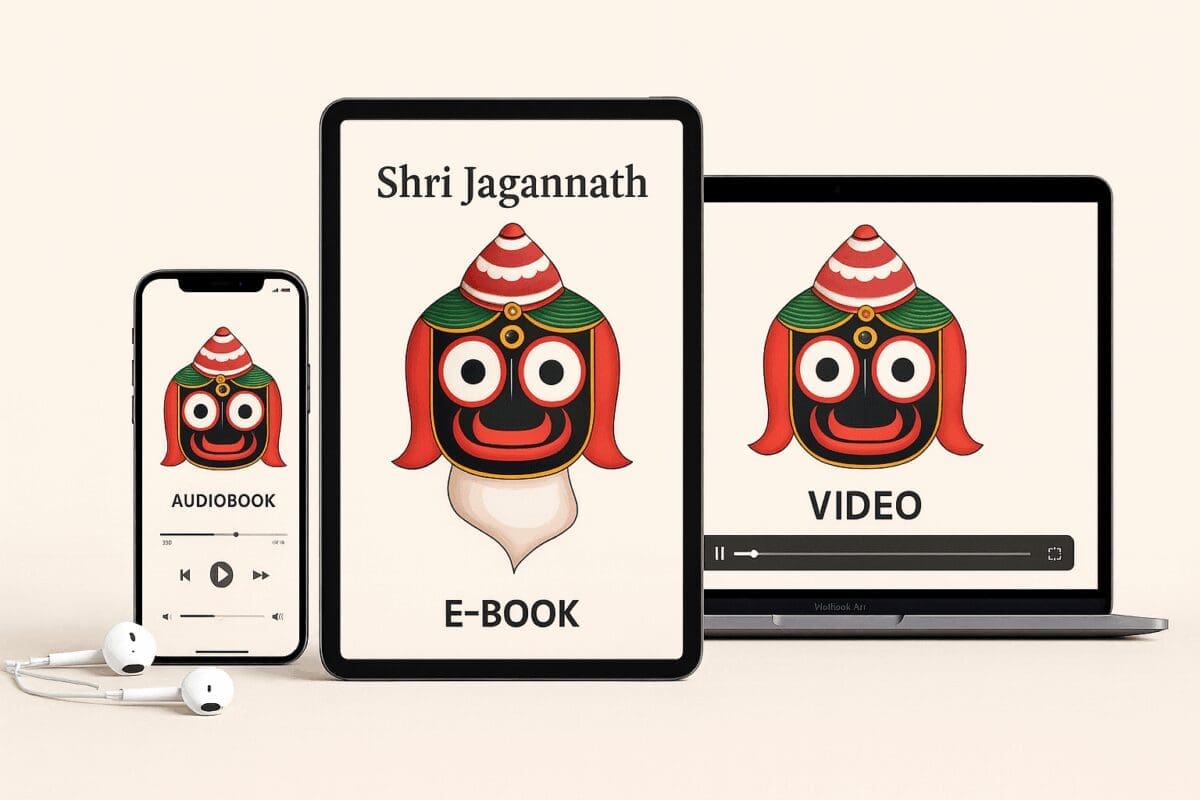
PranaPatistha Process of shri jagannath mahaprabhu (video/Audio)
₹ 999.00
 "Shri Jagannath Puran Kritan" Audio One to Three Adhhaya(Part)
  Netrostav Mantras of Shri Chaturtha (PDF Files)
  Mahabesh Book Album PDF
 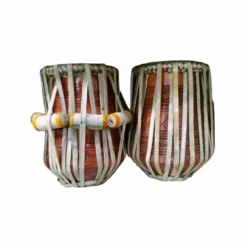 Shri Jagannath dham's Mrudanga
  Shri Jagannath Pujan Padhati for home PDF File
  Dhanwani sankha(Blowing Sankha)
  Panchamukhi Sankha
 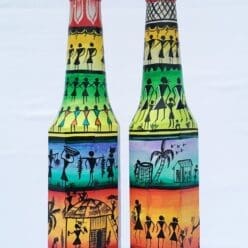 Ancient Tribal Art
 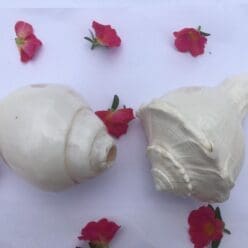 Sankha
  Ratha Yatra Ritual Guided Mantra Audio
 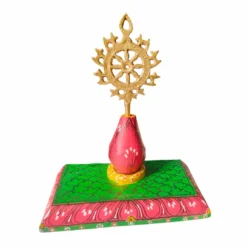 Nilachakra with Stand
 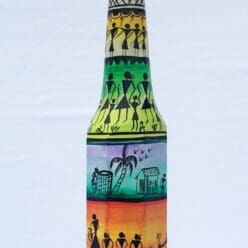 Ancient Tribal Art
 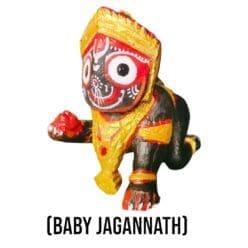 Baby Jagannath Mahaprabhu
  Shri Sankha Flag From Shrikhetra Dham
  Jagannath chaturbhuja Illustrator
  PranaPatistha Process of shri jagannath mahaprabhu (video/Audio)
 You may be interested in…
-
Add
This product has multiple variants. The options may be chosen on the product page
Shri Jagannath grace Blazer
From ₹ 6,159.00
-
Add
This product has multiple variants. The options may be chosen on the product page
Grace Shawl for Pooja/fastival moments and Temple Visit
From ₹ 675.00
-
Add
This product has multiple variants. The options may be chosen on the product page
Kamarpati ( 3 parts )
From ₹ 679.00
-
Add
This product has multiple variants. The options may be chosen on the product page
Stand For Sankha
From ₹ 325.00
-
Add
This product has multiple variants. The options may be chosen on the product page
Salucloth : Aspisious Temporary Asan Cloth For Your Pooja
From ₹ 179.00