
-
×
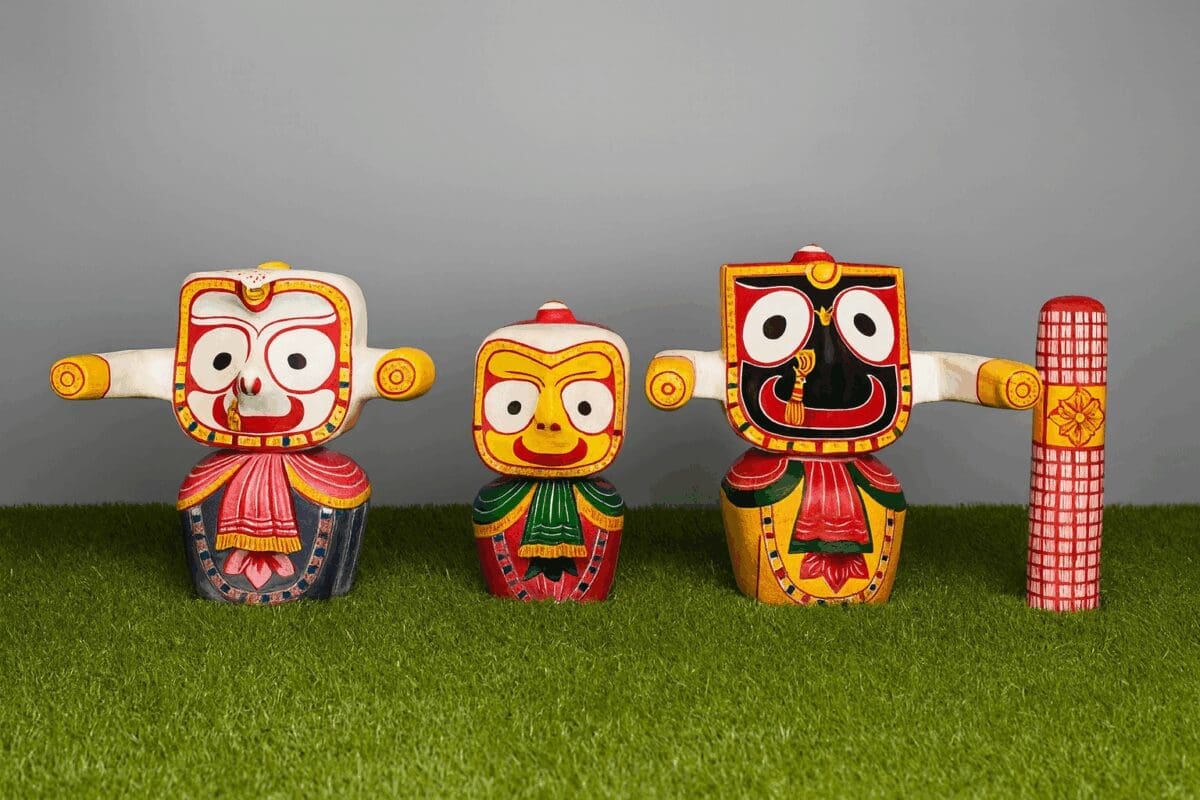
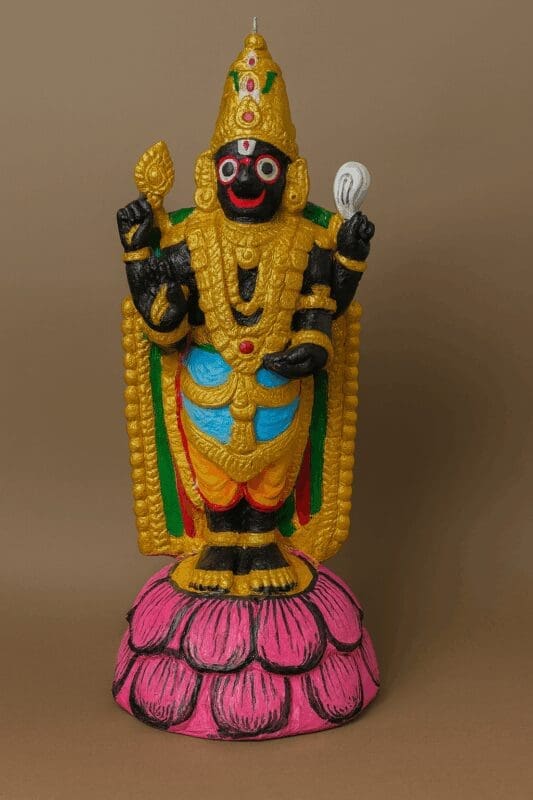
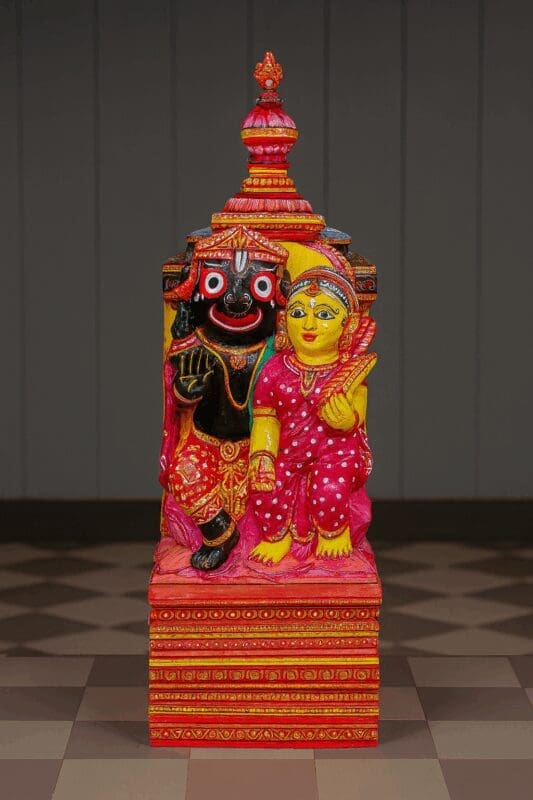
 Senapata Lagi murti
₹ 1,659.00
Senapata Lagi murti
₹ 1,659.00 -
×
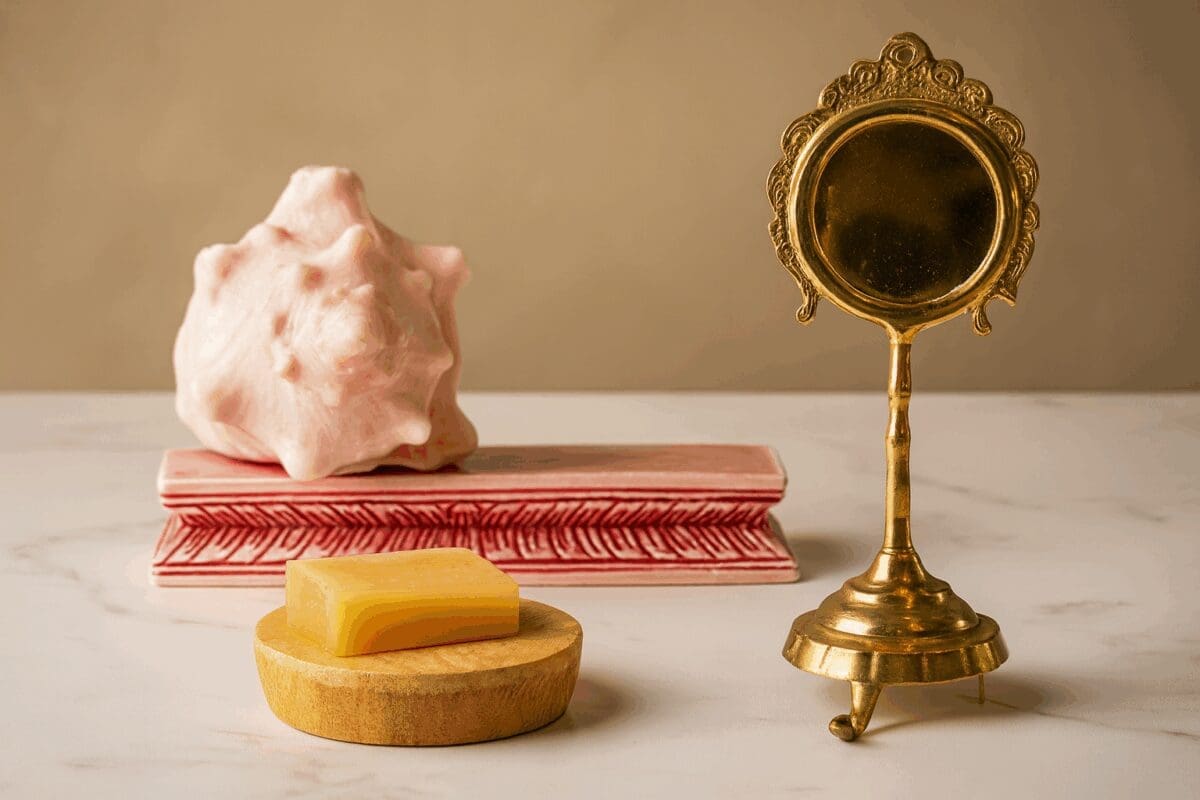
 Aguru : The natural Perfume for Mahaprabhu
₹ 11,186.00
Aguru : The natural Perfume for Mahaprabhu
₹ 11,186.00 -
×
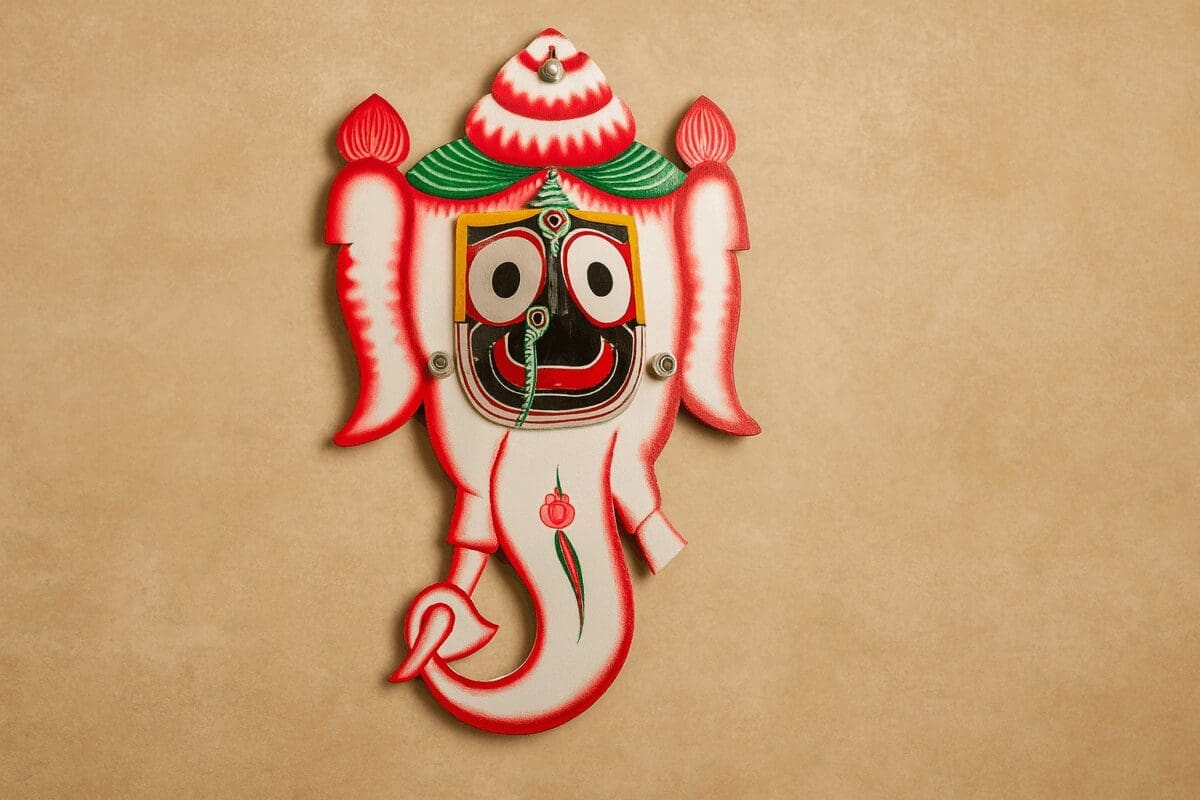
Beutiful shri jagannath Mahaprabhu Car/wall hanging
₹ 500.00
-
×
Panchatrirth Water
₹ 500.00
-
×
Padmanav Rupam (Anant sayan)
₹ 12,439.00
-
×
Shri Jagannath's photo frame with ratna singhashan
₹ 1,239.00
-
×
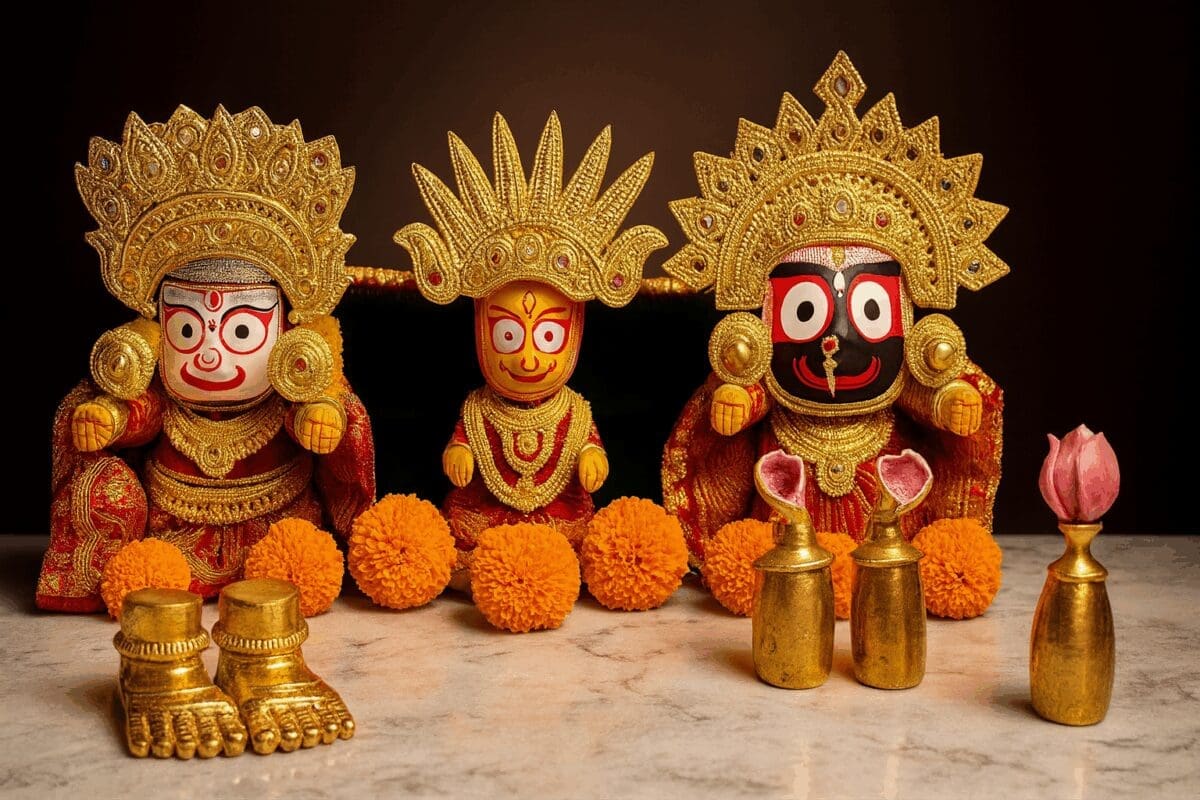
Ghantua, kahalia, Sankhua
₹ 19,198.00
-
×
Locket
₹ 1,758.00
-
×
Wooden Patitapawan temple
₹ 1,518.00
-
×
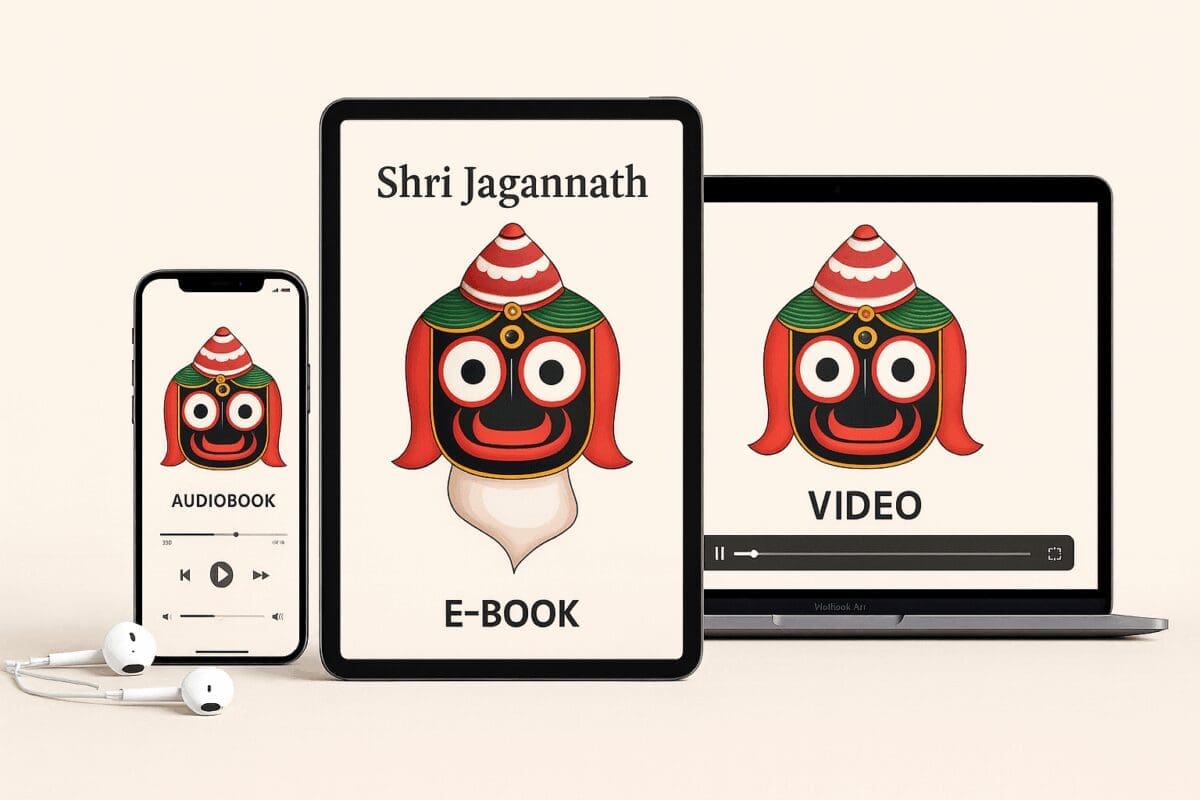
Nitya Patham of Shri Jagannath Mahaprabhu (SANKRIT)- E-book
₹ 249.00
-
×
Mohan Rupam
₹ 3,495.00
-
×
Dhyana Yantra
₹ 26,247.00
-
×
Divine Flute for shri Jagannath mahaprabhu
₹ 849.00
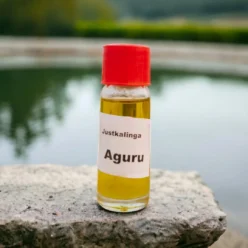 Aguru : The natural Perfume for Mahaprabhu
  Beutiful shri jagannath Mahaprabhu Car/wall hanging
 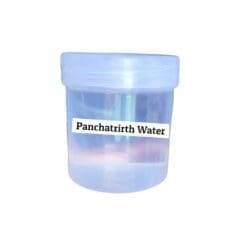 Panchatrirth Water
  Padmanav Rupam (Anant sayan)
  Shri Jagannath's photo frame with ratna singhashan
 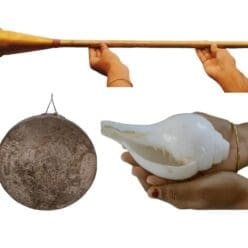 Ghantua, kahalia, Sankhua
  Locket
 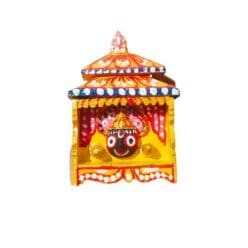 Wooden Patitapawan temple
  Nitya Patham of Shri Jagannath Mahaprabhu (SANKRIT)- E-book
  Mohan Rupam
  Dhyana Yantra
 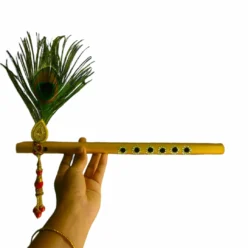 Divine Flute for shri Jagannath mahaprabhu
 You may be interested in…
-
Add
Badge
Original price was: ₹ 2,599.00.₹ 2,045.00Current price is: ₹ 2,045.00.
-
Add
This product has multiple variants. The options may be chosen on the product page
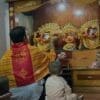
Grace Shawl for Pooja/fastival moments and Temple Visit
From ₹ 675.00
-
Add
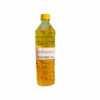
Castor Oil For Your Pooja
Original price was: ₹ 599.00.₹ 439.00Current price is: ₹ 439.00.
-
Add
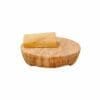
Chandan lagi seva(sandal wood)
Original price was: ₹ 2,599.00.₹ 2,356.00Current price is: ₹ 2,356.00.
-
Add
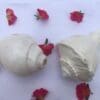
Sankha
Original price was: ₹ 10,999.92.₹ 9,125.00Current price is: ₹ 9,125.00.