

-
×
 Niladrinath Gift Hamper
₹ 8,899.00
Niladrinath Gift Hamper
₹ 8,899.00
Articles
The Dadhivamana Tradition of Odisha

31
Jul
Jul
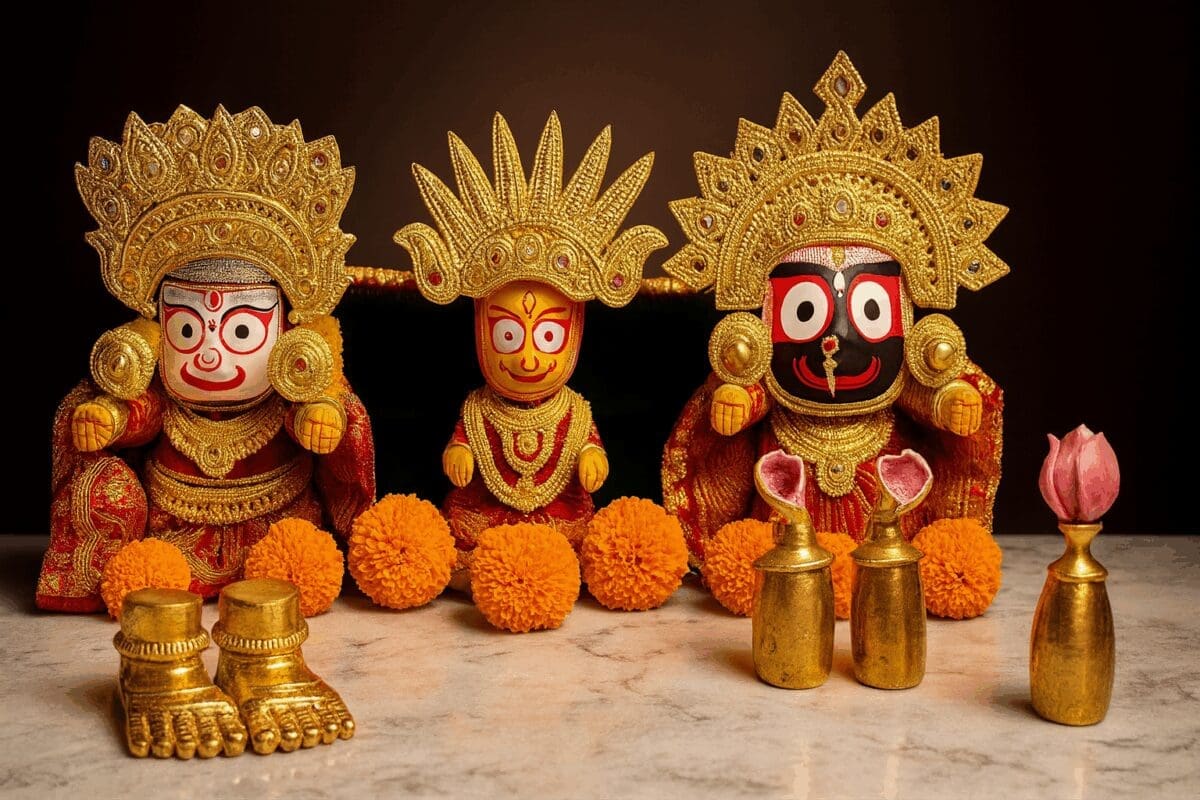
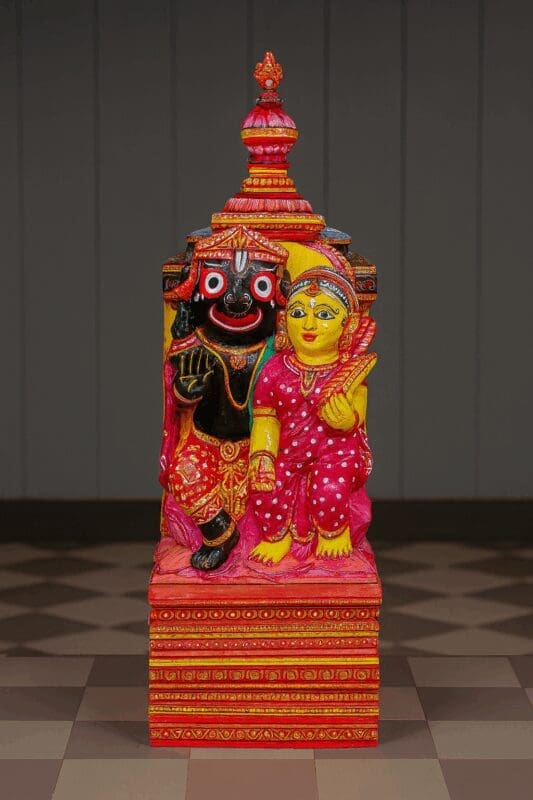
As you travel through the heartlands of Odisha, you might notice something curious. You will come across many village temples named “Dadhivamana Temple.” Yet, when you look inside, you are greeted by the familiar, loving faces of Lord Jagannath, Lord Balabhadra, and Devi Subhadra.
This raises a beautiful question: Who is Dadhivamana, and why is He so beloved that countless temples are dedicated to Him? The answer reveals a unique and endearing aspect of Jagannath culture.
The Lord on the Chariot is Vamana
The journey to understanding Dadhivamana begins at the Rath Yatra. There is a famous saying every devotee knows:
“Rathe tu Vāmanaṃ dṛṣṭvā punarjanma na vidyate” (Seeing Vamana on the chariot, there is no rebirth.)
This means that during the grand chariot festival, Mahaprabhu Sri Jagannath is worshipped in the form of his fifth incarnation, the Vamana Avatar. He is the compassionate dwarf Brahmin who, with three giant steps, humbled the mighty King Bali and reclaimed the three worlds.
How Vamana Became ‘Dadhivamana’
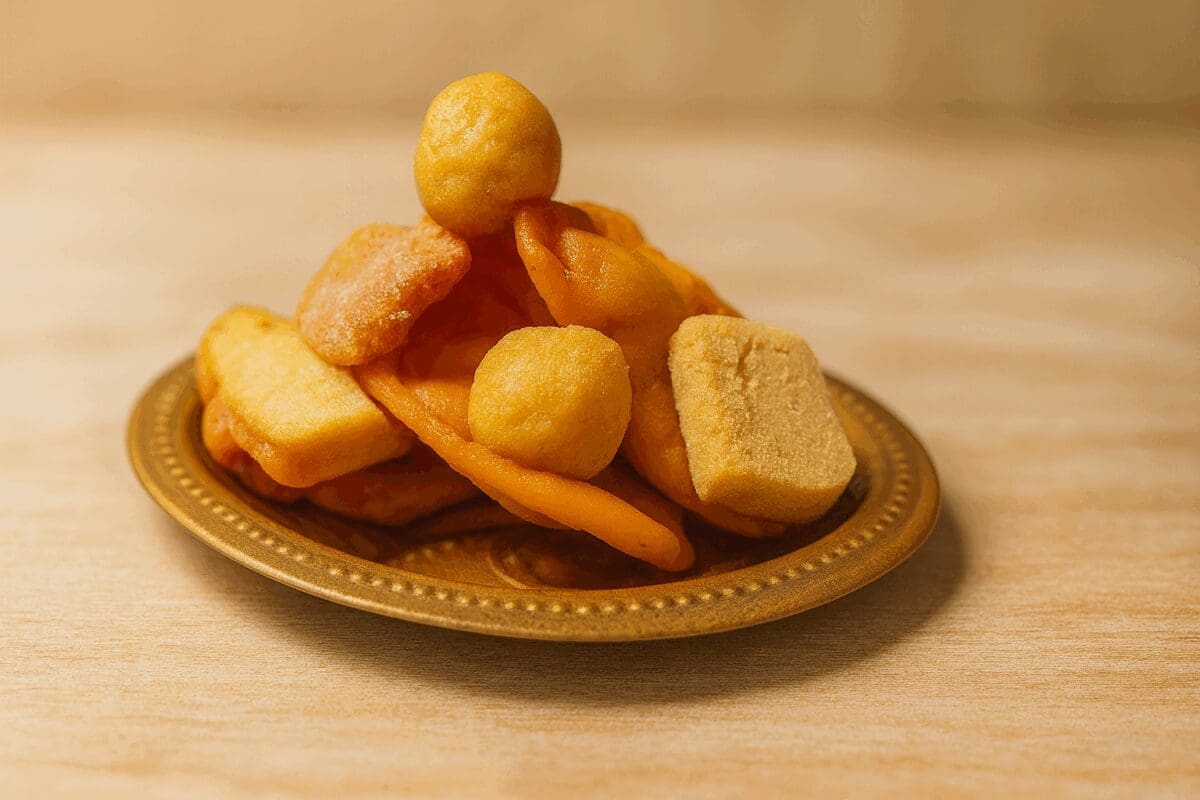
So, where does the “Dadhi” come from? “Dadhi” is the Sanskrit word for curd or yogurt. The name “Dadhivamana” literally means “the Vamana who holds curd.” This affectionate name comes from two key sources:
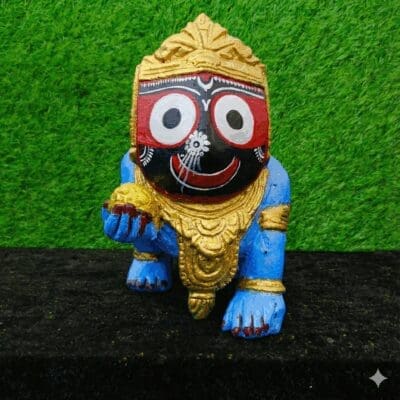
- Puranic Descriptions: The Vamana Purana and other scriptures describe Lord Vamana as holding a golden vessel filled with delicious, soft pieces of curd.
- Temple Rituals: During the Vamana Janma (Vamana’s birthday) festival in the Srimandir, there is a special ritual where Lord Vamana is depicted begging for curd from Goddess Durga.
This intimate association with a simple, beloved food like curd transformed the mighty Vamana into the endearing Dadhivamana.
(Image Recommendation: An artistic Pattachitra or illustration depicting the child Vamana holding a pot of curd.)
A Beloved Form Across Odisha
This sweet and approachable form of the Lord of the Universe captured the hearts of the Odia people. The tradition is so old that the 15th-century poet Sarala Das mentions women performing rituals in the name of Dadhivamana in his Odia Mahabharata.
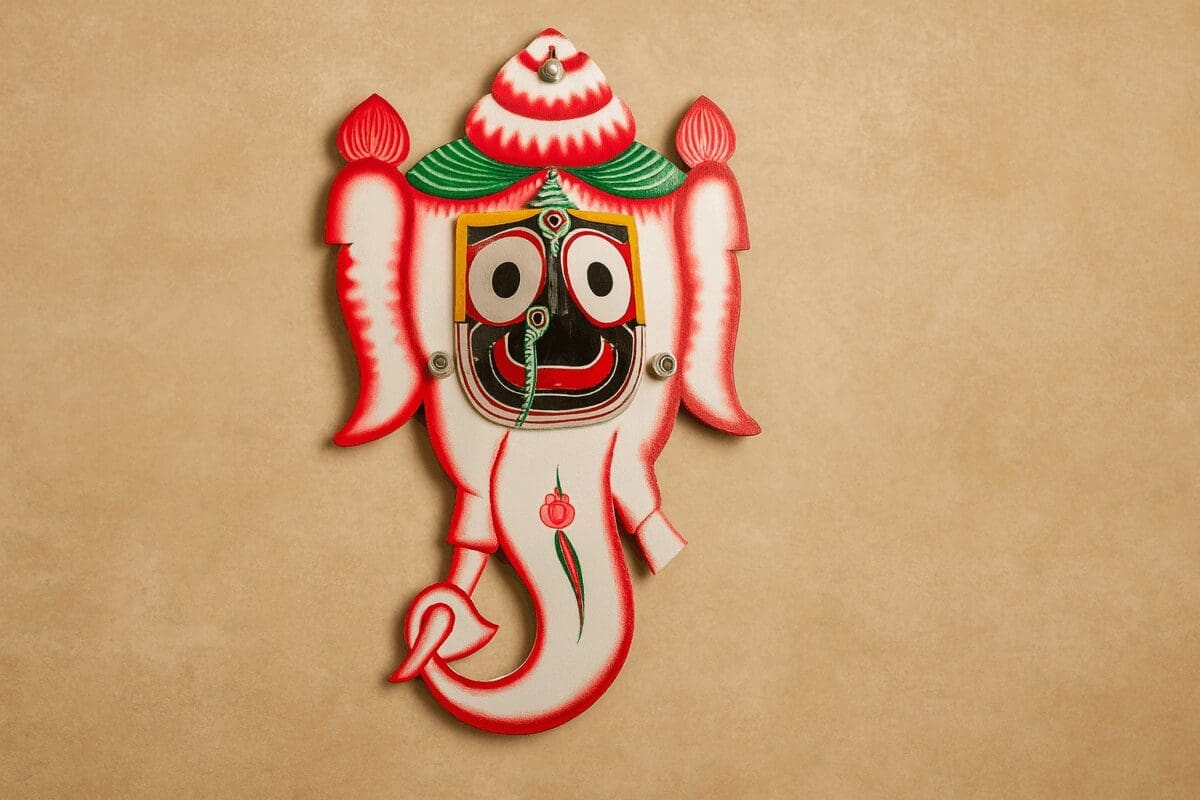
As devotion to this form grew, people began dedicating their local temples to Him. Instead of creating a new idol, they worshipped their existing Jagannath deities as Dadhivamana, seeing the great Lord in this special, loving form. That is why today, the “Dadhivamana Temple” is a cherished part of countless villages across Odisha.
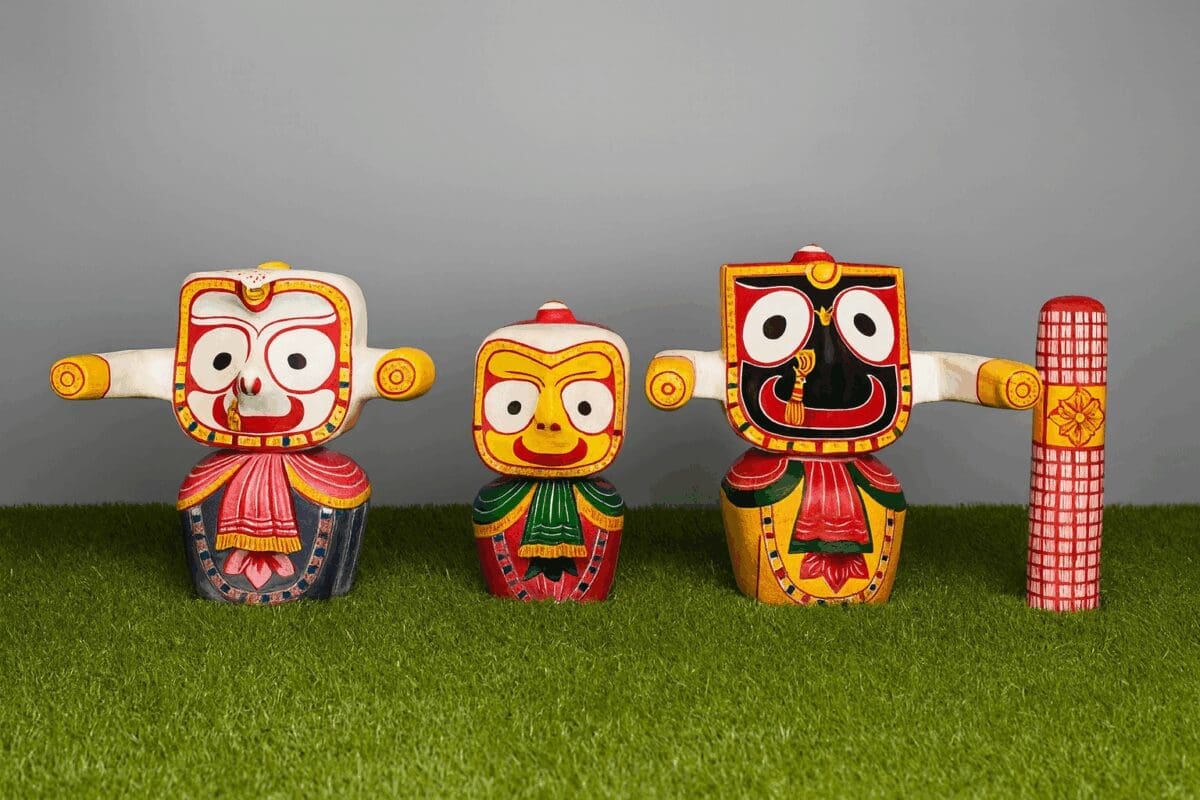
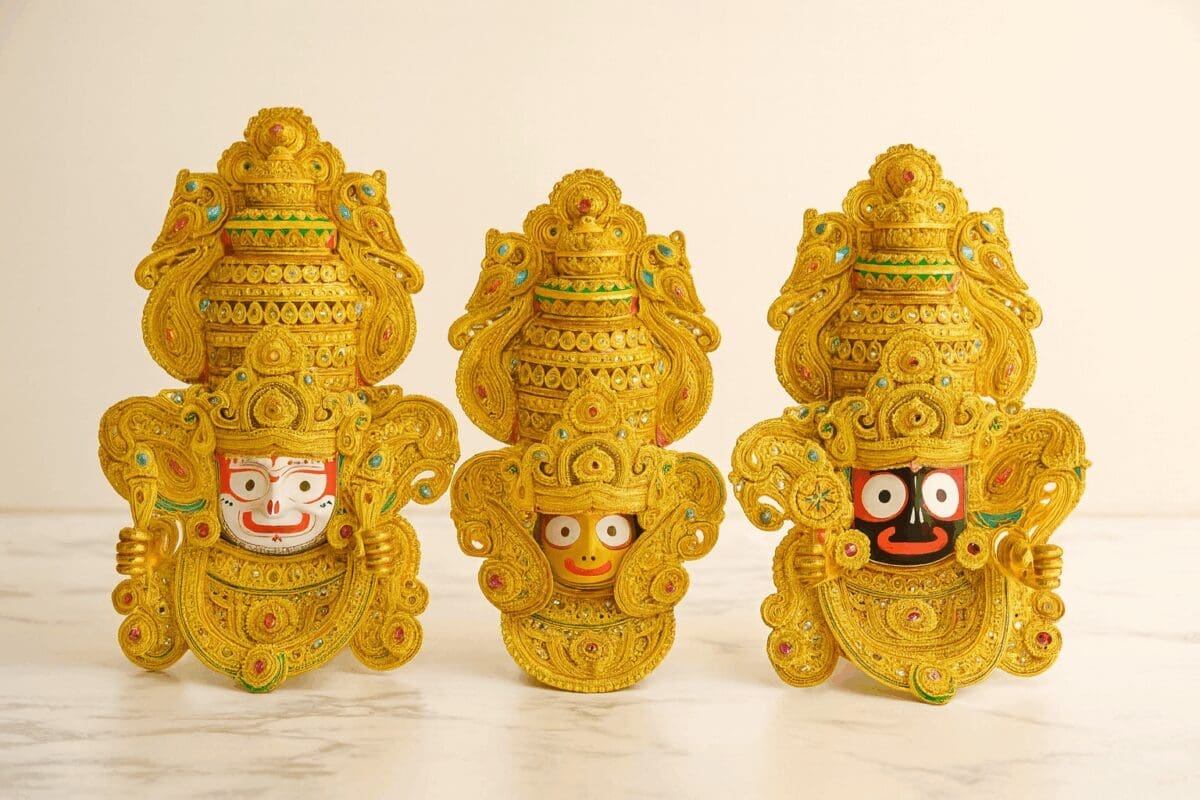
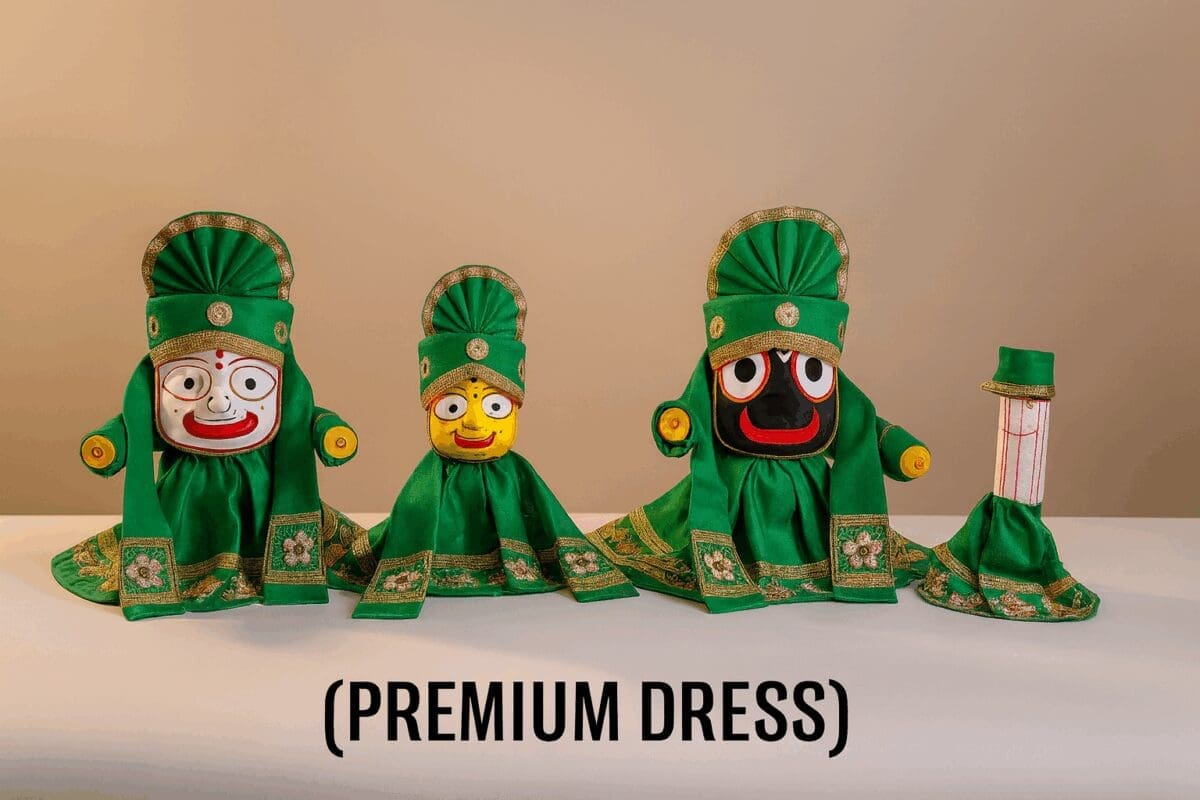
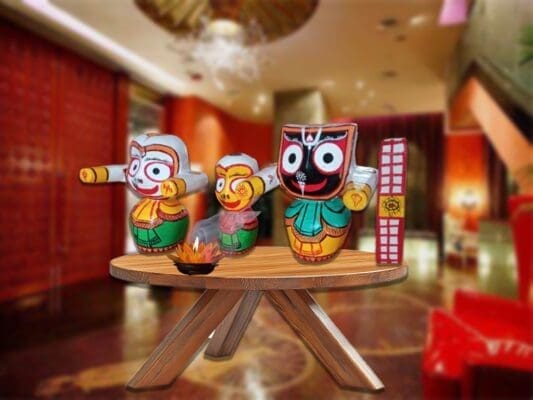
This tradition of seeing the great Lord Jagannath in the endearing form of Dadhivamana is a unique aspect of Odia devotion. For families who wish to continue this beloved tradition in their own homes, worshipping a Dadhivamana Jagannath idol set can be a beautiful way to connect with this special form of the Lord.
The Dadhivamana tradition shows the beautiful, personal relationship between the people of Odisha and their God—a Lord who is not just the master of the universe, but also an adorable, curd-loving deity.
Jai Jagannath! Jai Dadhivamana!