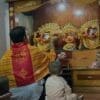
The Shri Jagannath Temple in Puri is not just a structure; it’s a living, breathing entity sustained by the devotion and dedicated service of its sevayats (servitors). These individuals, representing over 120 different types of services, play an essential role in the daily rituals and upkeep of the temple. Let’s explore the fascinating world of the sevayats and their indispensable contribution to the divine abode.
The Evolution of Service at Shri Mandir
Before the arrival of Shri Shankaracharya, the Daita and Pati families were the primary servitors. Shankaracharya’s reforms expanded this to six niyogas (service categories). Over time, the system continued to evolve. During the reign of Ananga Bhima Deva, Veenakars (musicians) and Puran Pandas (scripture readers) were appointed. Under the reign of King Narasimha Deva, Garabadu servitors were appointed. The service categories continued to grow. As of 1955, there were around 250 different niyogas. As of 1988, the Behera Karana Seva became the 120th officially recognized service.
Chhatisa Niyoga: The Thirty-Six Service Categories
The Chhatisa Niyoga (thirty-six service categories) represent the core of the temple’s service system. Each service is a representation of a pataka or sub-service. This is a group of servitors that take care of the various functions in the daily life of the temple. According to the Madala Panji, King Ananga Bhima Deva of the Ganga Dynasty was the first to introduce a service group called “Chhabisha Niyoga”. Later, that became the Chhatisha Niyoga.
The Bamadeva Samhita describes the various sevayats, their roles, and their characteristics. These original servitors include the king, priests, brahmins, the acharaya, the yajnika, Agnisharma, servitors from the Vishwavasu clan, servitors from the Vidyapati clan, and pratiharis (attendants).
The Shri Jagannath Temple in Puri is not just a structure; it’s a living, breathing entity sustained by the devotion and dedicated service of its sevayats (servitors). These individuals, representing over 120 different types of services, play an essential role in the daily rituals and upkeep of the temple. Let’s explore the fascinating world of the sevayats and their indispensable contribution to the divine abode.
The Evolution of Service at Shri Mandir
Before the arrival of Shri Shankaracharya, the Daita and Pati families were the primary servitors. Shankaracharya’s reforms expanded this to six niyogas (service categories). Over time, the system continued to evolve. During the reign of Ananga Bhima Deva, Veenakars (musicians) and Puran Pandas (scripture readers) were appointed. Under the reign of King Narasimha Deva, Garabadu servitors were appointed. The service categories continued to grow. As of 1955, there were around 250 different niyogas. As of 1988, the Behera Karana Seva became the 120th officially recognized service.
Chhatisa Niyoga: The Thirty-Six Service Categories
The Chhatisa Niyoga (thirty-six service categories) represent the core of the temple’s service system. Each service is a representation of a pataka or sub-service. This is a group of servitors that take care of the various functions in the daily life of the temple. According to the Madala Panji, King Ananga Bhima Deva of the Ganga Dynasty was the first to introduce a service group called “Chhabisha Niyoga”. Later, that became the Chhatisha Niyoga.
The Bamadeva Samhita describes the various sevayats, their roles, and their characteristics. These original servitors include the king, priests, brahmins, the acharaya, the yajnika, Agnisharma, servitors from the Vishwavasu clan, servitors from the Vidyapati clan, and pratiharis (attendants).
The Shri Jagannath Temple in Puri is not just a structure; it’s a living, breathing entity sustained by the devotion and dedicated service of its sevayats (servitors). These individuals, representing over 120 different types of services, play an essential role in the daily rituals and upkeep of the temple. Let’s explore the fascinating world of the sevayats and their indispensable contribution to the divine abode.
The Evolution of Service at Shri Mandir
Before the arrival of Shri Shankaracharya, the Daita and Pati families were the primary servitors. Shankaracharya’s reforms expanded this to six niyogas (service categories). Over time, the system continued to evolve. During the reign of Ananga Bhima Deva, Veenakars (musicians) and Puran Pandas (scripture readers) were appointed. Under the reign of King Narasimha Deva, Garabadu servitors were appointed. The service categories continued to grow. As of 1955, there were around 250 different niyogas. As of 1988, the Behera Karana Seva became the 120th officially recognized service.
Chhatisa Niyoga: The Thirty-Six Service Categories
The Chhatisa Niyoga (thirty-six service categories) represent the core of the temple’s service system. Each service is a representation of a pataka or sub-service. This is a group of servitors that take care of the various functions in the daily life of the temple. According to the Madala Panji, King Ananga Bhima Deva of the Ganga Dynasty was the first to introduce a service group called “Chhabisha Niyoga”. Later, that became the Chhatisha Niyoga.
The Bamadeva Samhita describes the various sevayats, their roles, and their characteristics. These original servitors include the king, priests, brahmins, the acharaya, the yajnika, Agnisharma, servitors from the Vishwavasu clan, servitors from the Vidyapati clan, and pratiharis (attendants).
The Pillers of Devotion

Some of the major categories of Chhatisa Niyoga are:
-
Bhitarachha Mahapatra, Talichha Mahapatra
-
Purohita (Chief Priest)
-
Pujapanda (Priest)
-
Pushpalaka (Flower Servitor)
-
Badu
-
Pati Mahapatra
-
Pratihary (Attendant)
-
Mekapa (Dress Servitor)
-
Suara (Cook)
-
Khuntia (Temple Guard)
-
Muduli (Store Keeper)
-
Daita
-
Datta
-
Karana (Accountant)
-
Hadapa Nayaka (Beetle nut servitor)
-
Ghantuari (Sandalwood preparator)
-
Mahabhoi
-
Pania Pat (Water Servitor)
-
Bajantri (Musician)
-
Gayani (Vocalist)
-
Geeta Gobinda Sebak (Geeta Govinda Singer)
-
Chatara
-
Chakra Dihudi
-
Kumbhara Bishoi (Potter)
-
Suansia
-
Chunara (Lime worker)
-
Jyotisha (Astrologer)
-
Baidya (Ayurvedic Doctor)
-
Sabuta Niyoga
-
Bindhani
-
Tirtha Matia
-
Ojha Maharana (Blacksmith)
-
Chapa Dalei
-
Ashwa Hasti Sebak
-
Maha Sethi
-
Palia Mahar
The temple tradition features both Brahmin (Panda and Suara) and Shudra (Mali and Badu) servitors.
Key Officials and Servitors
-
Gajapati Maharaja: The king performs the Chhera Pahanra ritual during the Rath Yatra.
-
Mudirasta/ Mudiratha: The king’s representative, overseeing the rituals in his absence.
-
Parichha: The administrator, responsible for overseeing temple affairs.
-
Chhatisha Niyoga Nayak/Patta Joshi Mahapatra: The head of the Chhatisa Niyoga.
-
Talichho Mahapatra/Talicha: The representative of the Parichha who is responsible for locking the doors of the temple at night and overseeing the cleanliness of the kitchen.
The 120 Servitors in Detail
Here’s a list of the 120 different types of sevayats, in alphabetical order:
-
Akhanda/Akhandala Mekap (Keepers of eternal lamp), Anasara Sudh Suara, Angarua (Ash remover), Amalu Toli O Pura Kharada, Amunia Chhatra (Carriers of the umbrella during processions), Asthan Padhiari (Chanter during festivals), Ojha Maharana (Temple blacksmith), Karatiya (Wood cutter for the chariots), Kala Bethia (Rath pullers), Kahalia (Horn blower), Kumbhara Bishoi (Potter), Kotha Karan (Record keepers), Kotha Bhog Pania (Water servitor of the kotha bhog), Kotha Bhoga Jogania (Kotha bhoga suppliers), Kotha Suansia, Khata Sheja Mekap, Khatuli Sebaka (Seat providers during rituals), Khadika Suansia (Sweeper of the Jagmohan), Khuntia (Temple guard), Khuri Nayak, Garabadu (Water carrier to the priests), Geeta Govinda Sebaka, Gunabaluia, Gochikara, Ghantua (Bell ringer), Ghotuari (Sandalwood preparator), Chaka Apsara Sebak, Chakra Dihudia (Torchbearer), Charchaita Karan (Overseer of rituals), Chaula Bachha Karan (Rice selector), Chapa Dalei (Chariot decorator), Changada Karan (Keeper of clothing records), Changada Mekap, Chitrakara (Painter), Datta Mahapatra, Chunara Garud Sebak, Chatara Sebak, Chhamu Dihudia (Torchbearer), Jagia (Watchman during bhog), Jaya Mangal Aarti Sebak (Those who perform Aarti), Jyotish, Tamakia or Bajantri, Dambaru Sebak, Tarashia, Taanra (metal worker), Tadau (Mohuri), Tada Karan (Record keeper of festivals), Tantibadu (Those who use a mask while carrying offerings), Tatuia, Tamara Bishoi (Copper worker), Tulabati/Handi Jogania (Vessel provider), Tulabhina, Tolabadu, Tulasia (Tulasī providers), Daraji/ Siputi (Tailor), Daita (Bodyguard), Daudibala, Dandia, Darpania (Mirror holder during the ritual bath), Dalabehera (Chief of the guards), Dayana Patrika (Doyana leaves provider), Dajhi (Dancer), Deul Karan (Record keepers), Deula Purohita (Temple Priest), Dosakha (Torchbearer), Dwri (Gatekeepers), Dhwaja Dhara Sebaka (Flag bearer), Dhopa khalia (Those who wash the kitchen), Nahabatawala Nagarchi, Nala Huruda (Drain cleaners), Nagarchi, Patra Bandha, Pati Mahapatra, Parbajatra Jogania, Palia Mahar (Cleaners of the temple premises), Patri Badu, Padhiari (Guards), Panti Badu/ Tanti Badu, Pataseja Mekap (Bed maker), Pathuria (Stonemason), Paniki Pata (Vegetable cutters), Parikhya Badu, Paika (Guards), Palia Mahapatra, Palia Mekap, Patara Bishoi (Silk Thread Provider), Pania (Water provider), Paniapata, Patta Joshi Mahapatra, Patra (Garland Maker), Pikaapa (Sandalwood Grinders), Pushpalaka/Pasupalaka or Singhari (Dressers), Pujapanda (Priests), Purana Panda (Scripture Reciters), Pratihary, Pradhani/Padhani, Prasadabadu (Those who carry the Prasad), Pharaka, Phula Badu (Those who carry flowers for the Lord), Baithi Karan, Badapanda (Chief Priest), Badu Suara, Badhei (Carpenter), Bania, Ballabha Jogania, Balita Sebak, Banua (Fire workers), Bahara Deula Suara, Bahara Deuli Jogania, Bidia Jogania, Bindhani, Bimana Badu, Biribata Samartha (Lentil Grinder), Biribuha Suara, Bidua (Preparer of sacred offerings), Binakara (Veena Player), Benta Bindha Paika, Baidya, Baijayanti, Bojhia, Bhandara Nayak (Treasurer), Bhandara Mekap (Store keeper and dresser), Bhitar Gauni, Bhitarachha Mahapatra/Bhitarachhau, Bhitar Garabadu, Mandani Sebaka, Mahajana, Mahabhoi (Milk and yogurt provider), Mahasuar, Maha Sethi, Mahuria (Flute Player), Madali, Mapa saita Karan, Malachula Sebak, Malia suansia, Mahunta, Mudirasta, Mukha Singhara Datta, Mukha Pakhal Padhiari, Muduli, Mudra Sebak, Mekap, Jogada Maja (Those who clean utensils), Jogania (Those who supply ingredients), Ratha Dahuka (Those who sing songs on the chariot), Ratha Bhoi, Rubadia (Sweeper of the temple), Rupakara (Sculptor), Rosa Amin, Rosa Paika (Those who provide light to the kitchen and carry bhog), Rosa Dhopakhali, Rosa Mekap, Shankhua (Conch Blower), Shika Dhua Suar, Shudha Suara, Samartha (Those who grind lentil for food), Samprada Niyoga (Musicians), Sabuta Niyoga, Suara (Cooks), Suara Badu, Suara Mahasuara, Suansia, Sudu Suara (Those who prepare Panchamruta), Suna Gosain (Those who bring water from the Suna Well and carry the deities during processions), Hadapa Nayak, Handi Jogania, Lugadhua Paani Kunda Seva, Lenka.
The Living Heritage of Shri Jagannath
This list offers a glimpse into the extensive network of services that make Shri Jagannath Temple a living and vibrant entity. Each servitor plays a critical role, contributing to the continuous cycle of devotion and spiritual energy that pulsates within the sacred complex. Their dedication and service ensure the daily rituals are performed as per tradition, keeping the temple’s spiritual heart beating.
Bringing the Spirit Home
If you are fascinated by the devotion and intricate organization of the Shri Jagannath Temple, explore the handcrafted items at justkalinga.com. With worldwide shipping, you can bring the essence of this sacred place into your own home.
Jai jagannath 😊 🙏
https://justkalinga.com/wp-admin/


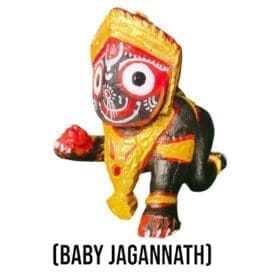
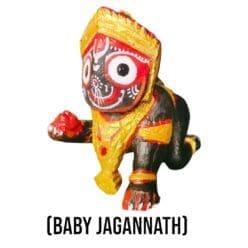 Baby Jagannath Mahaprabhu
₹ 4,301.00
Baby Jagannath Mahaprabhu
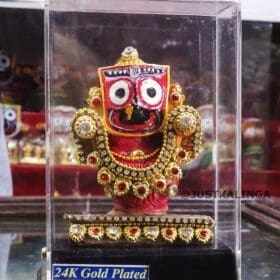
₹ 4,301.00 Patitopaban Mahaprabhu Murti With Glass framed
  Nava Graha Marbal Murti
  Shri Jagannath's Locket(Silver)
  Shri Siva Marble Murti
  Handmade Wooden Pen Stand
  Chandan lagi seva(sandal wood)
  Radha Krishna Raso Lilla
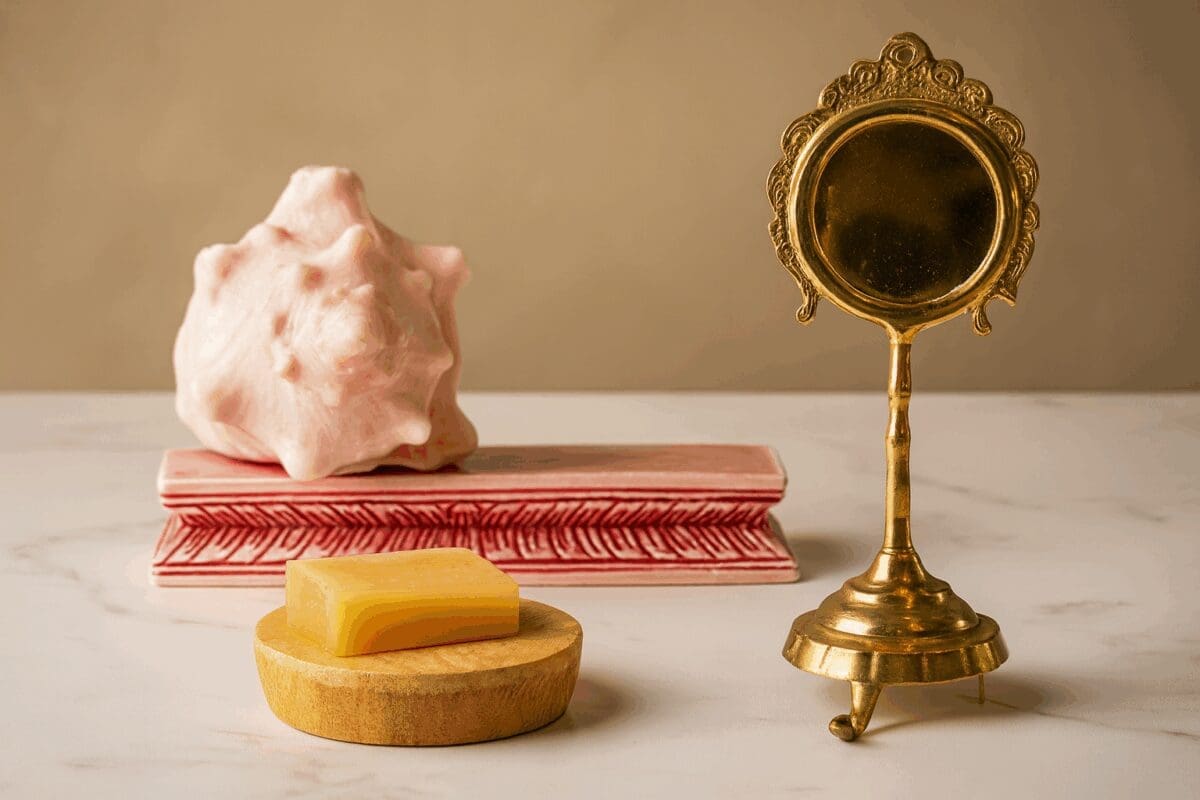
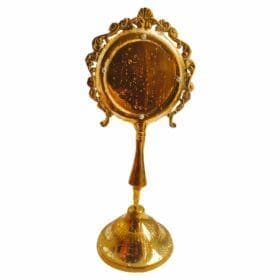
  Snan Darpan: for Shri Jagannath mahaprabhu's bathing rituals
  The origin story of Shri Jagannath
  Tulasi Jagannath Locket
  Mahaprabhu Marbles Art Idol