
-
×
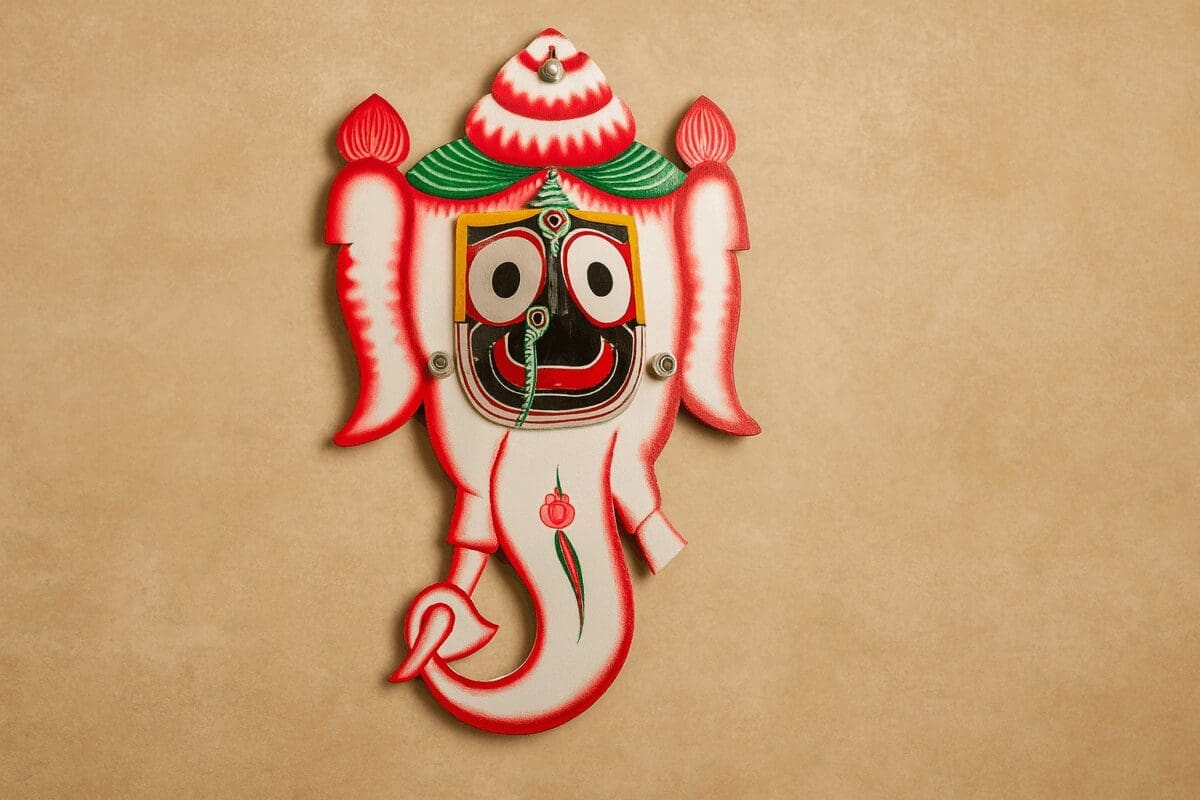
 Shri Jagannath wall hanger
₹ 624.00
Shri Jagannath wall hanger
₹ 624.00 -
×
 Shri Jagannath's Locket(Silver)
₹ 3,064.00
Shri Jagannath's Locket(Silver)
₹ 3,064.00 -
×
wall hanging Jhumar Big Size
₹ 999.00
-
×
Ancient Tribal Art
₹ 4,498.00
-
×
Shri Jagannath Magnet
₹ 567.00
-
×
Sambhu Jagannath Locket
₹ 849.00
-
×
Chandan lagi seva(sandal wood)
₹ 2,356.00
-
×
Shri Maheswari Marbal Murti
₹ 12,987.00
-
×
Beutiful shri jagannath Mahaprabhu Car/wall hanging
₹ 2,020.00
-
×
Niradrinath gift hamper
₹ 5,577.00
-
×
Bije kahali For Shri Jagannath Mahaprabhu
₹ 2,998.00
-
×
Hara Parbati Marble murti
₹ 4,489.00
-
×
Sankha
₹ 9,125.00
-
×
Ancient Tribal Art
₹ 6,998.00
-
×
Chaturbhuja Murti (17 cm)
₹ 2,498.00
-
×
The divine guards (pair lion)
₹ 2,249.00
-
×
Lord shri Jagannath mahaprabhu Marble Art Idol
₹ 1,625.00
-
×
Shri Gita gobindam Book
₹ 999.00
 Shri Jagannath's Locket(Silver)
  wall hanging Jhumar Big Size
  Ancient Tribal Art
 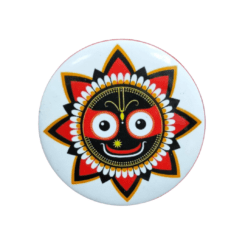 Shri Jagannath Magnet
  Sambhu Jagannath Locket
 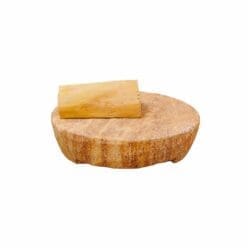 Chandan lagi seva(sandal wood)
  Shri Maheswari Marbal Murti
 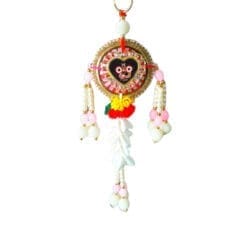 Beutiful shri jagannath Mahaprabhu Car/wall hanging
 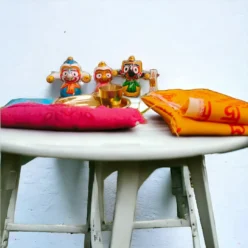 Niradrinath gift hamper
  Bije kahali For Shri Jagannath Mahaprabhu
 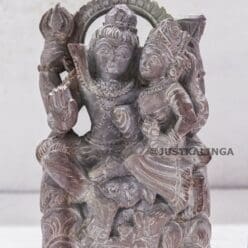 Hara Parbati Marble murti
 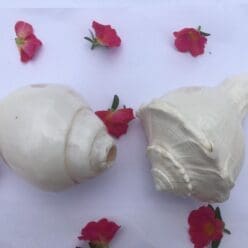 Sankha
  Ancient Tribal Art
 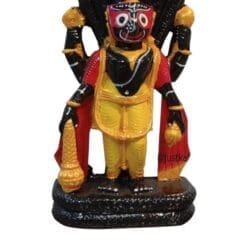 Chaturbhuja Murti (17 cm)
 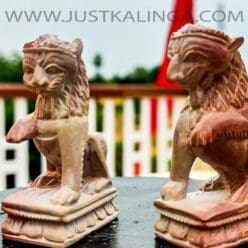 The divine guards (pair lion)
  Lord shri Jagannath mahaprabhu Marble Art Idol
  Shri Gita gobindam Book
 You may be interested in…
-
Add
Wooden Patitapawan temple
Original price was: ₹ 1,499.00.₹ 759.00Current price is: ₹ 759.00.
-
Add
This product has multiple variants. The options may be chosen on the product page
Half-Shirt(Male)
From ₹ 1,499.00
-
Add
This product has multiple variants. The options may be chosen on the product page
Grace Shawl for Pooja/fastival moments and Temple Visit
From ₹ 675.00
-
Add
Brass Sun & Moon( 3 parts )
Original price was: ₹ 799.00.₹ 699.00Current price is: ₹ 699.00.
-
Add
Aguru : The natural Perfume for Mahaprabhu
Original price was: ₹ 999.00.₹ 799.00Current price is: ₹ 799.00.