
-
×
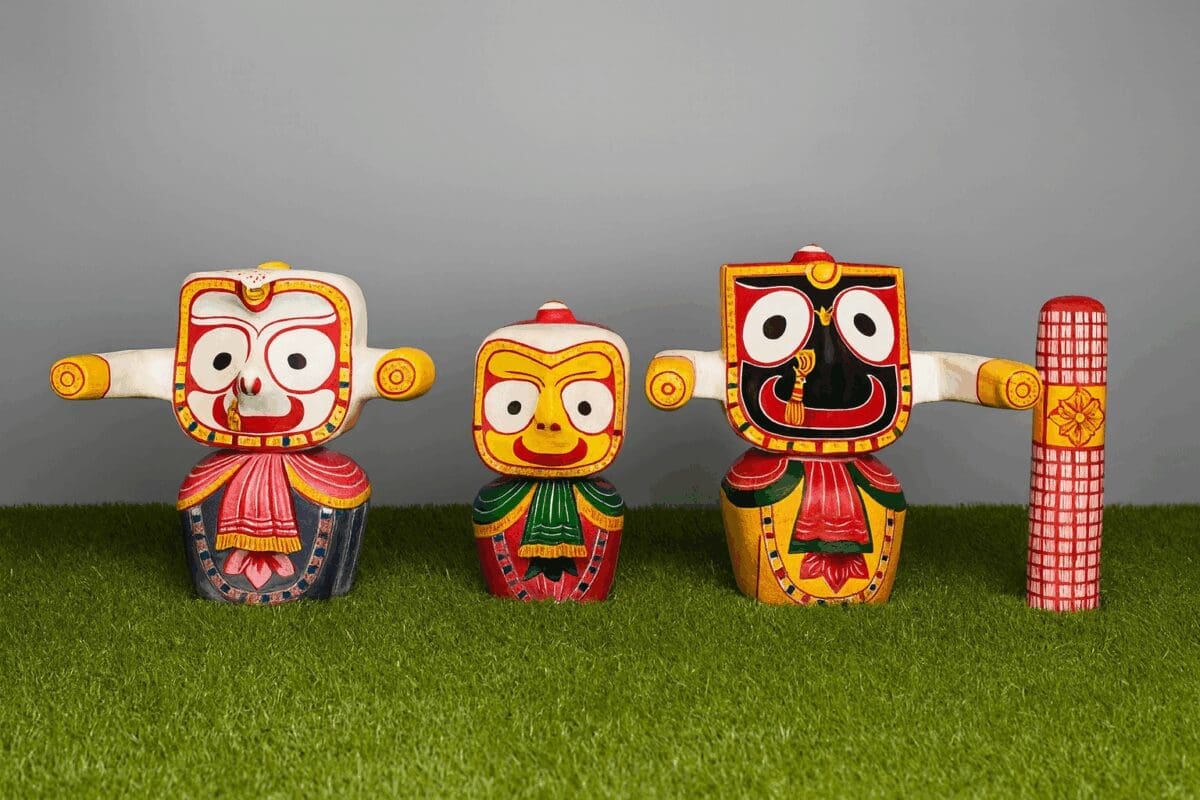
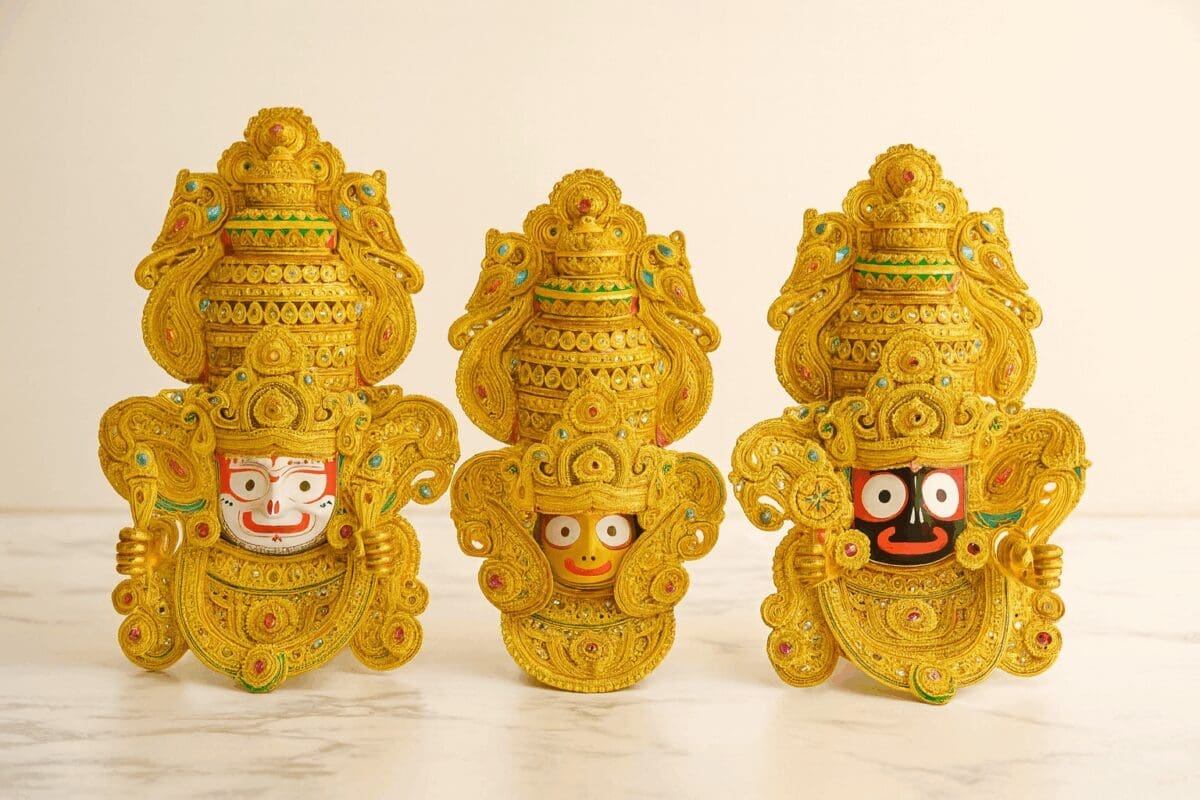
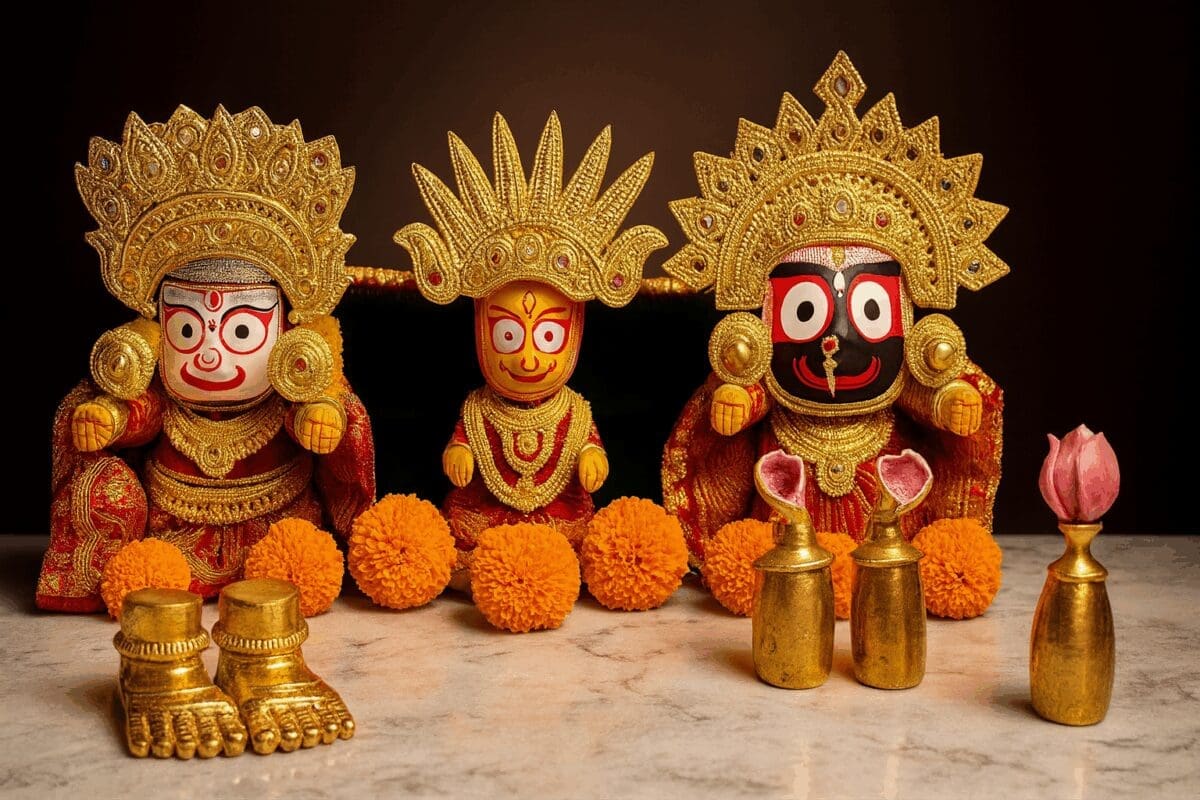
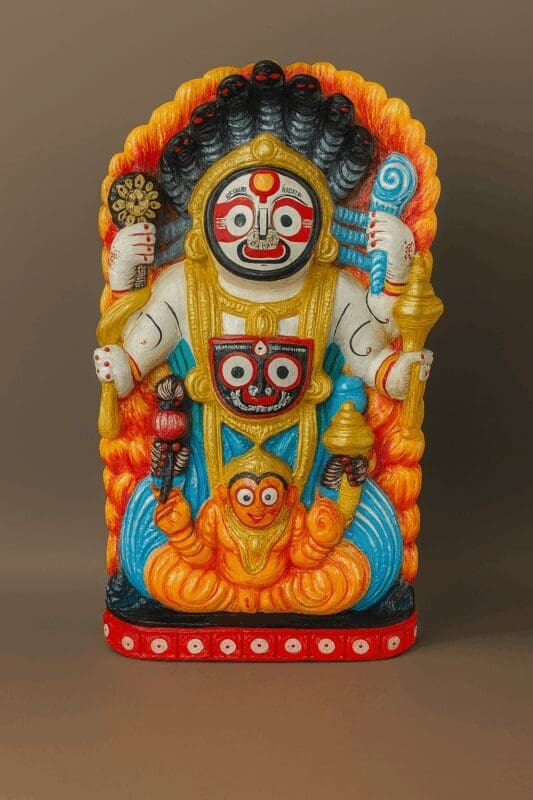
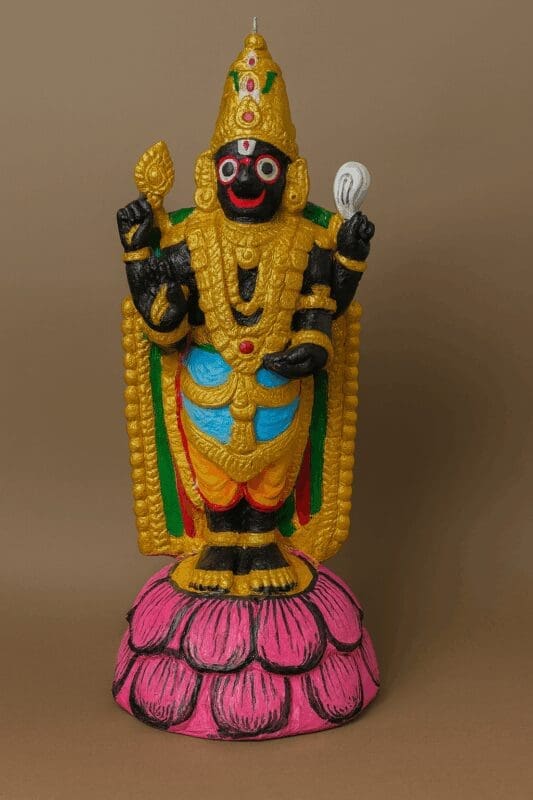
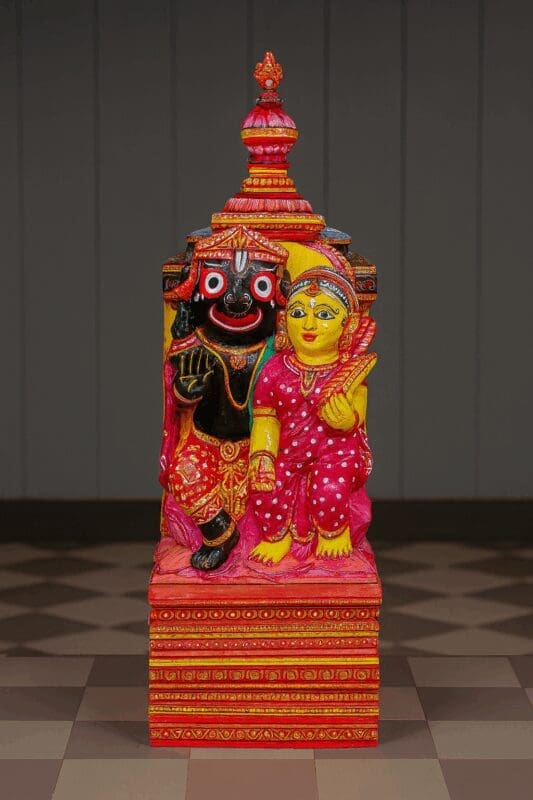
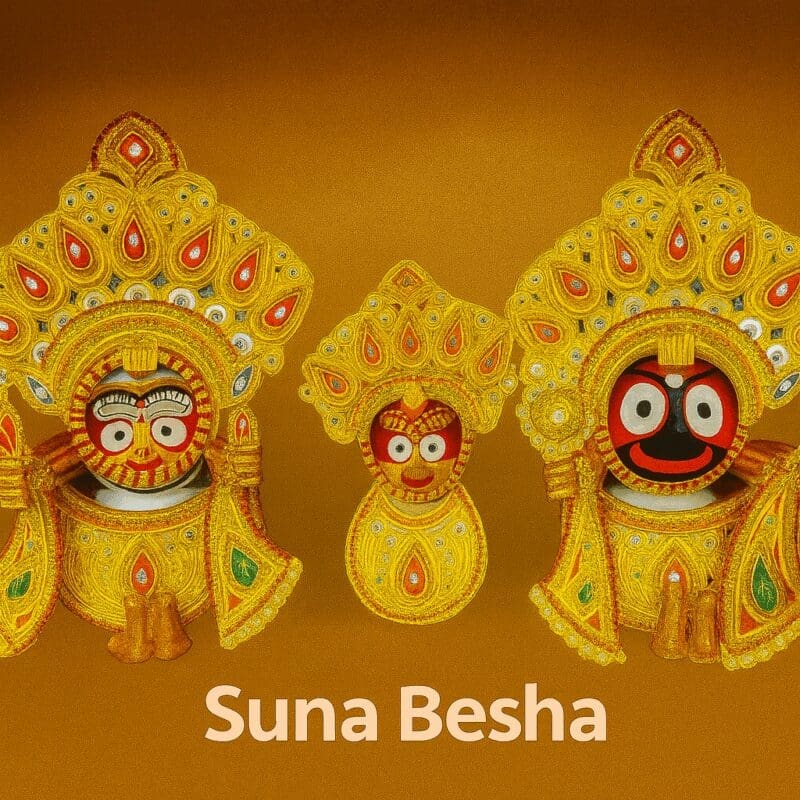
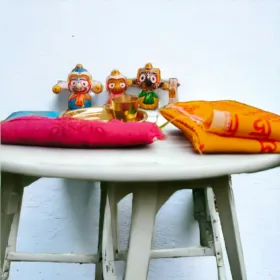
 Nila Madhav Combo
₹ 40,677.00
Nila Madhav Combo
₹ 40,677.00 -
×
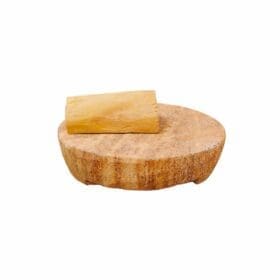
 Chandan lagi seva(sandal wood)
₹ 7,068.00
Chandan lagi seva(sandal wood)
₹ 7,068.00 -
×
Niradrinath gift hamper
₹ 3,718.00
-
×
Patachitra
₹ 110,396.00
-
×
Palm Leaf Lord Jagannath Mahaprabhu Lamp Shades
₹ 999.00
-
×
The brass "Elephant Jodi"
₹ 999.00
-
×
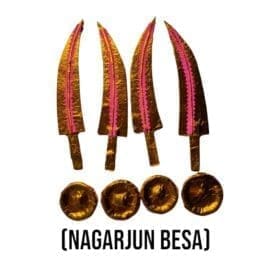
Shri Jagannath's Nagarjun Besha (8 Parts)
₹ 1,249.00
-
×
Shri Jagannath's Locket(Silver)
₹ 6,128.00
-
×
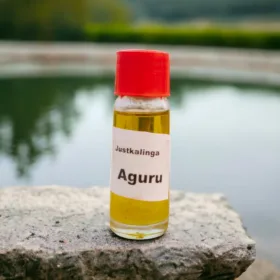
Aguru : The natural Perfume for Mahaprabhu
₹ 799.00
-
×
Lord Krishna ( Black Colour) "Tala-Pata-Chitra"
₹ 749.94
-
×
Jagannath chaturbhuja Illustrator
₹ 124.00
-
×
Handmade Bamboo Basket
₹ 2,010.00
-
×
Justkalinga.com Traditional Jodo (Dhoti + Uttariya)
₹ 11,098.00
-
×
Lord Krishna Story Patachitra
₹ 17,998.00
-
×
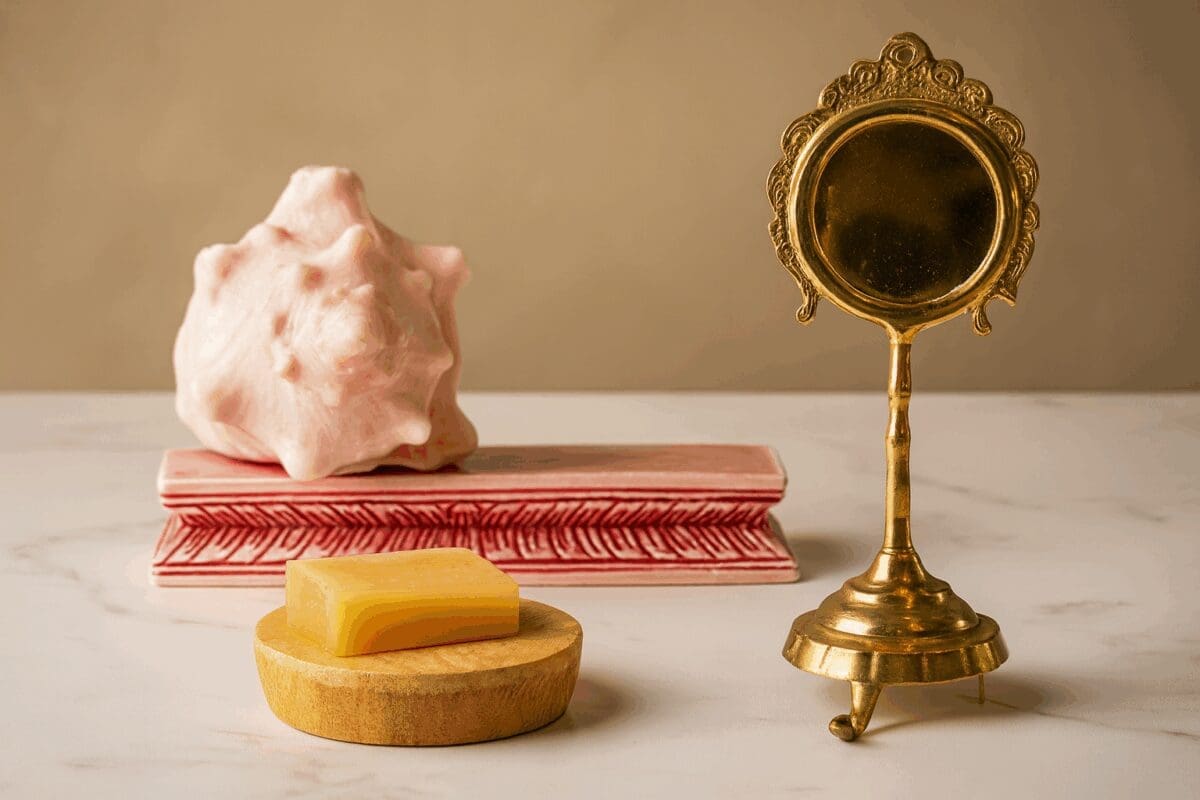
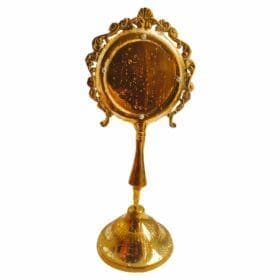
Snan Darpan: for Shri Jagannath mahaprabhu's bathing rituals
₹ 4,749.00
-
×
Dakhinabarti sankha (Small Size)
₹ 3,747.00
-
×
Sankha
₹ 9,125.00
-
×
Shri Gita gobindam Book
₹ 999.00
-
×
Niladrinath Gift Hamper
₹ 17,798.00
-
×
Justkalinga.com Traditional Gray & Yellow Jodo (Dhoti + Uttariya)
₹ 7,725.00
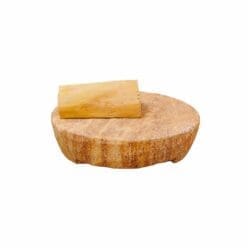 Chandan lagi seva(sandal wood)
 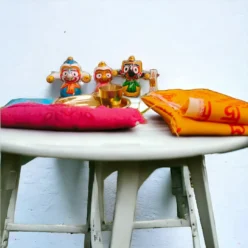 Niradrinath gift hamper
 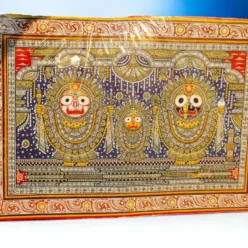 Patachitra
  Palm Leaf Lord Jagannath Mahaprabhu Lamp Shades
 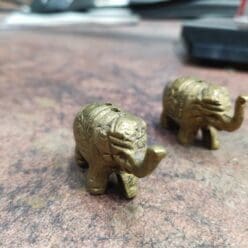 The brass "Elephant Jodi"
  Shri Jagannath's Nagarjun Besha (8 Parts)
  Shri Jagannath's Locket(Silver)
 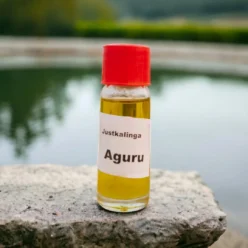 Aguru : The natural Perfume for Mahaprabhu
  Lord Krishna ( Black Colour) "Tala-Pata-Chitra"
  Jagannath chaturbhuja Illustrator
  Handmade Bamboo Basket
  Justkalinga.com Traditional Jodo (Dhoti + Uttariya)
  Lord Krishna Story Patachitra
  Snan Darpan: for Shri Jagannath mahaprabhu's bathing rituals
  Dakhinabarti sankha (Small Size)
 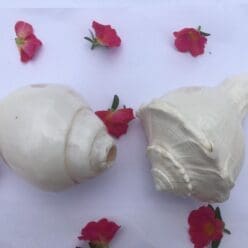 Sankha
  Shri Gita gobindam Book
 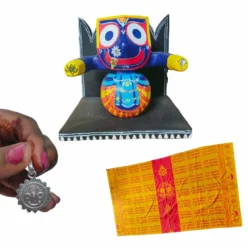 Niladrinath Gift Hamper
 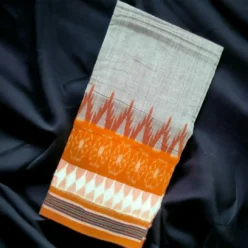 Justkalinga.com Traditional Gray & Yellow Jodo (Dhoti + Uttariya)
 You may be interested in…
-
Add
This product has multiple variants. The options may be chosen on the product page
Half-Shirt(Male)
From ₹ 1,499.00
-
Add
This product has multiple variants. The options may be chosen on the product page
Grace Shawl for Pooja/fastival moments and Temple Visit
From ₹ 675.00
-
Add
This product has multiple variants. The options may be chosen on the product page
The divine Japa Mali
From ₹ 1,239.00
-
Add
This product has multiple variants. The options may be chosen on the product page
SANJUA (DIYA)
From ₹ 275.00