
-
×
 Justkalinga.com Traditional Jodo (Dhoti + Uttariya)
₹ 38,843.00
Justkalinga.com Traditional Jodo (Dhoti + Uttariya)
₹ 38,843.00 -
×
 Ancient Tribal Art
₹ 2,125.00
Ancient Tribal Art
₹ 2,125.00 -
×
Dakhinabarti sankha (Small Size)
₹ 2,498.00
-
×
Ganapati Shankha
₹ 3,624.00
-
×
2024-2025 Jagannath Mahaprabhus divine Besa Calendar PDF File
₹ 15.00
-
×
Beutiful shri jagannath Mahaprabhu Car/wall hanging
₹ 2,020.00
-
×
Temple of lord Jagannath
₹ 4,375.00
-
×
Dhanwani sankha(Blowing Sankha)
₹ 1,874.00
-
×
The divine Tulasi Kanthi Mali
₹ 599.00
-
×
Wooden Patitapawan temple
₹ 759.00
-
×
Ancient Tribal Art
₹ 3,375.00
-
×
Tulasi Jagannath Locket
₹ 2,100.00
-
×
Sankha
₹ 9,125.00
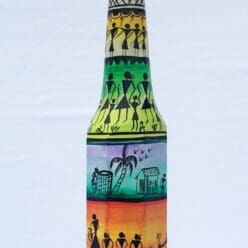 Ancient Tribal Art
  Dakhinabarti sankha (Small Size)
  Ganapati Shankha
  2024-2025 Jagannath Mahaprabhus divine Besa Calendar PDF File
 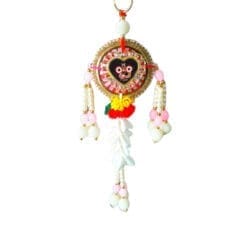 Beutiful shri jagannath Mahaprabhu Car/wall hanging
  Temple of lord Jagannath
 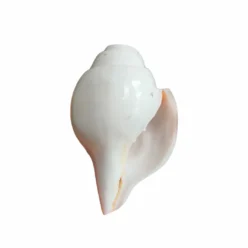 Dhanwani sankha(Blowing Sankha)
  The divine Tulasi Kanthi Mali
 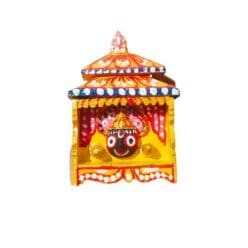 Wooden Patitapawan temple
 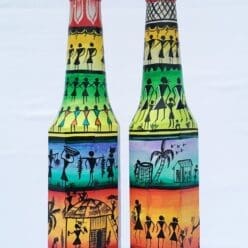 Ancient Tribal Art
  Tulasi Jagannath Locket
 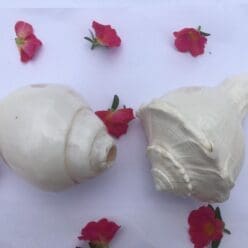 Sankha
 You may be interested in…
-
Add
Niladrinath Gift Hamper
Original price was: ₹ 10,599.00.₹ 8,899.00Current price is: ₹ 8,899.00.
-
Add
This product has multiple variants. The options may be chosen on the product page
Grace Shawl for Pooja/fastival moments and Temple Visit
From ₹ 675.00
-
Add
This product has multiple variants. The options may be chosen on the product page
The divine Japa Mali
From ₹ 1,239.00
-
Add
Chandan lagi seva(sandal wood)
Original price was: ₹ 2,599.00.₹ 2,356.00Current price is: ₹ 2,356.00.
-
Add
Krishna Kanth Mayoor Locket
Original price was: ₹ 299.00.₹ 199.00Current price is: ₹ 199.00.