
-
×
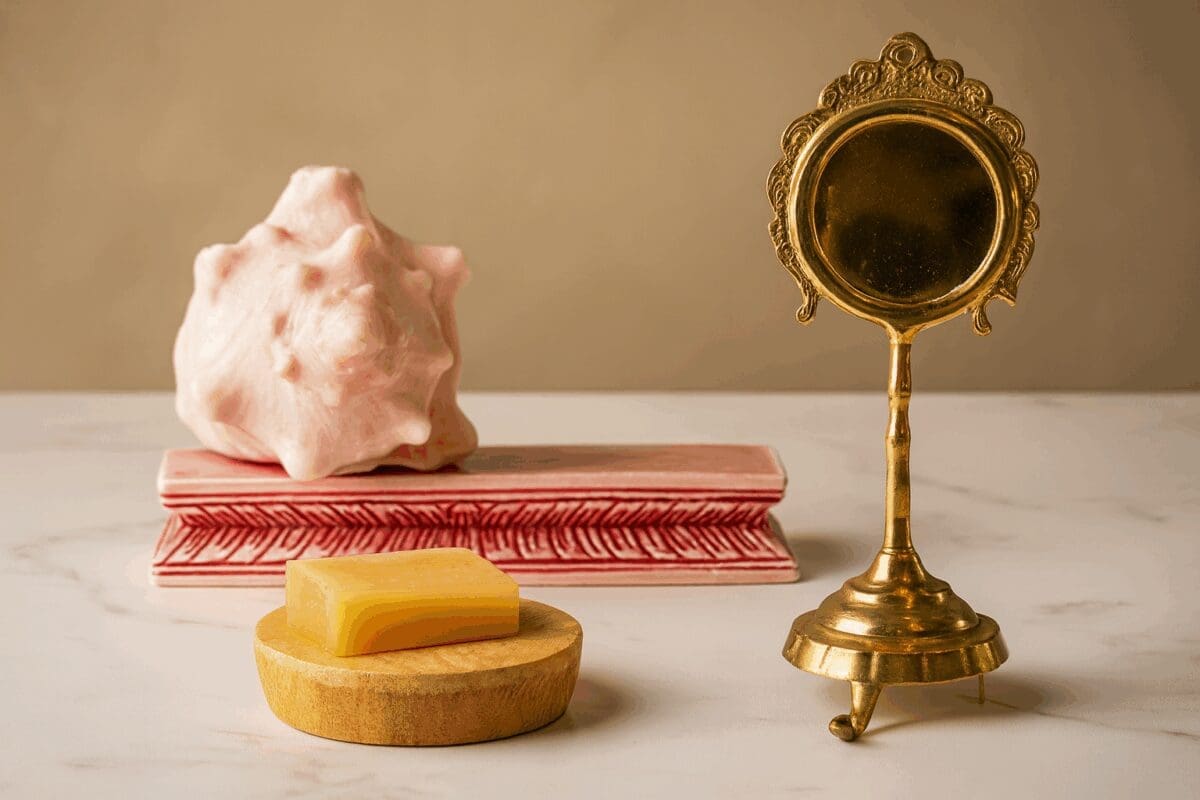
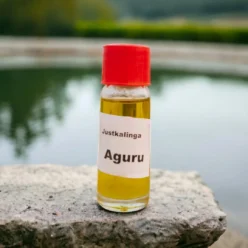 Aguru : The natural Perfume for Mahaprabhu
₹ 11,985.00
Aguru : The natural Perfume for Mahaprabhu
₹ 11,985.00 -
×
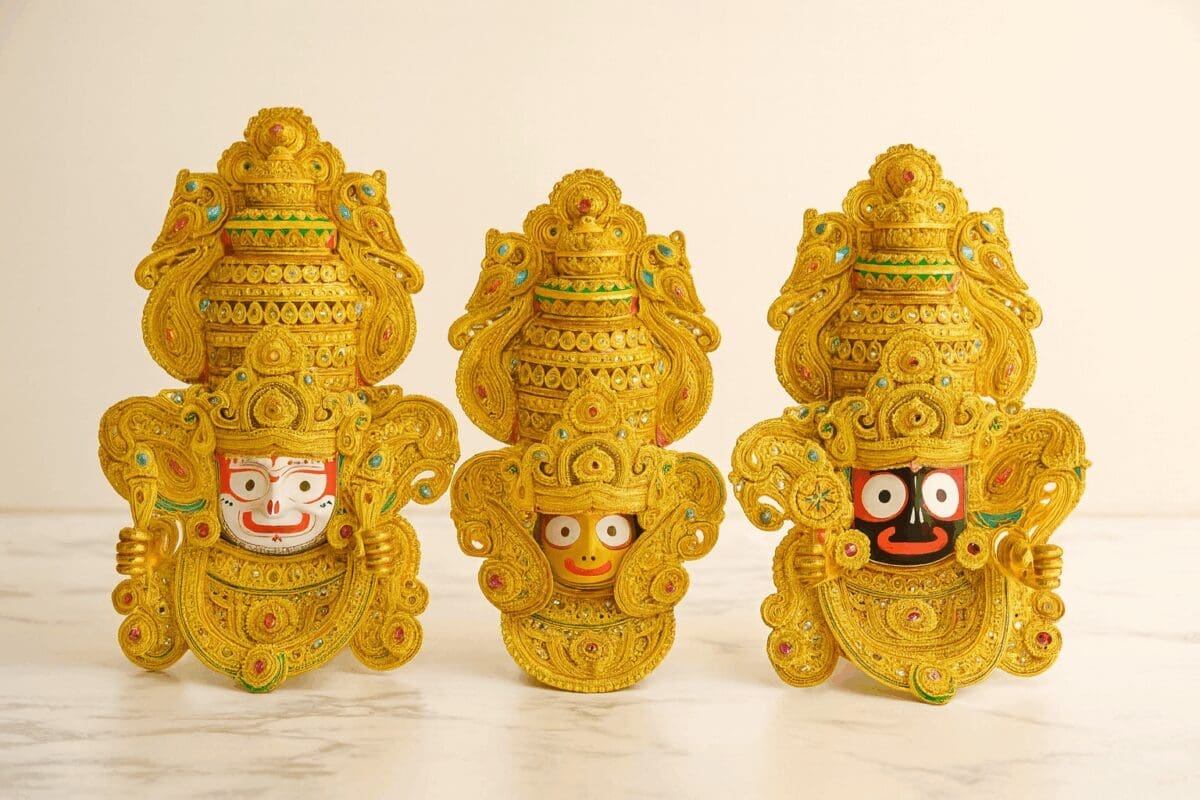
 Silver Murti
₹ 6,229.00
Silver Murti
₹ 6,229.00 -
×
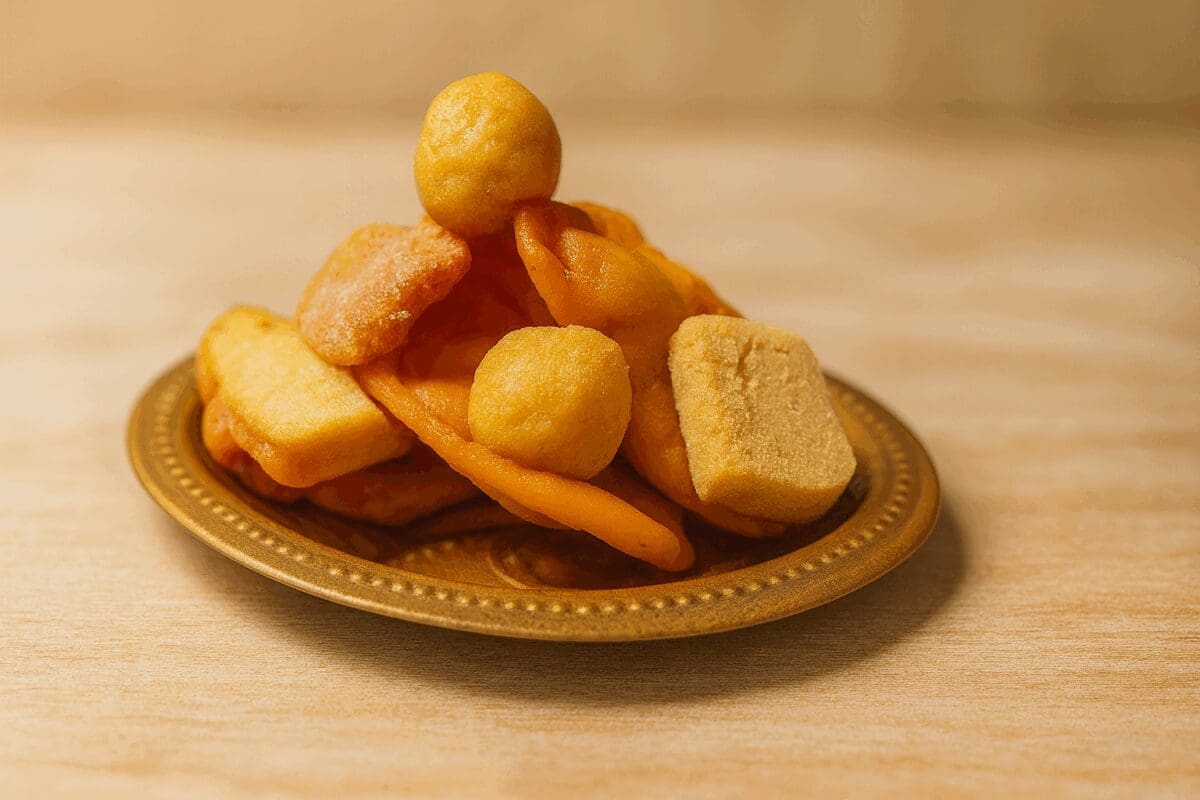
Sweets for your home temple offering from Jagannatha puri (Sakar)
₹ 299.00
-
×
Gopal Ballav Combo
₹ 13,009.00
-
×
Nila Madhav Combo
₹ 27,118.00
-
×
Shri Gita gobindam Book
₹ 4,995.00
-
×
Alat: The divines hand fan
₹ 4,298.00
-
×
Nava Graha Marbal Murti
₹ 27,375.00
-
×
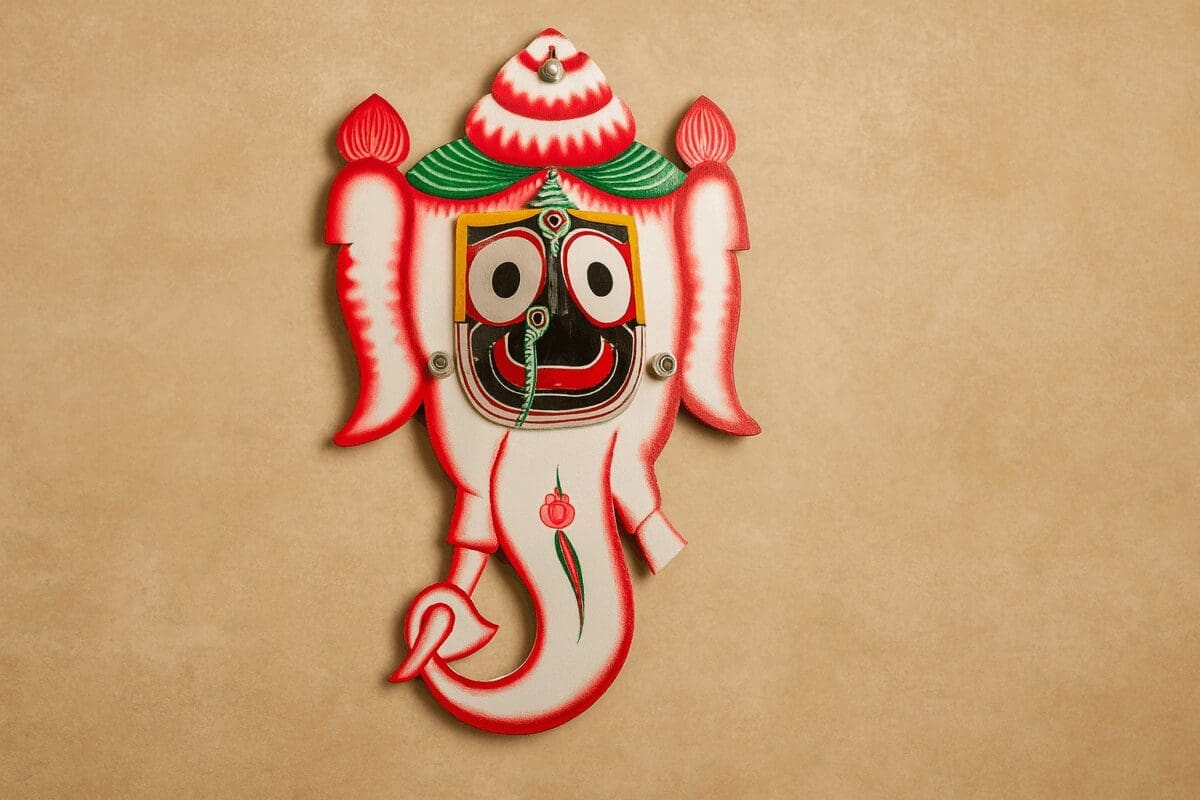
Ancient Tribal Art
₹ 3,375.00
-
×
Gift combo
₹ 5,709.00
-
×
Aguru, Chua Oil And Mahodadhi Water
₹ 2,698.00
-
×
The origin story of Shri Jagannath
₹ 499.00
-
×
Jagannath mahaprabhus Jhulana Palinki
₹ 249.00
-
×
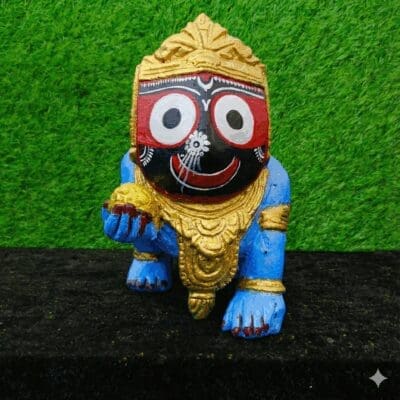
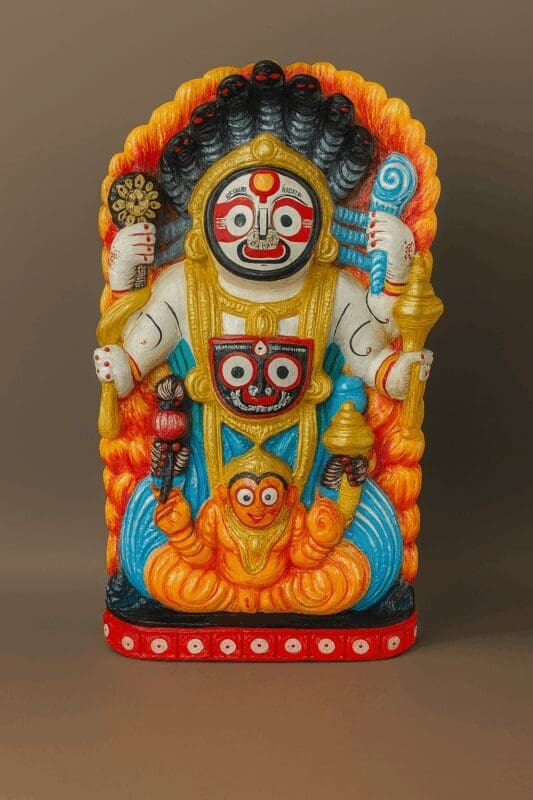
Shri Chatrudha Mahaprabhu Murti
₹ 3,315.00
-
×
Laxmi Rupam Of Shri Jagannath Mahaprabhu
₹ 2,499.00
-
×
Krishna Kanth Mayoor Locket
₹ 199.00
-
×
Ancient Tribal Art
₹ 2,249.00
-
×
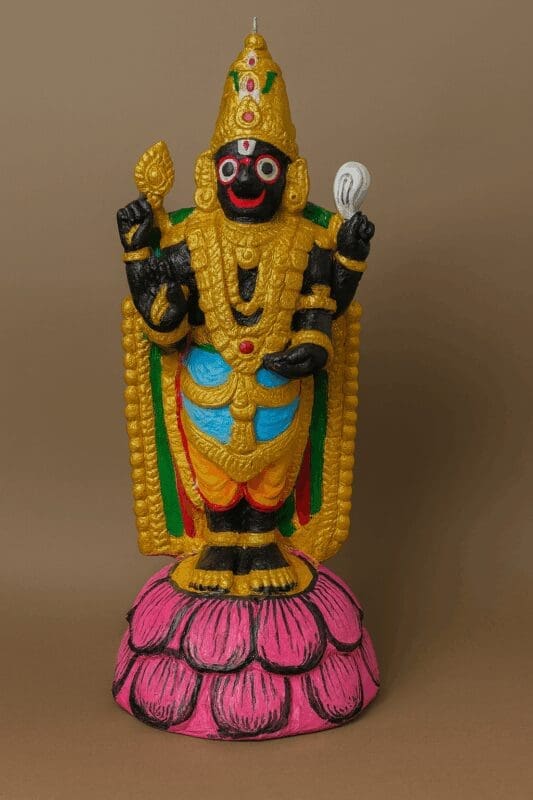
Padmanav Rupam (Anant sayan)
₹ 12,439.00
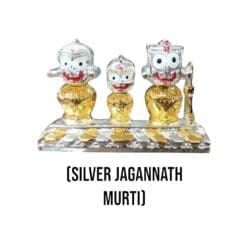 Silver Murti
  Sweets for your home temple offering from Jagannatha puri (Sakar)
  Gopal Ballav Combo
  Nila Madhav Combo
 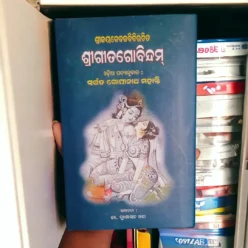 Shri Gita gobindam Book
 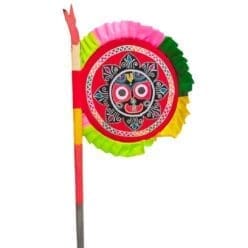 Alat: The divines hand fan
  Nava Graha Marbal Murti
 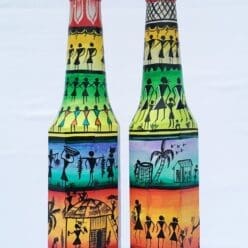 Ancient Tribal Art
  Gift combo
 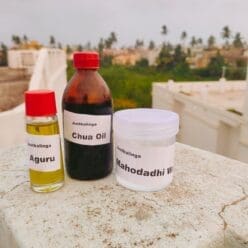 Aguru, Chua Oil And Mahodadhi Water
  The origin story of Shri Jagannath
 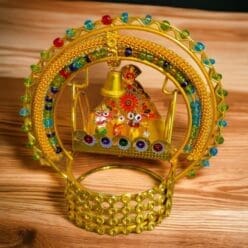 Jagannath mahaprabhus Jhulana Palinki
  Shri Chatrudha Mahaprabhu Murti
  Laxmi Rupam Of Shri Jagannath Mahaprabhu
  Krishna Kanth Mayoor Locket
  Ancient Tribal Art
  Padmanav Rupam (Anant sayan)
 You may be interested in…
-
Add
Niradrinath gift hamper
Original price was: ₹ 2,799.00.₹ 1,859.00Current price is: ₹ 1,859.00.
-
Add
This product has multiple variants. The options may be chosen on the product page
Half-Shirt(Male)
From ₹ 1,499.00
-
Add
This product has multiple variants. The options may be chosen on the product page
Grace Shawl for Pooja/fastival moments and Temple Visit
From ₹ 675.00
-
Add
This product has multiple variants. The options may be chosen on the product page
Chandan Pedi
From ₹ 599.00
-
Add
Chandan lagi seva(sandal wood)
Original price was: ₹ 2,599.00.₹ 2,356.00Current price is: ₹ 2,356.00.