
-
×
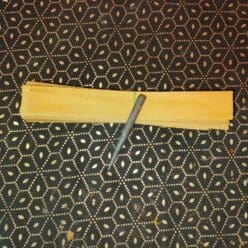 Handcrafted Tāla Patra & Lekhani Set
₹ 3,438.00
Handcrafted Tāla Patra & Lekhani Set
₹ 3,438.00 -
×
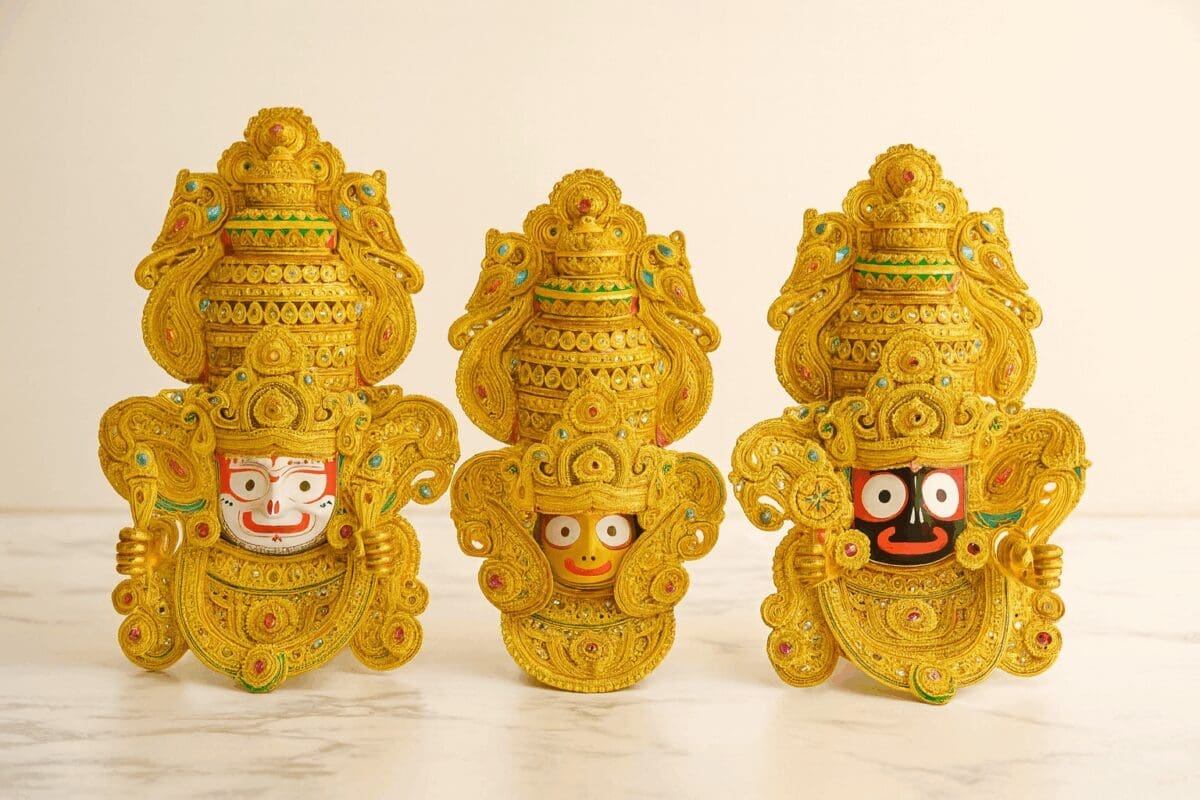
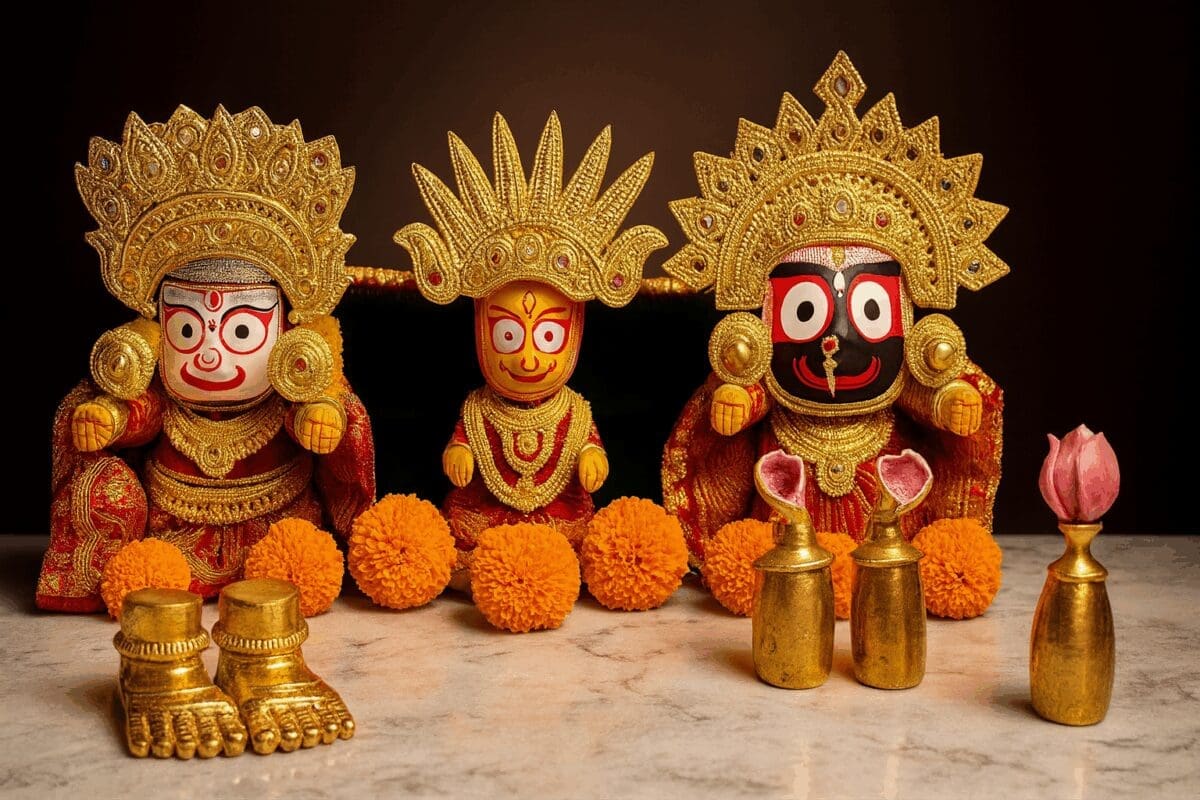
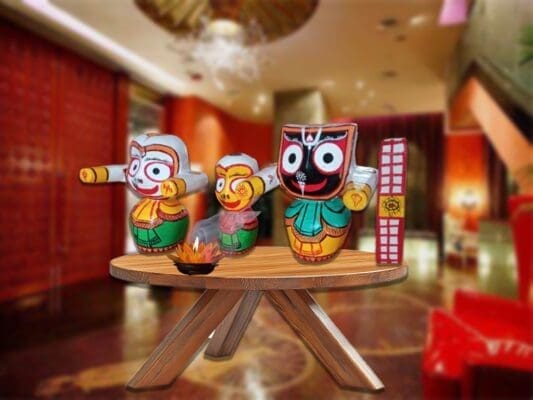
 Golden Radiance jagannath Trio
₹ 10,249.00
Golden Radiance jagannath Trio
₹ 10,249.00 -
×
Bije kahali For Shri Jagannath Mahaprabhu
₹ 10,493.00
-
×
Dakhinabarti sankha (Small Size)
₹ 4,996.00
-
×
Shri Jagannath Mahaprabhu's welcome combo
₹ 11,230.00
-
×
Religious Mark (Tilak)
₹ 179.00
-
×
Nila Chakra of shri Jagannath Temple For Your Home
₹ 1,249.00
-
×
Shri Jagannath's Marable Murti
₹ 1,699.92
-
×
Sambhu Jagannath Locket
₹ 849.00
-
×
Madanmohan
₹ 4,999.00
-
×
Locket
₹ 879.00
-
×
Balaji Murti
₹ 9,000.00
-
×
Ghantua, kahalia, Sankhua
₹ 9,599.00
-
×
Mahaprabhu's Car Sticker
₹ 249.92
-
×
Sankha
₹ 9,125.00
-
×
Krishna Rupam Of Shri Jagannath Mahaprabhu
₹ 10,000.00
-
×
Tulasi Jagannath Locket
₹ 2,811.00
-
×
Shri Gita gobindam Book
₹ 999.00
 Golden Radiance jagannath Trio
  Bije kahali For Shri Jagannath Mahaprabhu
  Dakhinabarti sankha (Small Size)
  Shri Jagannath Mahaprabhu's welcome combo
  Religious Mark (Tilak)
 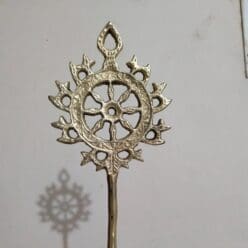 Nila Chakra of shri Jagannath Temple For Your Home
  Shri Jagannath's Marable Murti
  Sambhu Jagannath Locket
  Madanmohan
  Locket
  Balaji Murti
 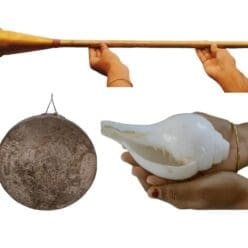 Ghantua, kahalia, Sankhua
  Mahaprabhu's Car Sticker
 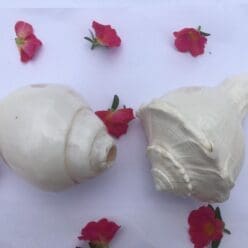 Sankha
 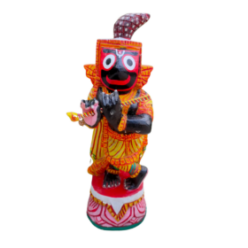 Krishna Rupam Of Shri Jagannath Mahaprabhu
  Tulasi Jagannath Locket
  Shri Gita gobindam Book
 You may be interested in…
-
Add
Niradrinath gift hamper
Original price was: ₹ 2,799.00.₹ 1,859.00Current price is: ₹ 1,859.00.
-
Add
Badge
Original price was: ₹ 2,599.00.₹ 2,045.00Current price is: ₹ 2,045.00.
-
Add
This product has multiple variants. The options may be chosen on the product page
Half-Shirt(Male)
From ₹ 1,499.00
-
Add
This product has multiple variants. The options may be chosen on the product page
Grace Shawl for Pooja/fastival moments and Temple Visit
From ₹ 675.00
-
Add
This product has multiple variants. The options may be chosen on the product page
The divine Japa Mali
From ₹ 1,239.00