
-
×
 The beautifully painted conch
₹ 4,838.00
The beautifully painted conch
₹ 4,838.00 -
×
 Shri Gita gobindam Book
₹ 999.00
Shri Gita gobindam Book
₹ 999.00 -
×
Dakhinabarti sankha (Small Size)
₹ 1,249.00
-
×
Aguru : The natural Perfume for Mahaprabhu
₹ 799.00
-
×
Silver locket
₹ 3,629.00
-
×
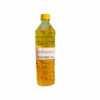
Chua Oil
₹ 499.00
-
×
Shri Ganesh Pink Stone Murti
₹ 3,439.00
-
×
Gruha Tilak The combination of Shrifal
₹ 999.00
-
×
Sankha
₹ 18,250.00
-
×
Patani lagi murti
₹ 11,720.00
-
×
Handmade Bamboo Basket
₹ 1,005.00
-
×
Tulasi Plant Pot
₹ 1,999.00
-
×
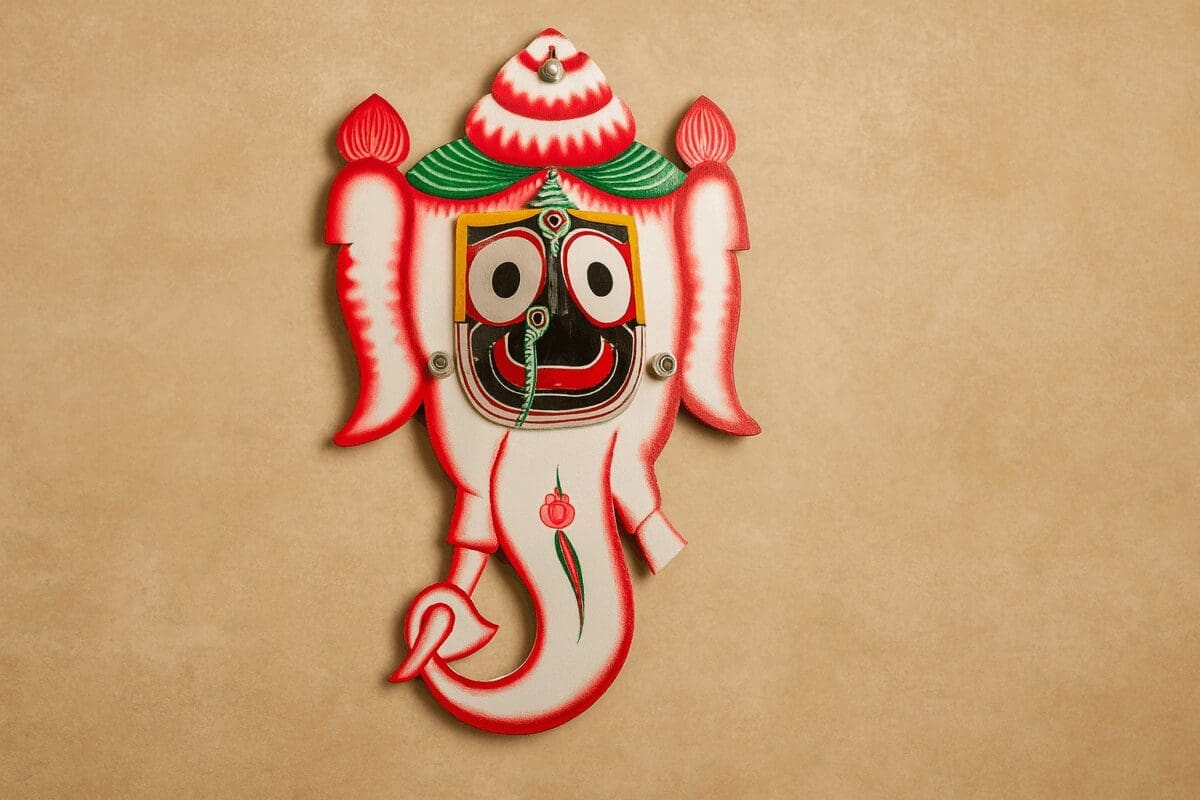
Beutiful shri jagannath Mahaprabhu Car/wall hanging
₹ 1,010.00
-
×
The origin story of Shri Jagannath
₹ 499.00
-
×
Panchatrirth Water
₹ 500.00
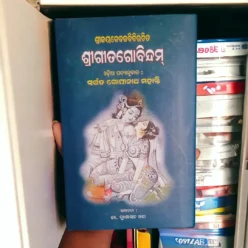 Shri Gita gobindam Book
  Dakhinabarti sankha (Small Size)
 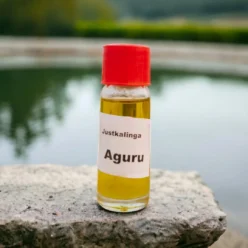 Aguru : The natural Perfume for Mahaprabhu
  Silver locket
 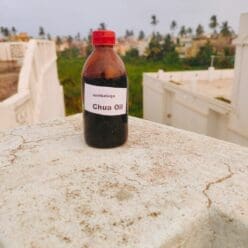 Chua Oil
 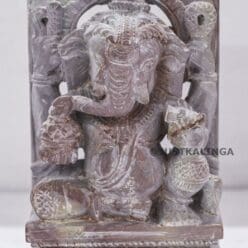 Shri Ganesh Pink Stone Murti
 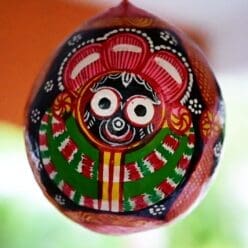 Gruha Tilak The combination of Shrifal
 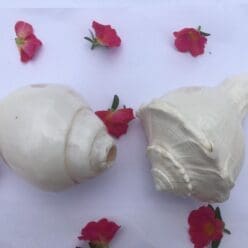 Sankha
  Patani lagi murti
  Handmade Bamboo Basket
 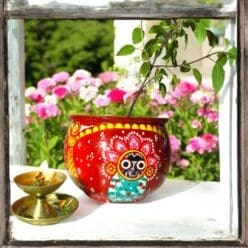 Tulasi Plant Pot
  Beutiful shri jagannath Mahaprabhu Car/wall hanging
  The origin story of Shri Jagannath
  Panchatrirth Water
 You may be interested in…
-
Add
Niradrinath gift hamper
Original price was: ₹ 2,799.00.₹ 1,859.00Current price is: ₹ 1,859.00.
-
Add
This product has multiple variants. The options may be chosen on the product page
Half-Shirt(Male)
From ₹ 1,499.00
-
Add
This product has multiple variants. The options may be chosen on the product page
Grace Shawl for Pooja/fastival moments and Temple Visit
From ₹ 675.00
-
Add
Castor Oil For Your Pooja
Original price was: ₹ 599.00.₹ 439.00Current price is: ₹ 439.00.
-
Add
Chandan lagi seva(sandal wood)
Original price was: ₹ 2,599.00.₹ 2,356.00Current price is: ₹ 2,356.00.