
-
×
 SIDHESWAR RUPAM
₹ 1,799.00
SIDHESWAR RUPAM
₹ 1,799.00 -
×
 Shri Gita gobindam Book
₹ 1,998.00
Shri Gita gobindam Book
₹ 1,998.00 -
×
Purna Kumbha
₹ 5,500.00
-
×
Bije kahali For Shri Jagannath Mahaprabhu
₹ 1,499.00
-
×
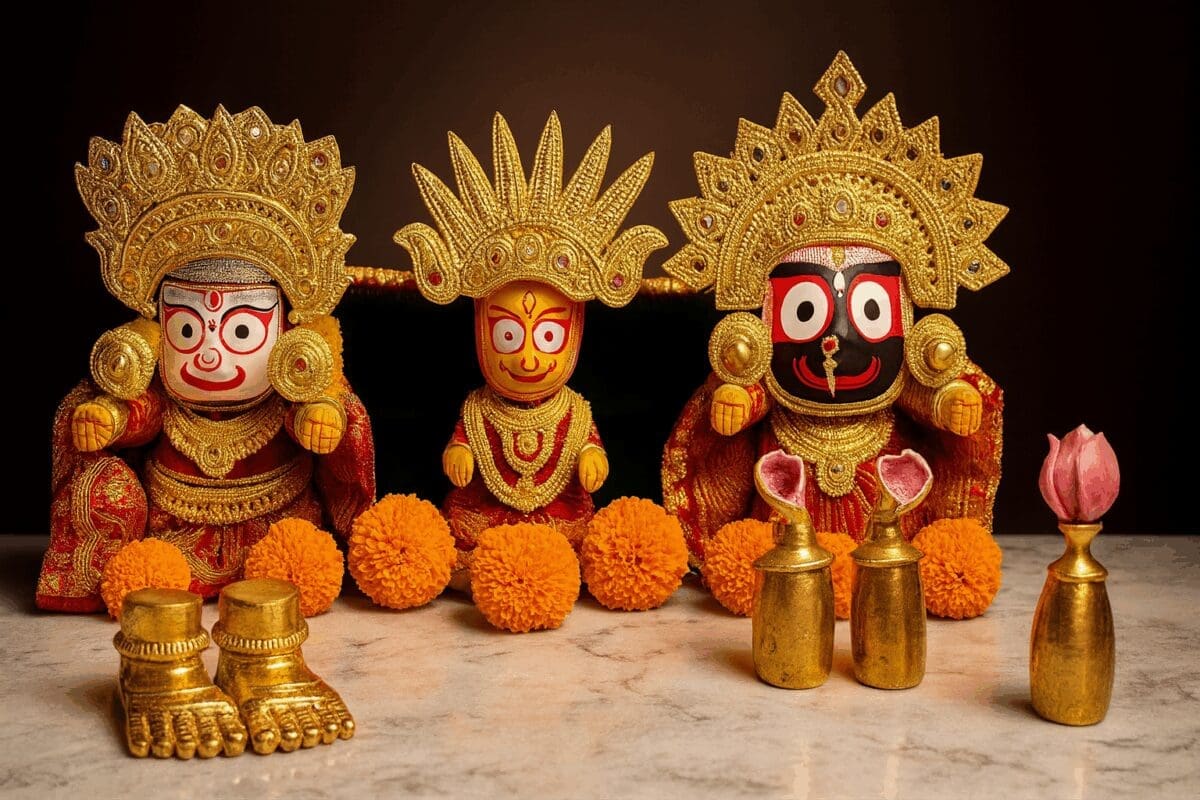
Niradrinath gift hamper
₹ 1,859.00
-
×
The brass "Elephant Jodi"
₹ 999.00
-
×
The divine Tulasi Kanthi Mali
₹ 599.00
-
×
Important Daily Puja audio of shri jagannath mahaprabhu
₹ 874.00
-
×
Lotus flower agrabati stand
₹ 998.00
-
×
Dhanwani sankha(Blowing Sankha)
₹ 1,874.00
-
×
Shri Chatrudha Mahaprabhu Murti
₹ 3,315.00
-
×
Dakhinabarti sankha (Small Size)
₹ 1,249.00
-
×
Chandan lagi seva(sandal wood)
₹ 2,356.00
-
×
Sweta varnam
₹ 2,279.00
-
×
Justkalinga.com Traditional Jodo (Dhoti + Uttariya)
₹ 11,098.00
-
×
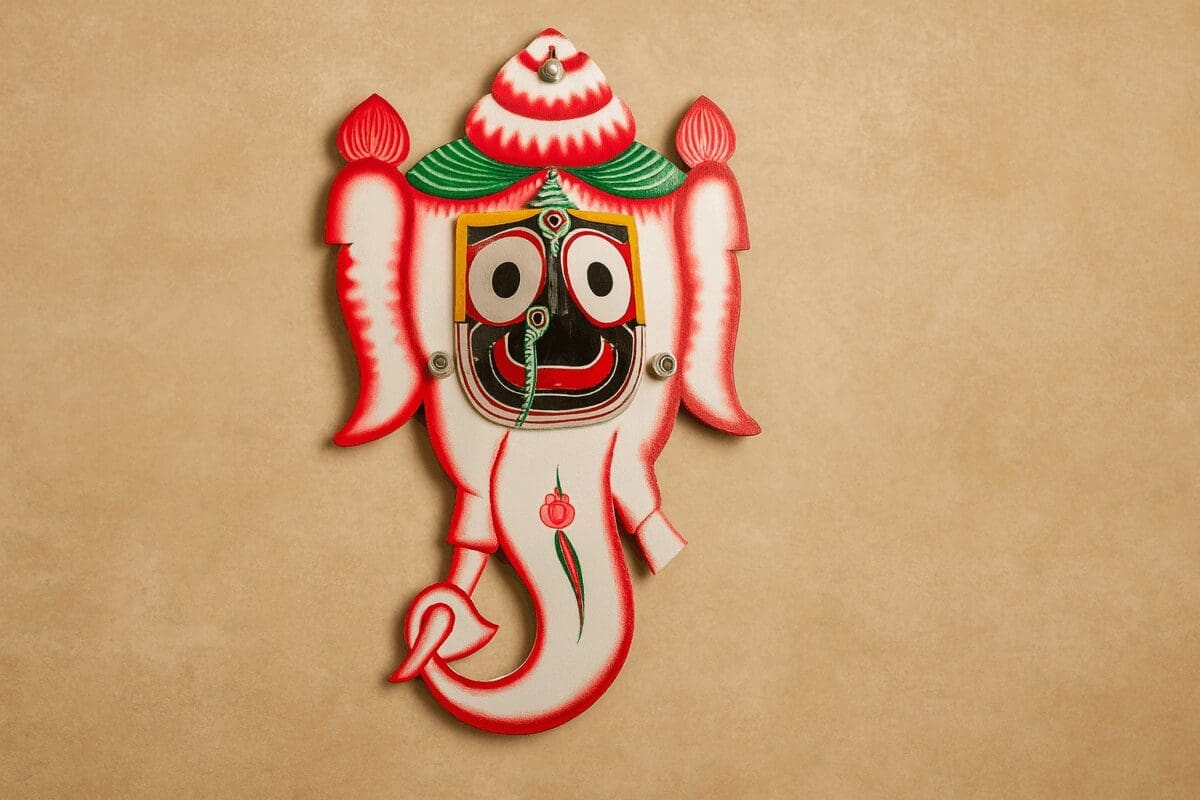
Beutiful shri jagannath Mahaprabhu Car/wall hanging
₹ 500.00
-
×
Temple of lord Jagannath
₹ 4,375.00
-
×
Wooden Patitapawan temple
₹ 759.00
 Shri Gita gobindam Book
  Purna Kumbha
  Bije kahali For Shri Jagannath Mahaprabhu
 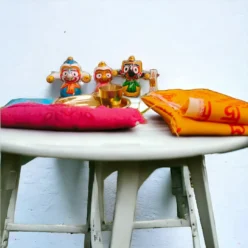 Niradrinath gift hamper
 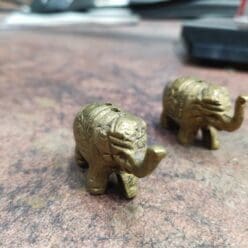 The brass "Elephant Jodi"
  The divine Tulasi Kanthi Mali
  Important Daily Puja audio of shri jagannath mahaprabhu
 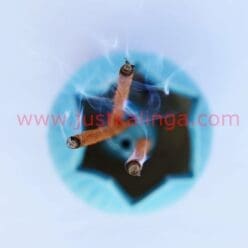 Lotus flower agrabati stand
 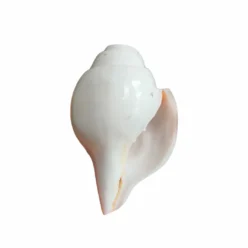 Dhanwani sankha(Blowing Sankha)
  Shri Chatrudha Mahaprabhu Murti
  Dakhinabarti sankha (Small Size)
 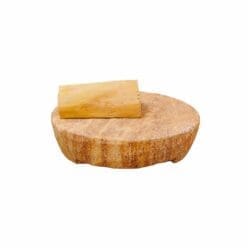 Chandan lagi seva(sandal wood)
  Sweta varnam
  Justkalinga.com Traditional Jodo (Dhoti + Uttariya)
  Beutiful shri jagannath Mahaprabhu Car/wall hanging
  Temple of lord Jagannath
 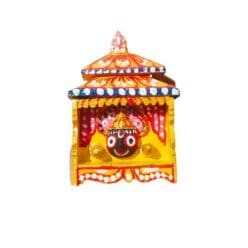 Wooden Patitapawan temple
 You may be interested in…
-
Add
Niladrinath Gift Hamper
Original price was: ₹ 10,599.00.₹ 8,899.00Current price is: ₹ 8,899.00.
-
Add
This product has multiple variants. The options may be chosen on the product page
Half-Shirt(Male)
From ₹ 1,499.00
-
Add
This product has multiple variants. The options may be chosen on the product page
Grace Shawl for Pooja/fastival moments and Temple Visit
From ₹ 675.00
-
Add
This product has multiple variants. The options may be chosen on the product page
The divine Japa Mali
From ₹ 1,239.00
-
Add
Aguru : The natural Perfume for Mahaprabhu
Original price was: ₹ 999.00.₹ 799.00Current price is: ₹ 799.00.