
-
×
 Ganapati Shankha
₹ 3,624.00
Ganapati Shankha
₹ 3,624.00 -
×
 Premium Bije kahali
₹ 1,799.00
Premium Bije kahali
₹ 1,799.00 -
×
Justkalinga.com Traditional Jodo (Dhoti + Uttariya)
₹ 5,549.00
-
×
Shri Jagannath's Locket(Silver)
₹ 3,064.00
-
×
Panchatrirth Water
₹ 500.00
-
×
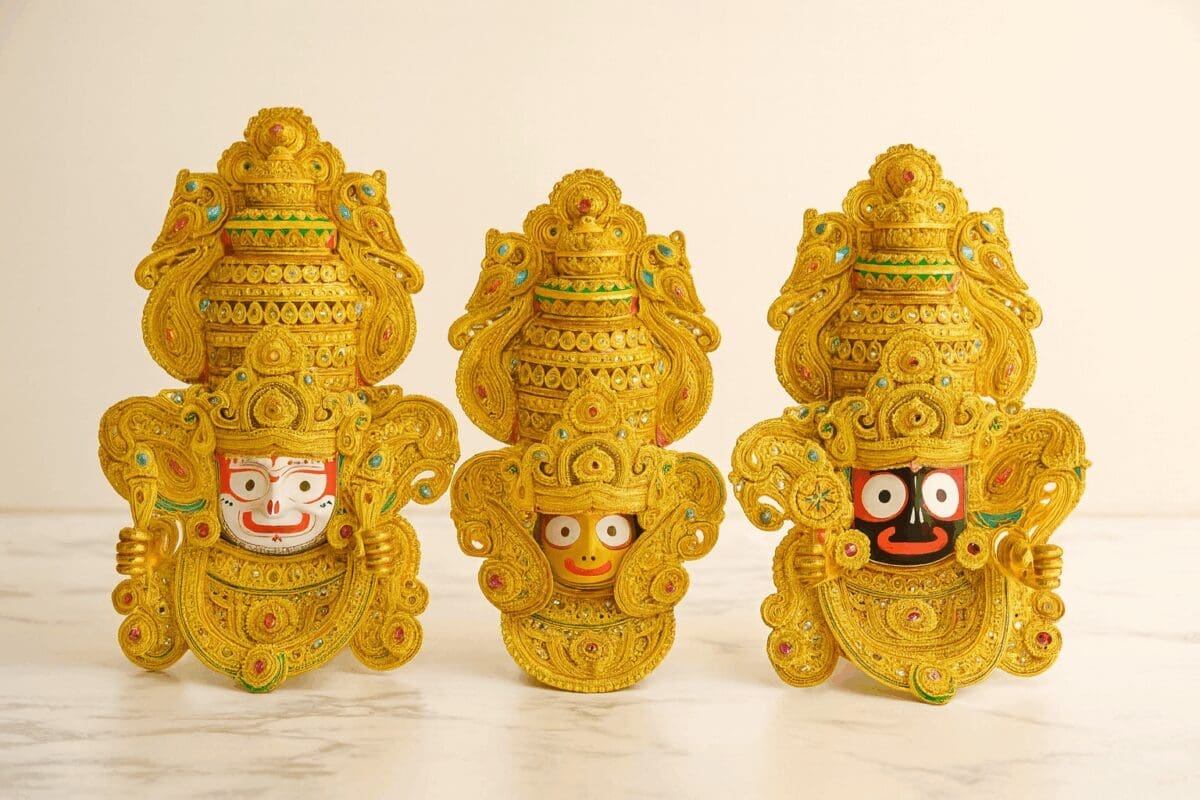
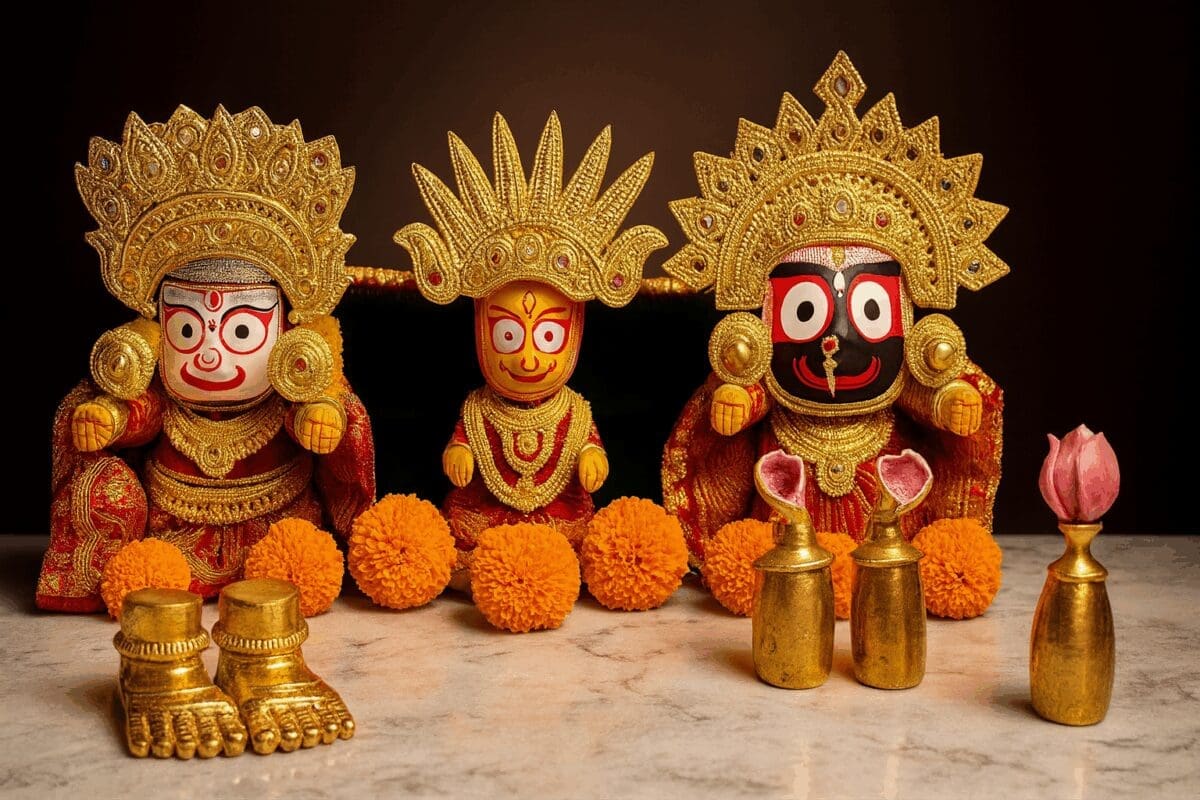
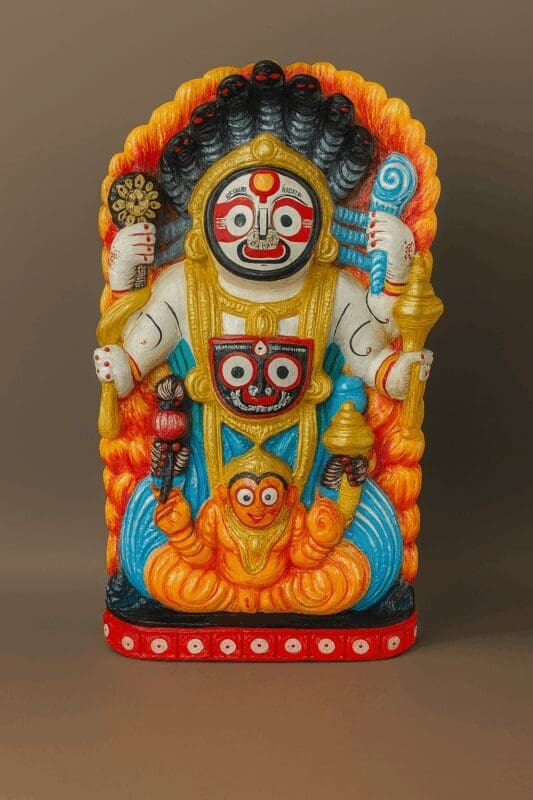
Golden Radiance jagannath Trio
₹ 10,249.00
-
×
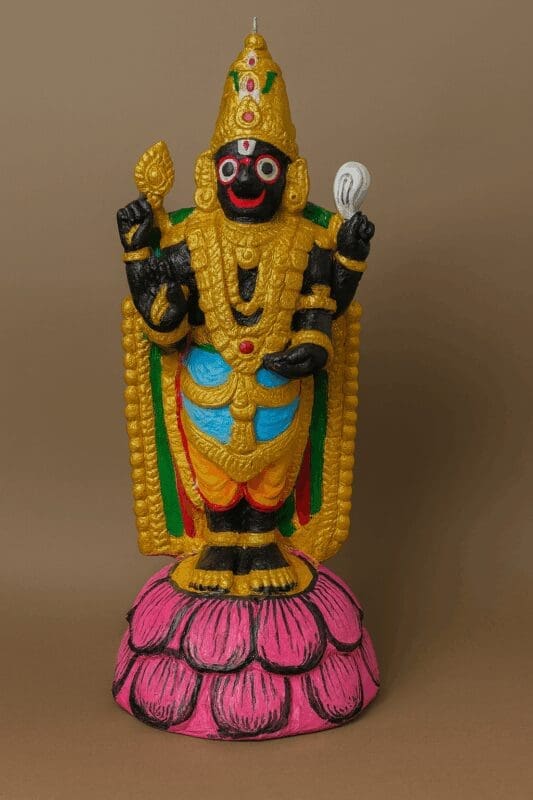
Nava Graha Marbal Murti
₹ 27,375.00
-
×
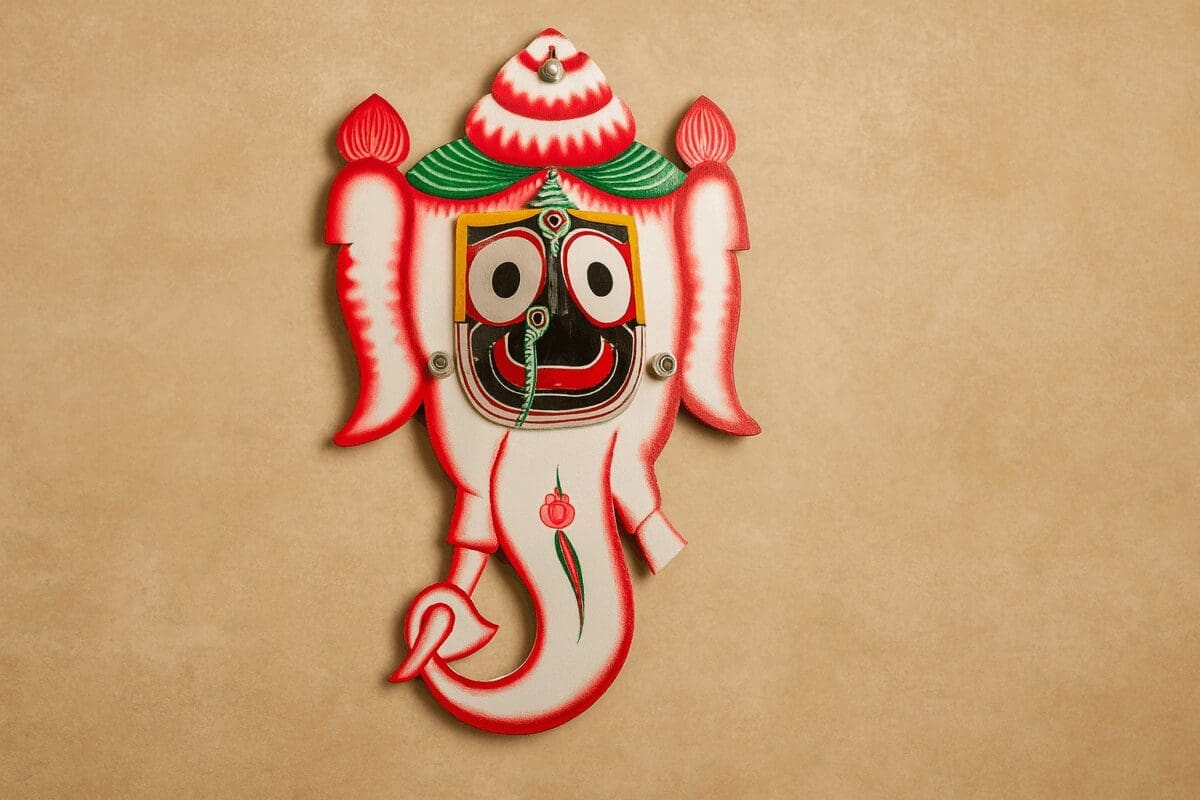
Ancient Tribal Art
₹ 3,375.00
-
×
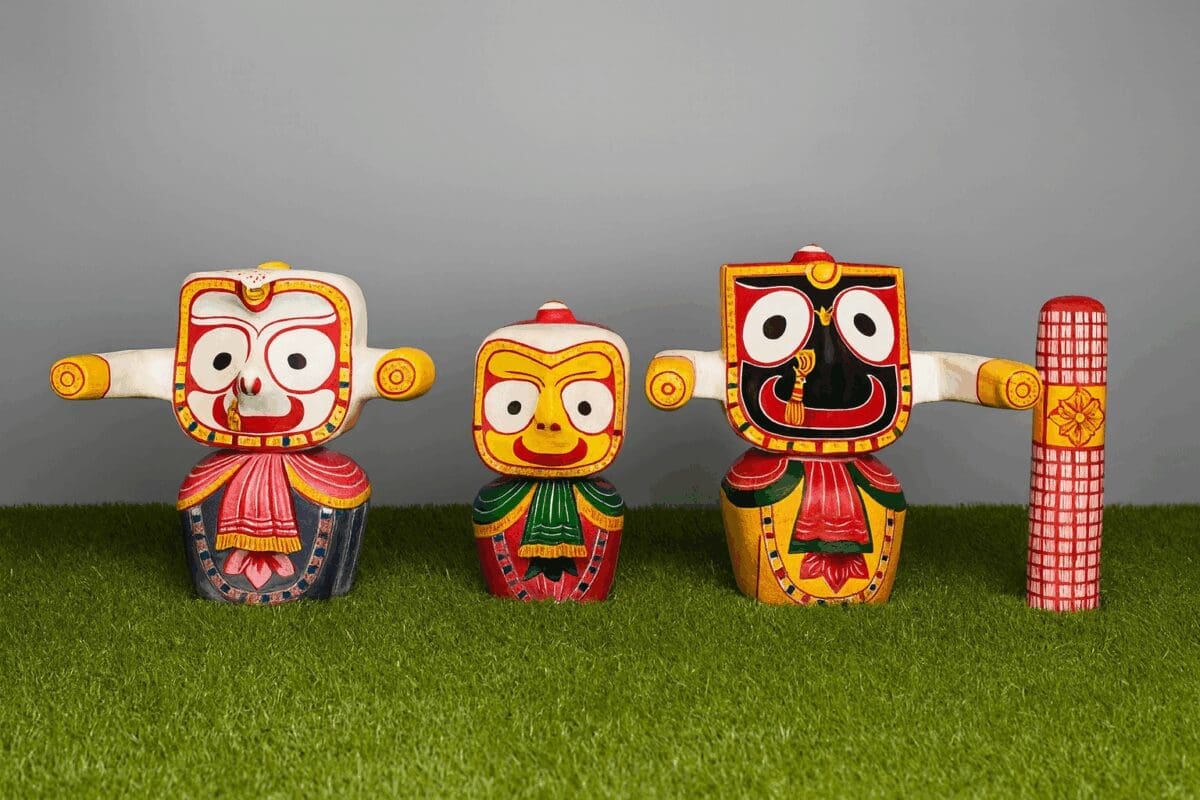
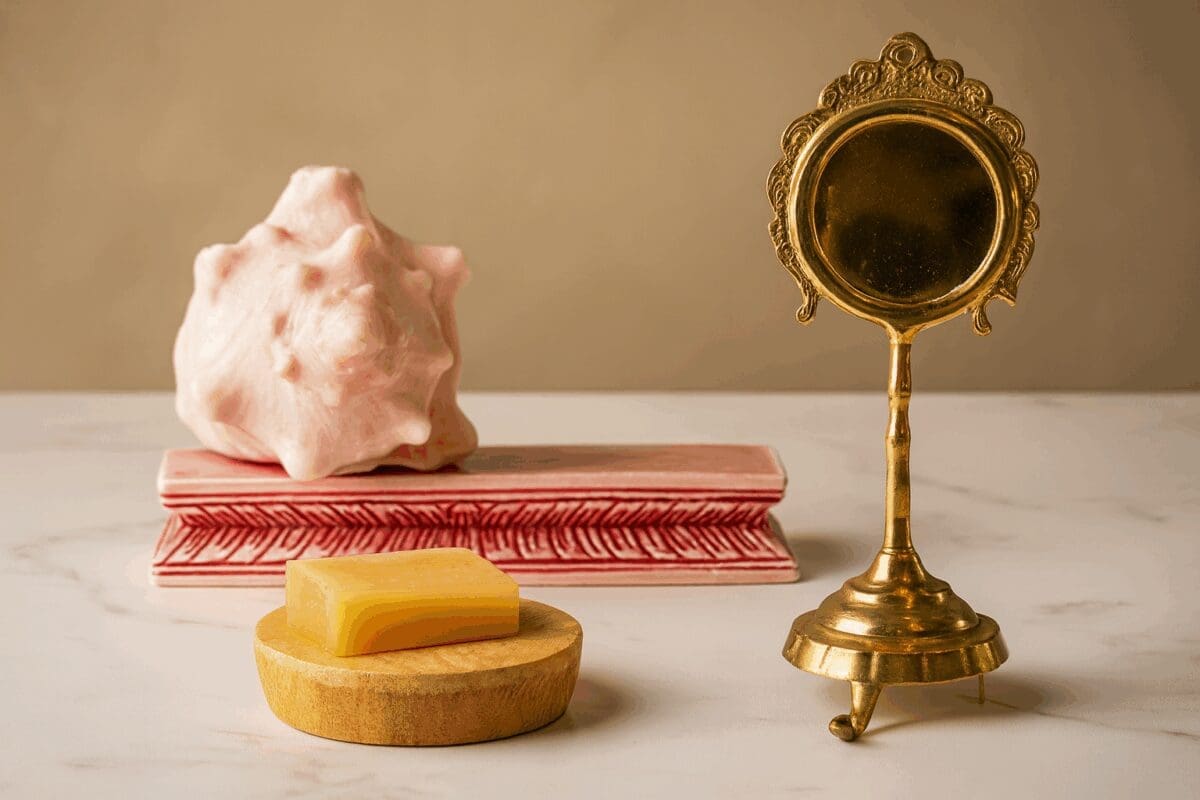
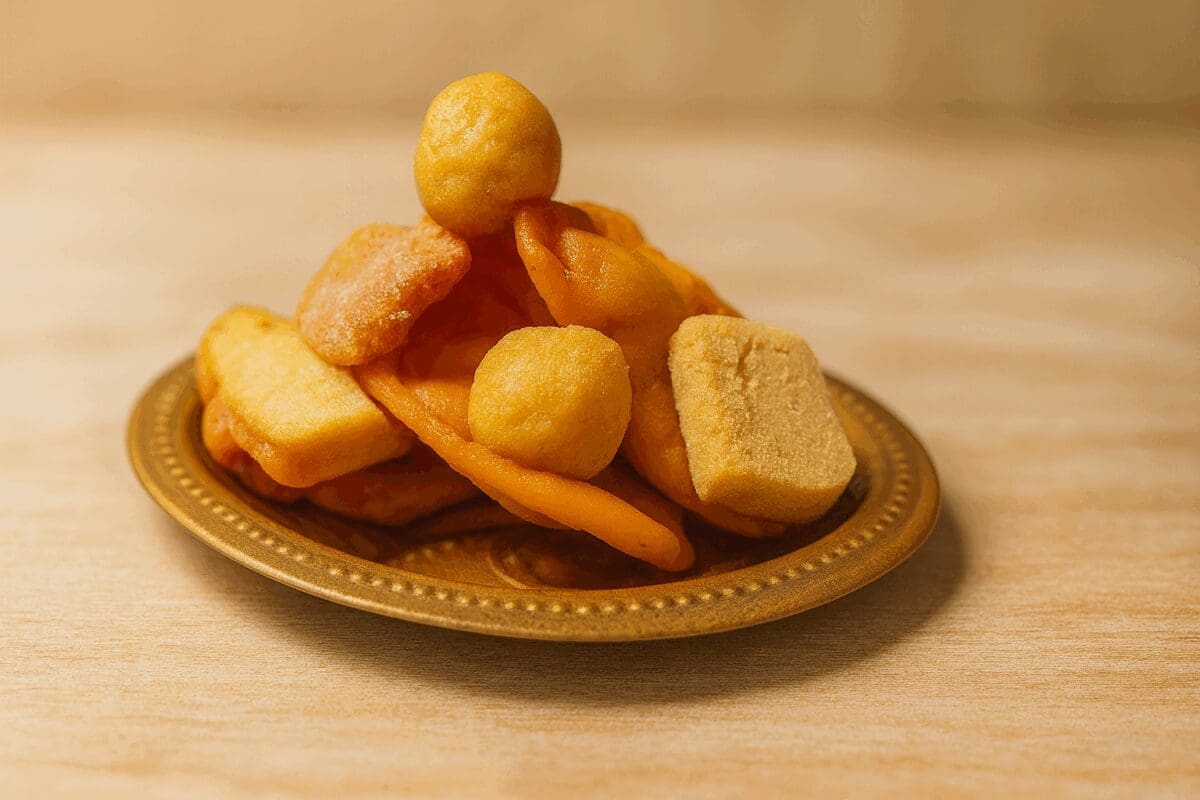
Niladrinath Gift Hamper
₹ 8,899.00
-
×
Aguru : The natural Perfume for Mahaprabhu
₹ 799.00
-
×
Nila Chakra Locket (Silver)
₹ 3,209.00
-
×
Ancient Tribal Art
₹ 2,125.00
-
×
Nila Chakra Gopuram (Brass Made )
₹ 4,345.00
-
×
The divine Tulasi Kanthi Mali
₹ 329.00
-
×
Wooden Patitapawan temple
₹ 1,518.00
-
×
Shri Jagannath Locket(Black)
₹ 875.00
-
×
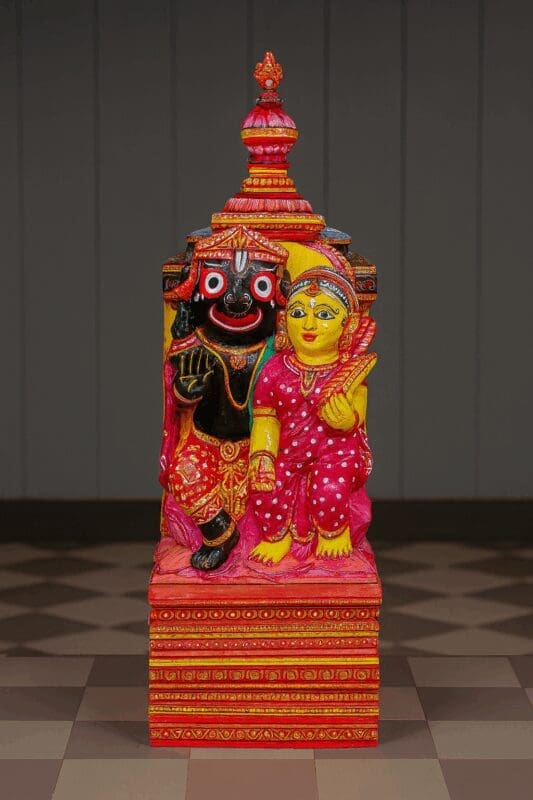
Shri Jagannath's Marable Murti
₹ 1,699.92
-
×
Shri Gita gobindam Book
₹ 999.00
-
×
Rudraksha Rupam
₹ 1,500.00
 Premium Bije kahali
  Justkalinga.com Traditional Jodo (Dhoti + Uttariya)
  Shri Jagannath's Locket(Silver)
  Panchatrirth Water
  Golden Radiance jagannath Trio
  Nava Graha Marbal Murti
  Ancient Tribal Art
  Niladrinath Gift Hamper
  Aguru : The natural Perfume for Mahaprabhu
  Nila Chakra Locket (Silver)
  Ancient Tribal Art
  Nila Chakra Gopuram (Brass Made )
 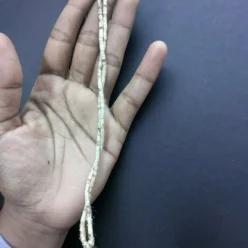 The divine Tulasi Kanthi Mali
 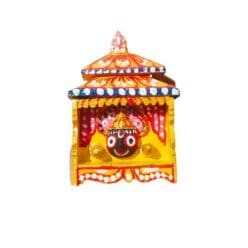 Wooden Patitapawan temple
  Shri Jagannath Locket(Black)
  Shri Jagannath's Marable Murti
  Shri Gita gobindam Book
  Rudraksha Rupam
 You may be interested in…
-
Add
Niradrinath gift hamper
Original price was: ₹ 2,799.00.₹ 1,859.00Current price is: ₹ 1,859.00.
-
Add
This product has multiple variants. The options may be chosen on the product page
Half-Shirt(Male)
From ₹ 1,499.00
-
Add
This product has multiple variants. The options may be chosen on the product page
Grace Shawl for Pooja/fastival moments and Temple Visit
From ₹ 675.00
-
Add
This product has multiple variants. The options may be chosen on the product page
Sun-Moon Flag From Shrikhetra Dham
From ₹ 239.00
-
Add
This product has multiple variants. The options may be chosen on the product page
The divine Japa Mali
From ₹ 1,239.00