
-
×
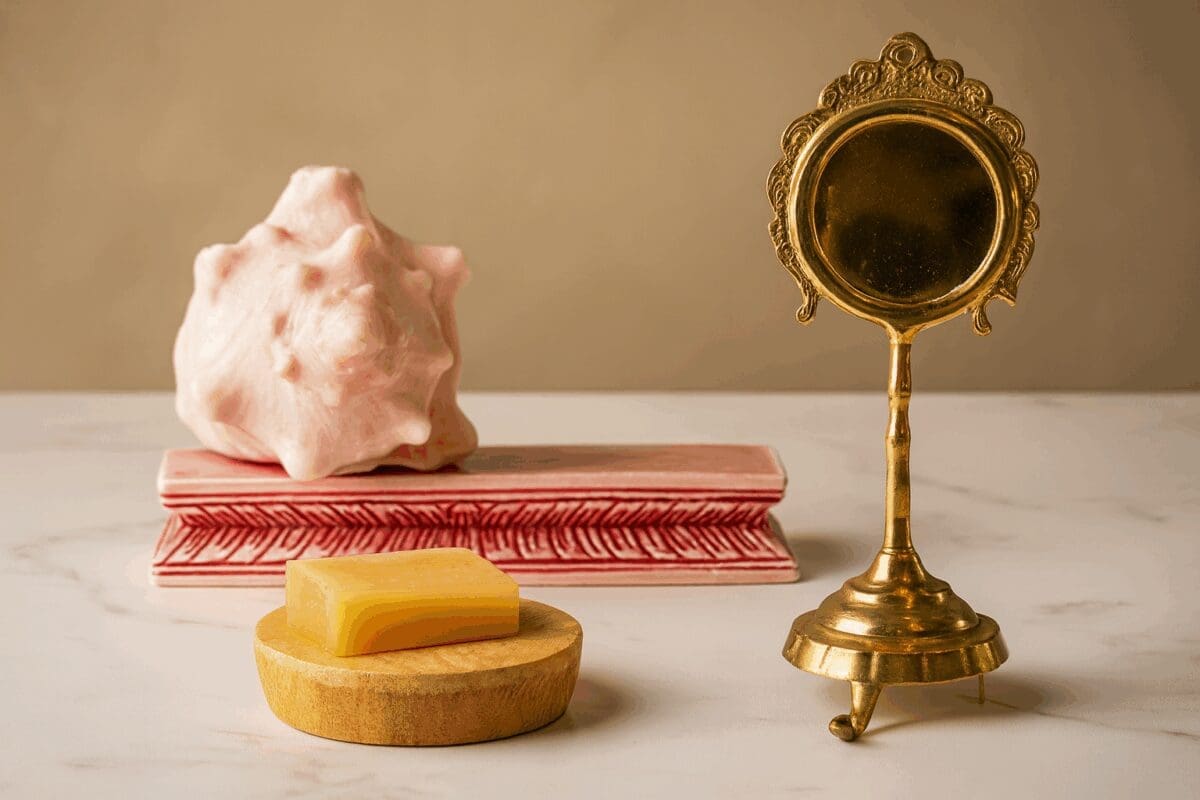
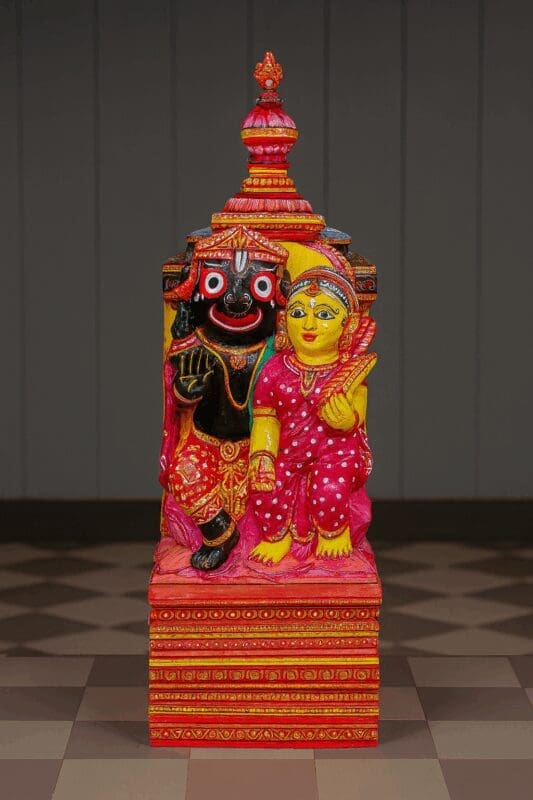
 Snan Darpan: for Shri Jagannath mahaprabhu's bathing rituals
₹ 14,247.00
Snan Darpan: for Shri Jagannath mahaprabhu's bathing rituals
₹ 14,247.00 -
×
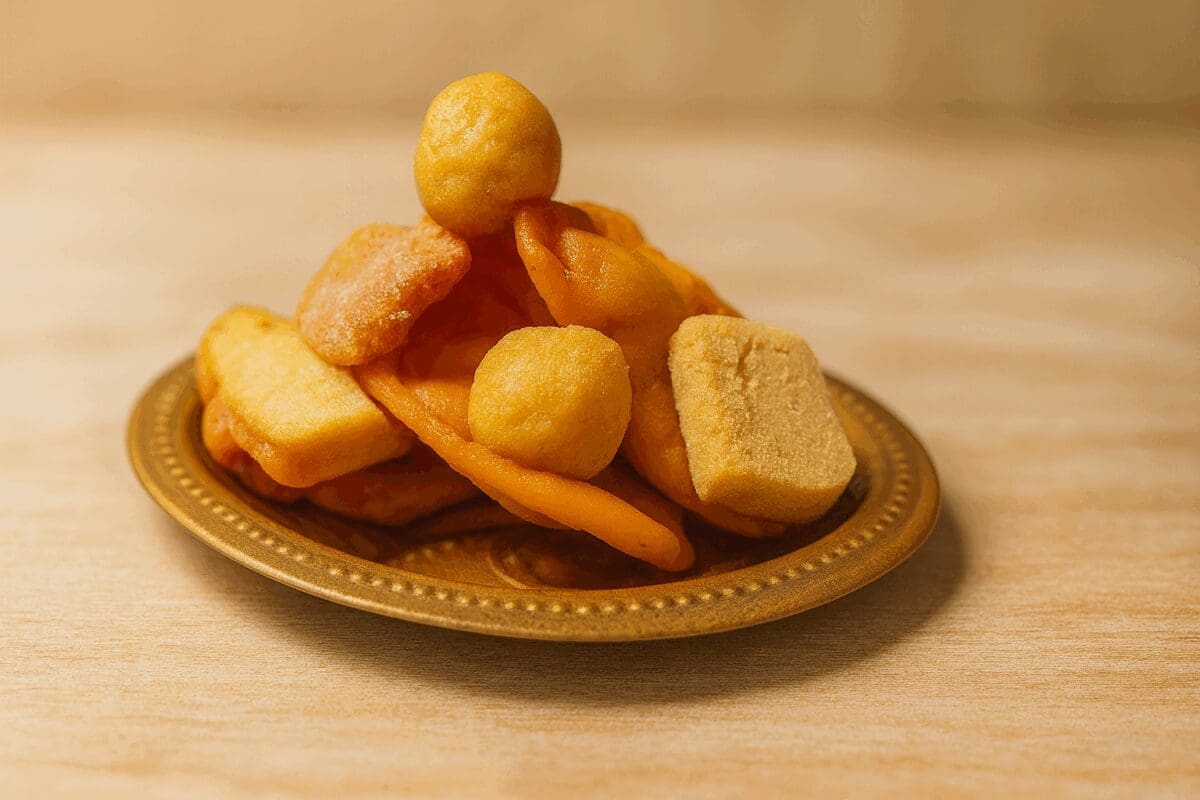
 Premium Bije kahali
₹ 1,799.00
Premium Bije kahali
₹ 1,799.00 -
×
Dakhinabarti sankha (Small Size)
₹ 2,498.00
-
×
Silver Jagannath photo frame
₹ 2,225.00
-
×
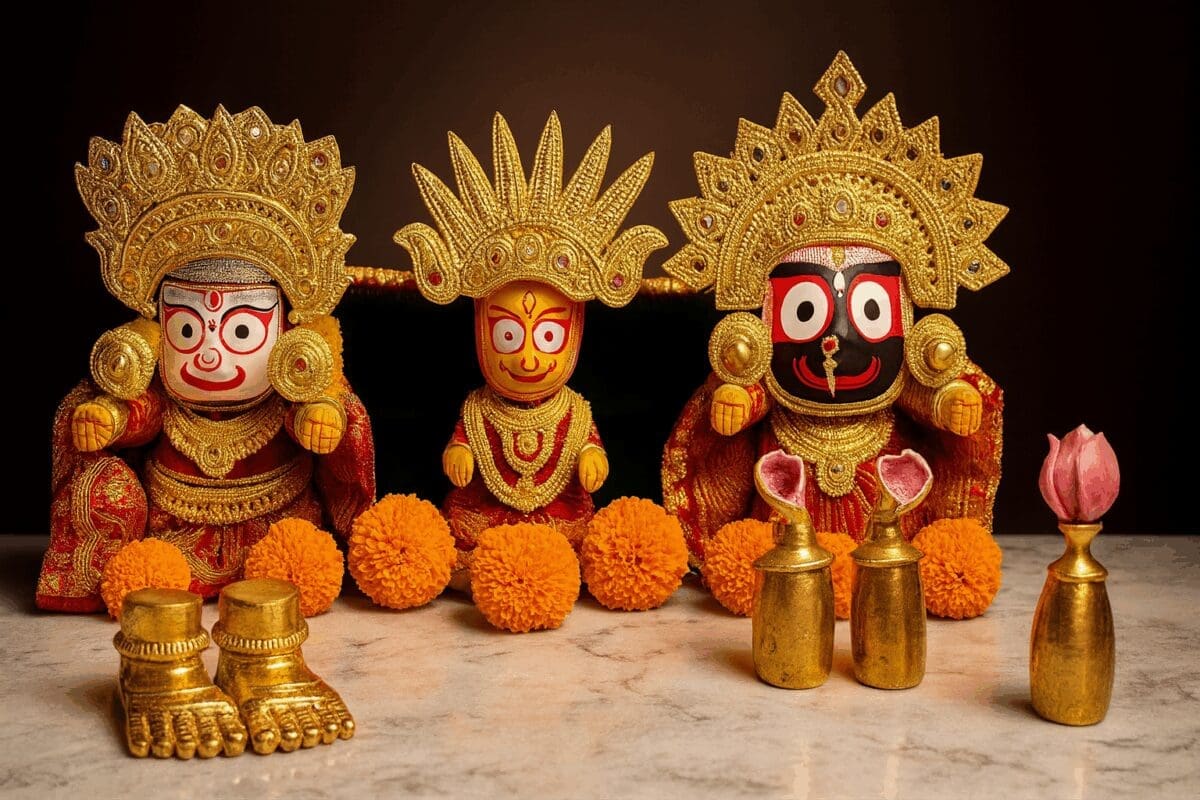
Niladrinath Gift Hamper
₹ 8,899.00
-
×
key Chain
₹ 225.00
-
×
The divine Tulasi Kanthi Mali
₹ 599.00
-
×
Krishnna Rupam
₹ 1,249.00
-
×
Handmade Wooden Pen Stand
₹ 879.00
-
×
Aguru : The natural Perfume for Mahaprabhu
₹ 799.00
-
×
Chandan lagi seva(sandal wood)
₹ 2,356.00
-
×
Niradrinath gift hamper
₹ 1,859.00
 Premium Bije kahali
  Dakhinabarti sankha (Small Size)
  Silver Jagannath photo frame
 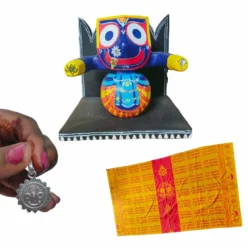 Niladrinath Gift Hamper
  key Chain
  The divine Tulasi Kanthi Mali
  Krishnna Rupam
  Handmade Wooden Pen Stand
 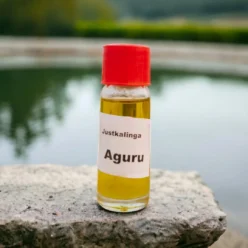 Aguru : The natural Perfume for Mahaprabhu
 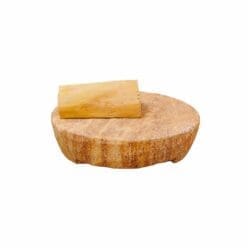 Chandan lagi seva(sandal wood)
 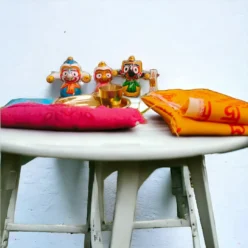 Niradrinath gift hamper
 You may be interested in…
-
Add
This product has multiple variants. The options may be chosen on the product page
Grace Shawl for Pooja/fastival moments and Temple Visit
From ₹ 675.00
-
Add
This product has multiple variants. The options may be chosen on the product page
Castor Oil For Your Pooja
From ₹ 255.00