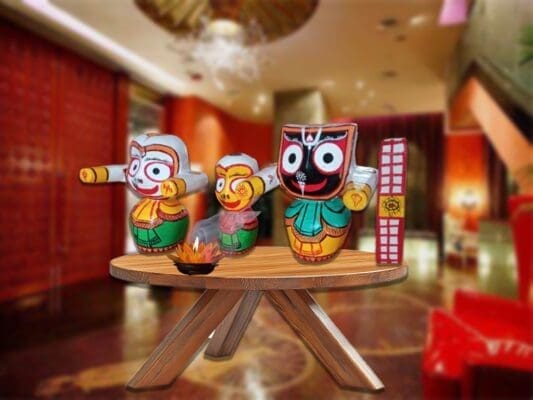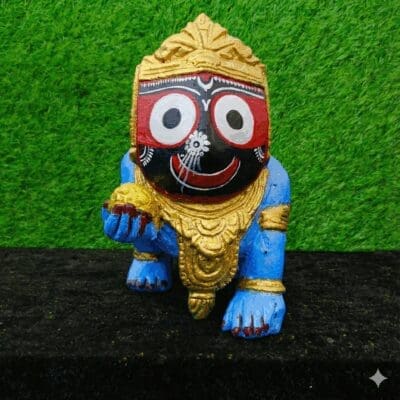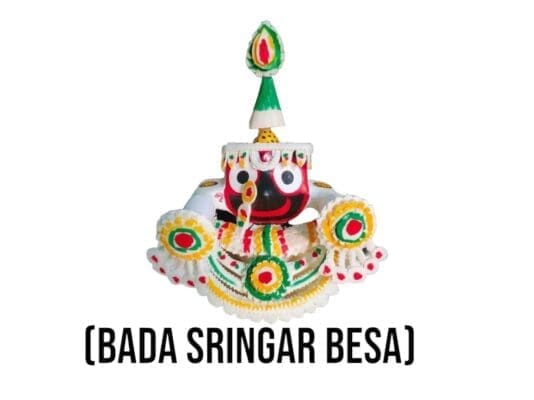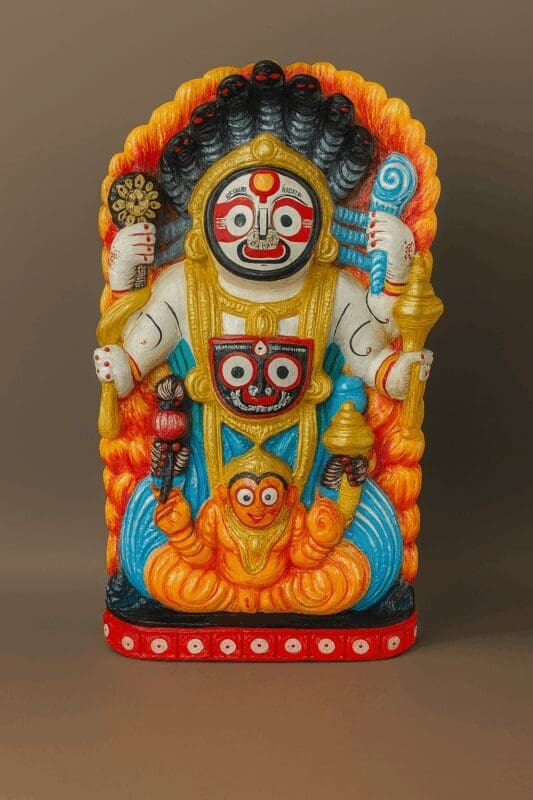

-
×
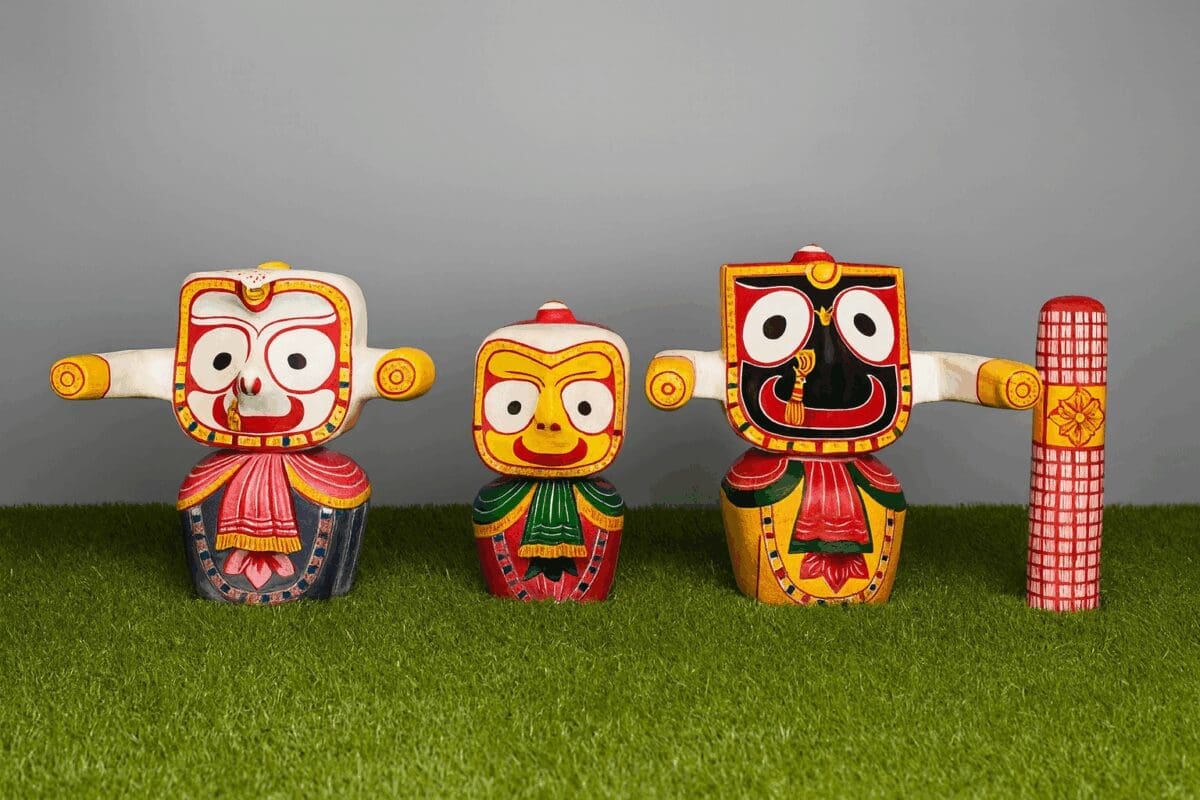
 Ancient Tribal Art
₹ 2,125.00
Ancient Tribal Art
₹ 2,125.00 -
×
 Mahaprabhu's Car Sticker
₹ 249.92
Mahaprabhu's Car Sticker
₹ 249.92 -
×
Shri Krishna Stone Murti
₹ 1,874.00
-
×
Premium Bije kahali
₹ 12,593.00
-
×
Justkalinga.com Traditional Jodo (Dhoti + Uttariya)
₹ 11,098.00
-
×
Krishna Rupam
₹ 18,299.00
-
×
Ancient Tribal Art
₹ 3,898.00
-
×
Silver locket
₹ 3,389.00
-
×
Aguru : The natural Perfume for Mahaprabhu
₹ 1,598.00
-
×
The divine Tulasi Kanthi Mali
₹ 599.00
-
×
Wooden Patitapawan temple
₹ 2,277.00
-
×
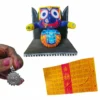
Niradrinath gift hamper
₹ 1,859.00
-
×
Goddes Laxmi Annd God Vishu Koudi
₹ 799.92
-
×
Shri Ganesh Pink Stone Murti
₹ 3,439.00
-
×
Ganapati Shankha
₹ 3,624.00
 Mahaprabhu's Car Sticker
  Shri Krishna Stone Murti
 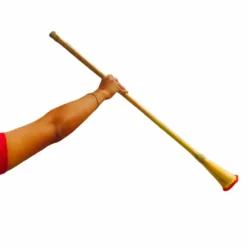 Premium Bije kahali
  Justkalinga.com Traditional Jodo (Dhoti + Uttariya)
  Krishna Rupam
 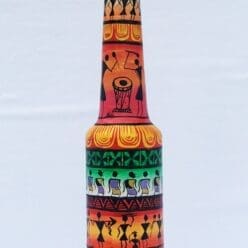 Ancient Tribal Art
 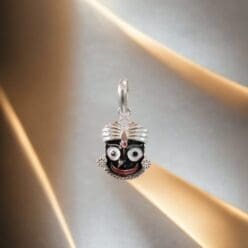 Silver locket
 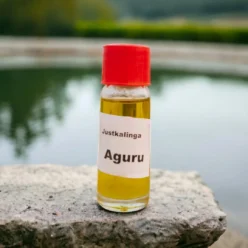 Aguru : The natural Perfume for Mahaprabhu
  The divine Tulasi Kanthi Mali
 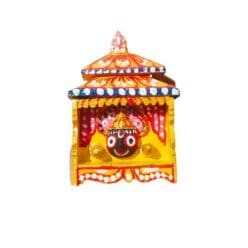 Wooden Patitapawan temple
 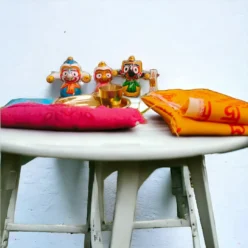 Niradrinath gift hamper
  Goddes Laxmi Annd God Vishu Koudi
 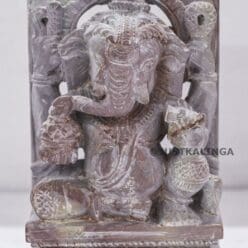 Shri Ganesh Pink Stone Murti
  Ganapati Shankha
 You may be interested in…
-
Add
Niladrinath Gift Hamper
Original price was: ₹ 10,599.00.₹ 8,899.00Current price is: ₹ 8,899.00.
-
Add
This product has multiple variants. The options may be chosen on the product page
Grace Shawl for Pooja/fastival moments and Temple Visit
From ₹ 675.00
-
Add
This product has multiple variants. The options may be chosen on the product page
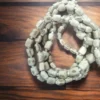
The divine Japa Mali
From ₹ 1,239.00
-
Add
This product has multiple variants. The options may be chosen on the product page
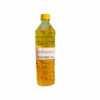
Castor Oil For Your Pooja
From ₹ 255.00
-
Add
Chandan lagi seva(sandal wood)
Original price was: ₹ 2,599.00.₹ 2,356.00Current price is: ₹ 2,356.00.