
-
×
 Locket
₹ 2,637.00
Locket
₹ 2,637.00 -
×
 Snan Darpan: for Shri Jagannath mahaprabhu's bathing rituals
₹ 4,749.00
Snan Darpan: for Shri Jagannath mahaprabhu's bathing rituals
₹ 4,749.00 -
×
Ancient Tribal Art
₹ 3,375.00
-
×
Alat: The divines hand fan
₹ 10,745.00
-
×
Sankha Glass framed
₹ 1,879.00
-
×
Niradrinath gift hamper
₹ 1,859.00
-
×
Nila Madhav Combo
₹ 54,236.00
-
×
Justkalinga.com Traditional Jodo (Dhoti + Uttariya)
₹ 27,745.00
-
×
Sankha
₹ 9,125.00
-
×
Niladrinath Gift Hamper
₹ 71,192.00
-
×
Shri Jagannath's photo frame with ratna singhashan
₹ 2,689.00
-
×
Lord Jagannath Car Sticker
₹ 349.00
-
×
Chandan lagi seva(sandal wood)
₹ 4,712.00
-
×
Shri Krishna Stone Murti
₹ 1,874.00
-
×
Goddes Laxmi Annd God Vishu Koudi
₹ 1,599.84
-
×
Tulasi Plant Pot
₹ 1,999.00
-
×
The divine Tulasi Kanthi Mali
₹ 599.00
-
×
Moti Sankha
₹ 2,479.00
-
×
Nila Chakra Gopuram (Brass Made )
₹ 4,345.00
-
×
Lotus Diya
₹ 999.00
 Snan Darpan: for Shri Jagannath mahaprabhu's bathing rituals
  Ancient Tribal Art
  Alat: The divines hand fan
  Sankha Glass framed
  Niradrinath gift hamper
  Nila Madhav Combo
  Justkalinga.com Traditional Jodo (Dhoti + Uttariya)
 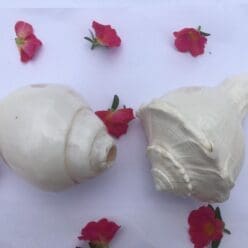 Sankha
  Niladrinath Gift Hamper
  Shri Jagannath's photo frame with ratna singhashan
  Lord Jagannath Car Sticker
  Chandan lagi seva(sandal wood)
 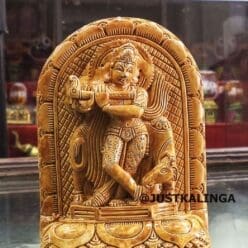 Shri Krishna Stone Murti
  Goddes Laxmi Annd God Vishu Koudi
  Tulasi Plant Pot
  The divine Tulasi Kanthi Mali
  Moti Sankha
  Nila Chakra Gopuram (Brass Made )
 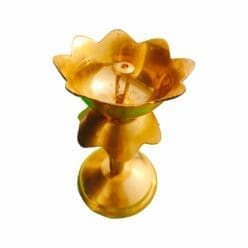 Lotus Diya
 You may be interested in…
-
Add
Badge
Original price was: ₹ 2,599.00.₹ 2,045.00Current price is: ₹ 2,045.00.
-
Add
This product has multiple variants. The options may be chosen on the product page
Grace Shawl for Pooja/fastival moments and Temple Visit
From ₹ 675.00
-
Add
This product has multiple variants. The options may be chosen on the product page
Sun-Moon Flag From Shrikhetra Dham
From ₹ 239.00
-
Add
This product has multiple variants. The options may be chosen on the product page
The divine Japa Mali
From ₹ 1,239.00
-
Add
This product has multiple variants. The options may be chosen on the product page
Chandan Pedi
From ₹ 599.00