
-
×
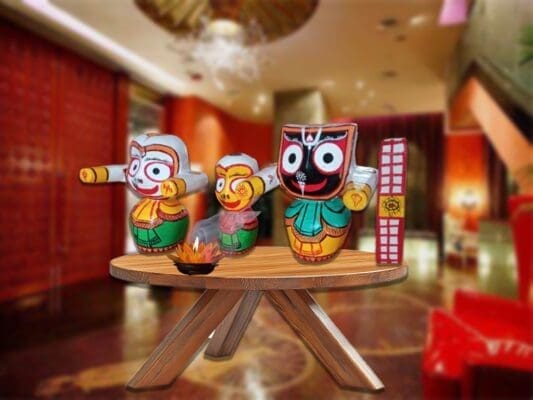
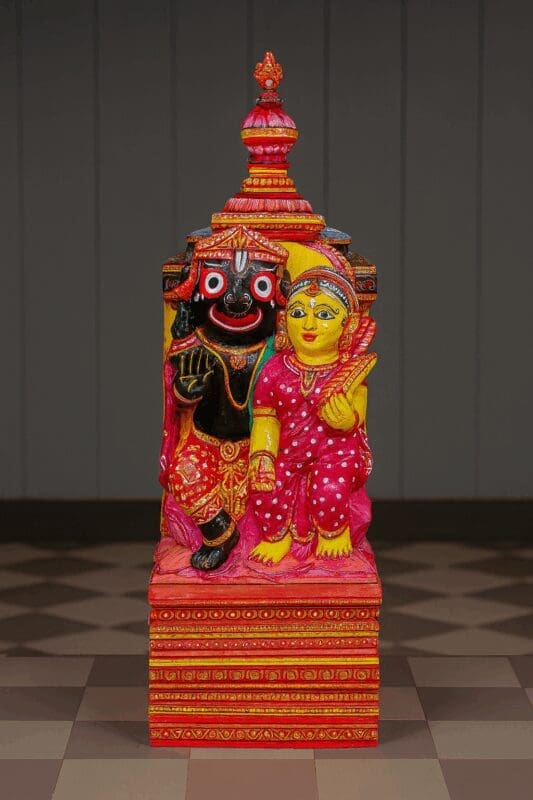
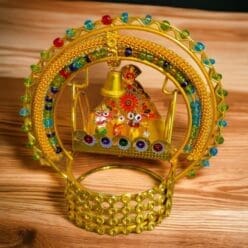 Jagannath mahaprabhus Jhulana Palinki
₹ 498.00
Jagannath mahaprabhus Jhulana Palinki
₹ 498.00 -
×
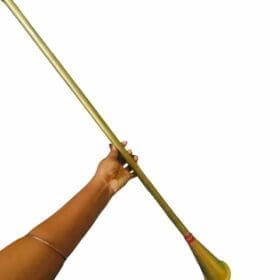
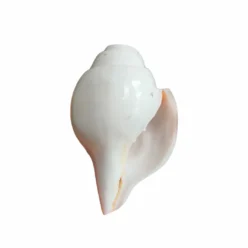
 Dhanwani sankha(Blowing Sankha)
₹ 1,874.00
Dhanwani sankha(Blowing Sankha)
₹ 1,874.00 -
×
Beautiful Yellow Silk Joda Cloth For Men
₹ 25,987.00
-
×
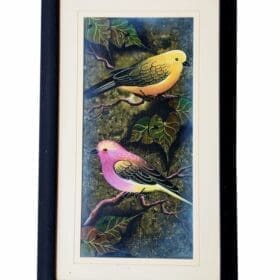
2 Birds symbol of live and friendship Hand Imaginative art
₹ 5,141.00
-
×
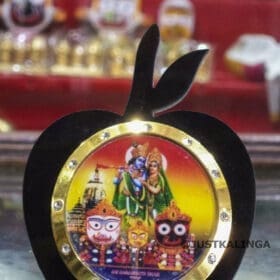
Radha Krishna photo stand
₹ 1,750.00
-
×
Dakhinabarti sankha (Small Size)
₹ 4,996.00
-
×
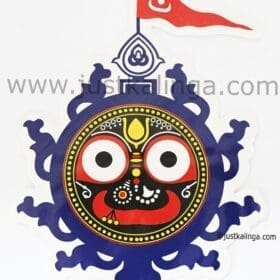
Lord Jagannath Car Sticker
₹ 349.00
-
×
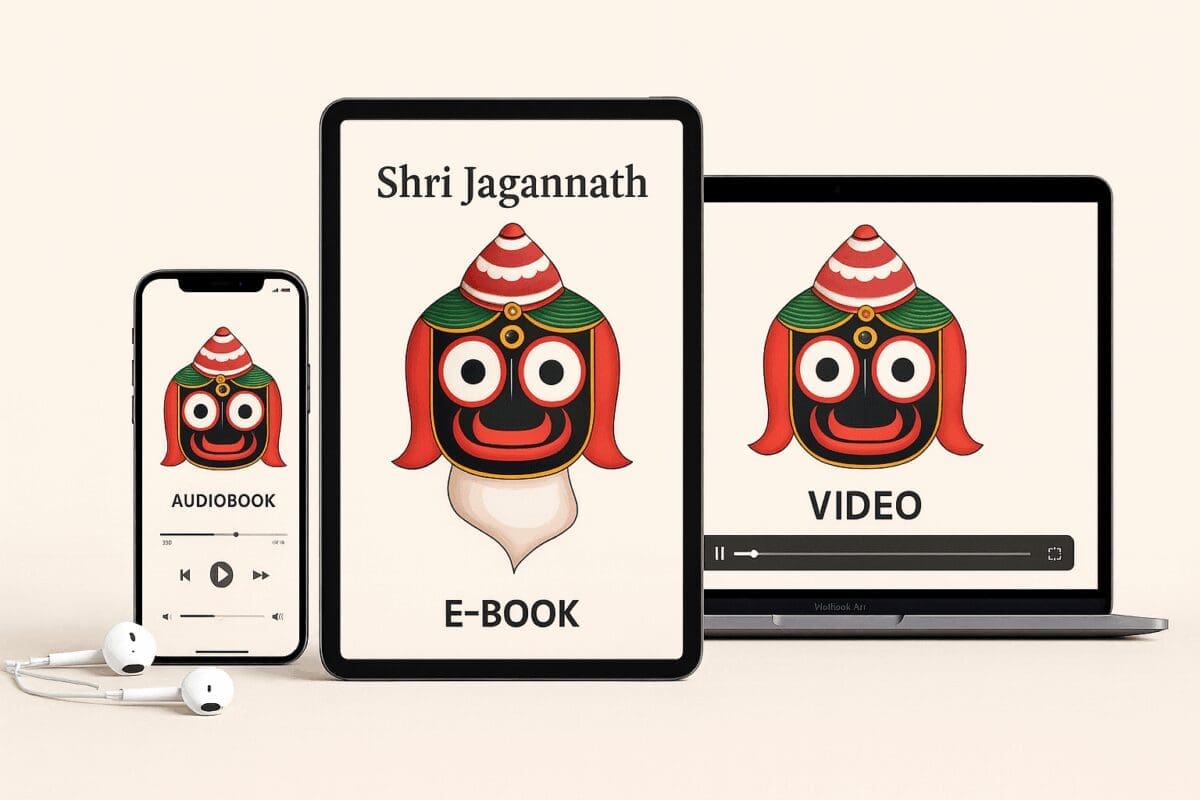
Important Daily Puja audio of shri jagannath mahaprabhu
₹ 874.00
-
×
Natural Light Filters
₹ 6,875.00
-
×
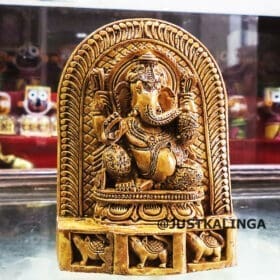
Shri Ganesh marble Murti
₹ 1,879.00
-
×
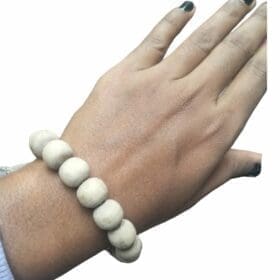
Beautiful Tulasi Wood Bracelet
₹ 1,299.00
-
×
Shri Jagannath's Locket(Silver)
₹ 3,064.00
-
×
Palm Leaf Lord Jagannath Lamp Shades Combo of 6 no's
₹ 4,729.00
-
×
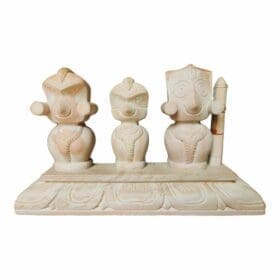
Shri Chatrudha Mahaprabhu Pink Stone Murti
₹ 6,239.00
-
×
Alat: The divines hand fan
₹ 2,199.00
-
×
Bije kahali For Shri Jagannath Mahaprabhu
₹ 5,996.00
-
×
Justkalinga.com Traditional Jodo (Dhoti + Uttariya)
₹ 11,098.00
-
×
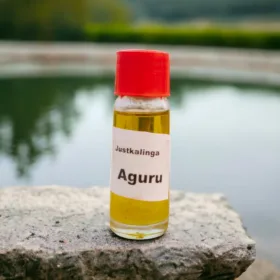
Aguru : The natural Perfume for Mahaprabhu
₹ 3,196.00
-
×
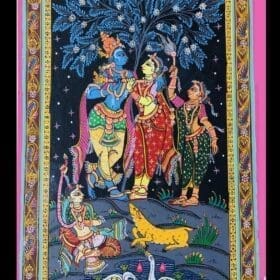
Lord Krishna Rasolila Patachitra Painting
₹ 3,478.00
-
×
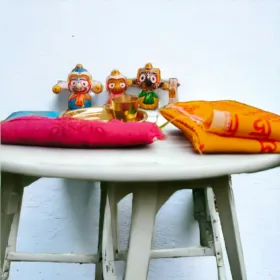
Niladrinath Gift Hamper
₹ 17,798.00
-
×
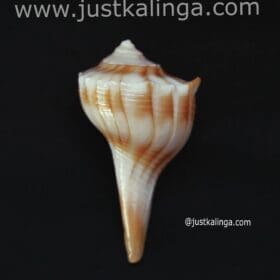
The beautifully painted conch
₹ 999.00
-
×
Ancient Tribal Art
₹ 3,499.00
-
×
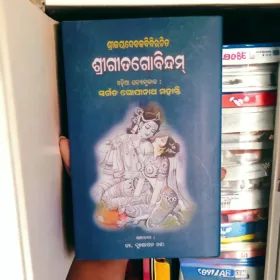
Shri Gita gobindam Book
₹ 1,998.00
-
×
Handmade Wooden Pen Stand
₹ 879.00
-
×
Niradrinath gift hamper
₹ 3,718.00
-
×
The divine Tulasi Kanthi Mali
₹ 599.00
-
×
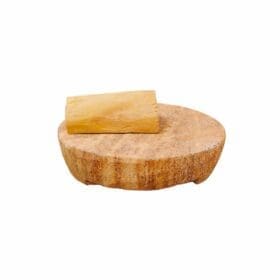
Chandan lagi seva(sandal wood)
₹ 4,712.00
-
×
The origin story of Shri Jagannath
₹ 499.00
-
×
Nava Graha Marbal Murti
₹ 27,375.00
-
×
Beutiful shri jagannath Mahaprabhu Car/wall hanging
₹ 300.00
-
×
Panchamukhi Sankha
₹ 5,312.00
 Dhanwani sankha(Blowing Sankha)
 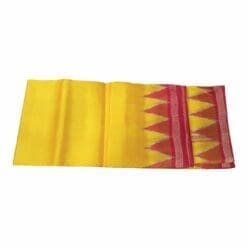 Beautiful Yellow Silk Joda Cloth For Men
  2 Birds symbol of live and friendship Hand Imaginative art
 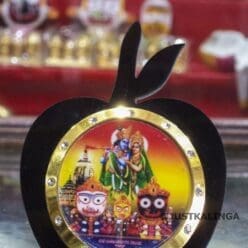 Radha Krishna photo stand
  Dakhinabarti sankha (Small Size)
 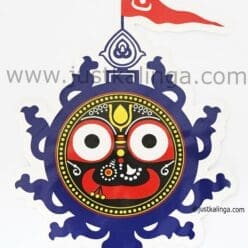 Lord Jagannath Car Sticker
  Important Daily Puja audio of shri jagannath mahaprabhu
 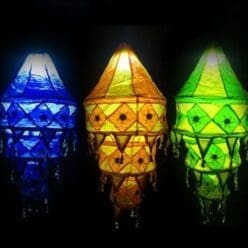 Natural Light Filters
  Shri Ganesh marble Murti
 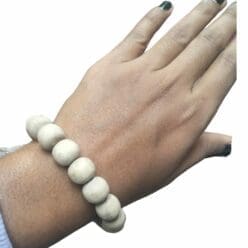 Beautiful Tulasi Wood Bracelet
  Shri Jagannath's Locket(Silver)
  Palm Leaf Lord Jagannath Lamp Shades Combo of 6 no's
 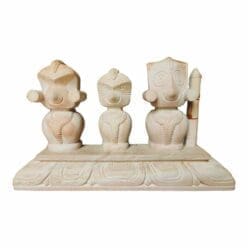 Shri Chatrudha Mahaprabhu Pink Stone Murti
  Alat: The divines hand fan
  Bije kahali For Shri Jagannath Mahaprabhu
  Justkalinga.com Traditional Jodo (Dhoti + Uttariya)
 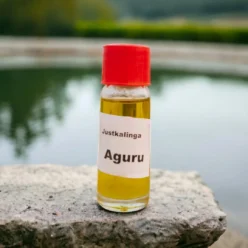 Aguru : The natural Perfume for Mahaprabhu
 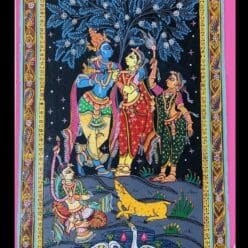 Lord Krishna Rasolila Patachitra Painting
 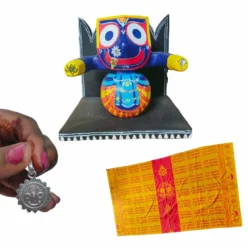 Niladrinath Gift Hamper
 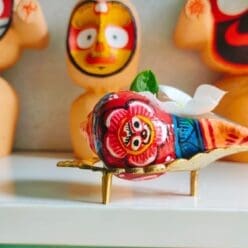 The beautifully painted conch
  Ancient Tribal Art
 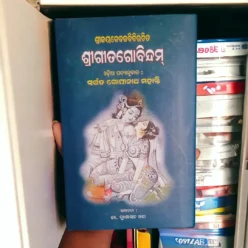 Shri Gita gobindam Book
  Handmade Wooden Pen Stand
 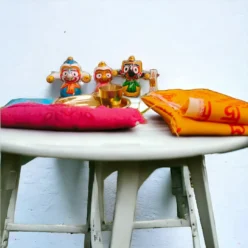 Niradrinath gift hamper
  The divine Tulasi Kanthi Mali
 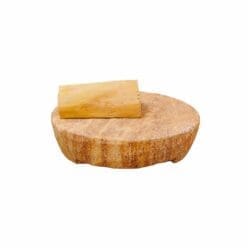 Chandan lagi seva(sandal wood)
  The origin story of Shri Jagannath
  Nava Graha Marbal Murti
  Beutiful shri jagannath Mahaprabhu Car/wall hanging
 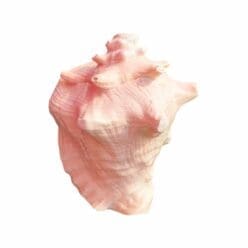 Panchamukhi Sankha
 You may be interested in…
-
Add
This product has multiple variants. The options may be chosen on the product page
Shri Jagannath grace Blazer
From ₹ 6,159.00
-
Add
Badge
Original price was: ₹ 299.00.₹ 219.00Current price is: ₹ 219.00.
-
Add
This product has multiple variants. The options may be chosen on the product page
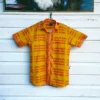
Half-Shirt(Male)
From ₹ 1,499.00
-
Add
This product has multiple variants. The options may be chosen on the product page
Grace Shawl for Pooja/fastival moments and Temple Visit
From ₹ 675.00
-
Add
This product has multiple variants. The options may be chosen on the product page
Sun-Moon Flag From Shrikhetra Dham
From ₹ 239.00