
-
×
 Dhyana Yantra
₹ 105,625.00
Dhyana Yantra
₹ 105,625.00 -
×
 King Jagannath Locket
₹ 1,374.00
King Jagannath Locket
₹ 1,374.00 -
×
Shri Jagannath Alankrut Locket
₹ 2,695.00
-
×
Ancient Tribal Art
₹ 6,998.00
-
×
Nila Chakra Gopuram (Brass Made )
₹ 4,345.00
-
×
Big size Brass hands, Feet and weapons
₹ 298,000.00
-
×
The beautifully painted conch
₹ 999.00
-
×
Simple Puja Paddhati PDF
₹ 59.00
-
×
Ancient Tribal Art
₹ 4,498.00
-
×
Neem wood Japa mala
₹ 539.00
-
×
Mahaprabhu Marbles Art Idol
₹ 1,249.00
-
×
Shri Jagannath Round face Locket
₹ 1,150.00
-
×
"Shri Jagannath Puran Kritan" Audio One to Three Adhhaya(Part)
₹ 599.00
-
×
Shri Gita gobinda Dasha avatar Srotom
₹ 59.00
-
×
Shri Jagannath Eye Locket
₹ 564.00
-
×
"Shri Jagannath Sahasranama Puja" Audio
₹ 649.00
-
×
Lotus Asan For Shri Jagannath Mahaprabhu
₹ 499.00
-
×
Dhanwani sankha(Blowing Sankha)
₹ 1,874.00
-
×
Netrostav Mantras of Shri Chaturtha (PDF Files)
₹ 72.00
-
×
Nilachakra Jagannath Locket
₹ 1,665.00
-
×
Ganapati Shankha
₹ 3,624.00
-
×
Dakhinabarti sankha
₹ 1,399.00
-
×
Laxmi Rupam
₹ 2,499.00
-
×
Shri Jagannath Locket
₹ 549.00
-
×
Snan Darpan: for Shri Jagannath mahaprabhu's bathing rituals
₹ 4,749.00
-
×
Gaumukhi sankha
₹ 6,874.00
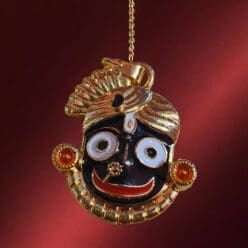 King Jagannath Locket
 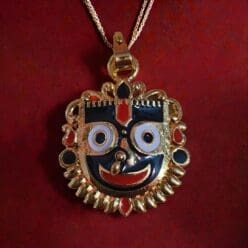 Shri Jagannath Alankrut Locket
  Ancient Tribal Art
  Nila Chakra Gopuram (Brass Made )
 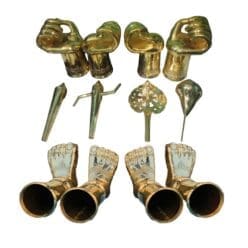 Big size Brass hands, Feet and weapons
 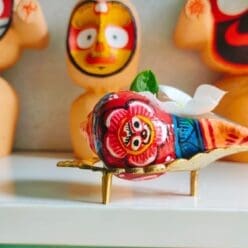 The beautifully painted conch
  Simple Puja Paddhati PDF
  Ancient Tribal Art
 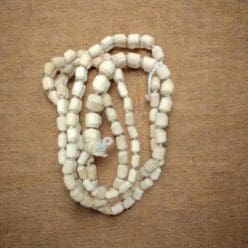 Neem wood Japa mala
 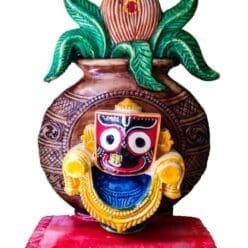 Mahaprabhu Marbles Art Idol
  Shri Jagannath Round face Locket
  "Shri Jagannath Puran Kritan" Audio One to Three Adhhaya(Part)
  Shri Gita gobinda Dasha avatar Srotom
 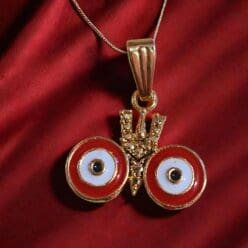 Shri Jagannath Eye Locket
  "Shri Jagannath Sahasranama Puja" Audio
 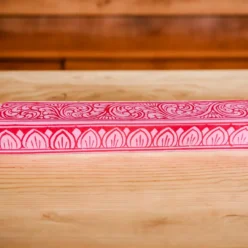 Lotus Asan For Shri Jagannath Mahaprabhu
 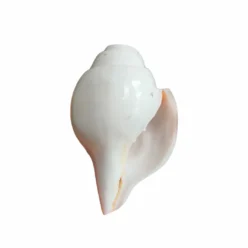 Dhanwani sankha(Blowing Sankha)
  Netrostav Mantras of Shri Chaturtha (PDF Files)
  Nilachakra Jagannath Locket
  Ganapati Shankha
 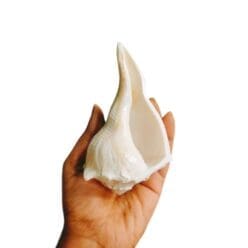 Dakhinabarti sankha
  Laxmi Rupam
 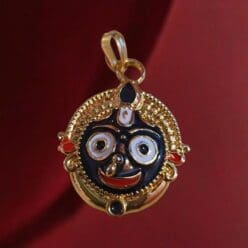 Shri Jagannath Locket
  Snan Darpan: for Shri Jagannath mahaprabhu's bathing rituals
 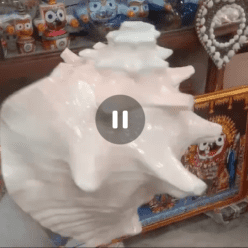 Gaumukhi sankha
 You may be interested in…
-
Add
Wooden Patitapawan temple
Original price was: ₹ 1,499.00.₹ 759.00Current price is: ₹ 759.00.
-
Add
This product has multiple variants. The options may be chosen on the product page
Grace Shawl for Pooja/fastival moments and Temple Visit
From ₹ 675.00
-
Add
This product has multiple variants. The options may be chosen on the product page
Sun-Moon Flag From Shrikhetra Dham
From ₹ 239.00
-
Add
This product has multiple variants. The options may be chosen on the product page
Stand For Sankha
From ₹ 325.00
-
Add
Beautiful Tulasi Wood Bracelet
Original price was: ₹ 1,609.00.₹ 1,299.00Current price is: ₹ 1,299.00.