At the heart of Puri, the Shri Jagannath Temple vibrates with a sacred rhythm, a daily dance of devotion known as Devaniti. This meticulous schedule, rooted in tradition and scriptural guidance, includes specific rituals such as dhupa (offerings), bhoga (feasts), avakasha (intermissions), and pahuda (rest). Let’s explore this profound expression of devotion, as performed for Lord Jagannath.
The Essence of the Devaniti
The Devaniti at the Shri Mandir follows specific guidelines documented in the Madala Panji. It involves a daily cycle of three dhupas, three bhogas, five avakashas, and two pahudas. The food offerings before being presented to the deity are called “amunia,” and become “bhoga” once they’re offered.
Dhupa (Offerings)
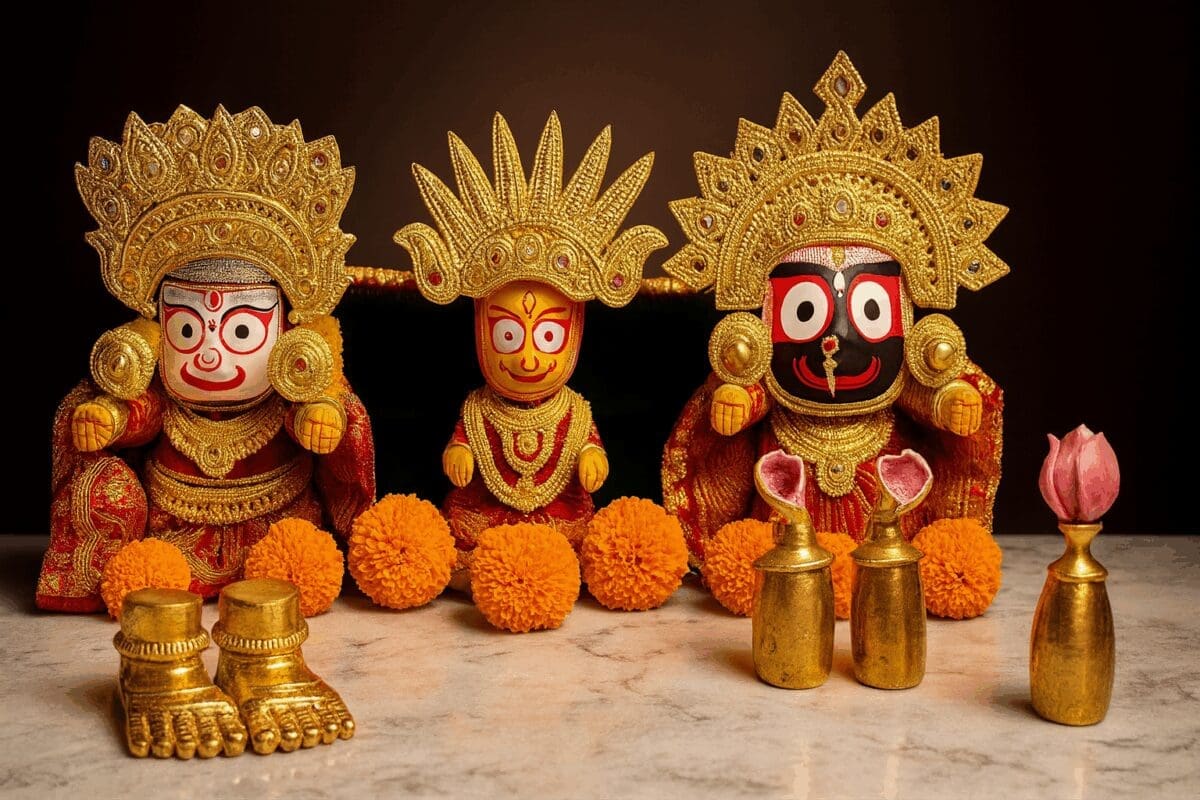
Dhupa refers to offerings made using the sixteen traditional upacharas (procedures). Each dhupa is preceded by the pratihara (attendant), who calls the bhoga and waits near the kitchen until the offerings are brought forth. Once the bhoga arrives, three pujapandas (priests), facing north, perform a ritual, worshipping Lord Balabhadra with the Dwadasakshara mantra (twelve-syllable Vasudeva mantra), Lord Jagannath with the Ashtadasakshara mantra (eighteen-syllable Gopala mantra or the Raj mantra), and Goddess Subhadra with the Bhubaneswari mantra.
The Three Main Dhupas:
-
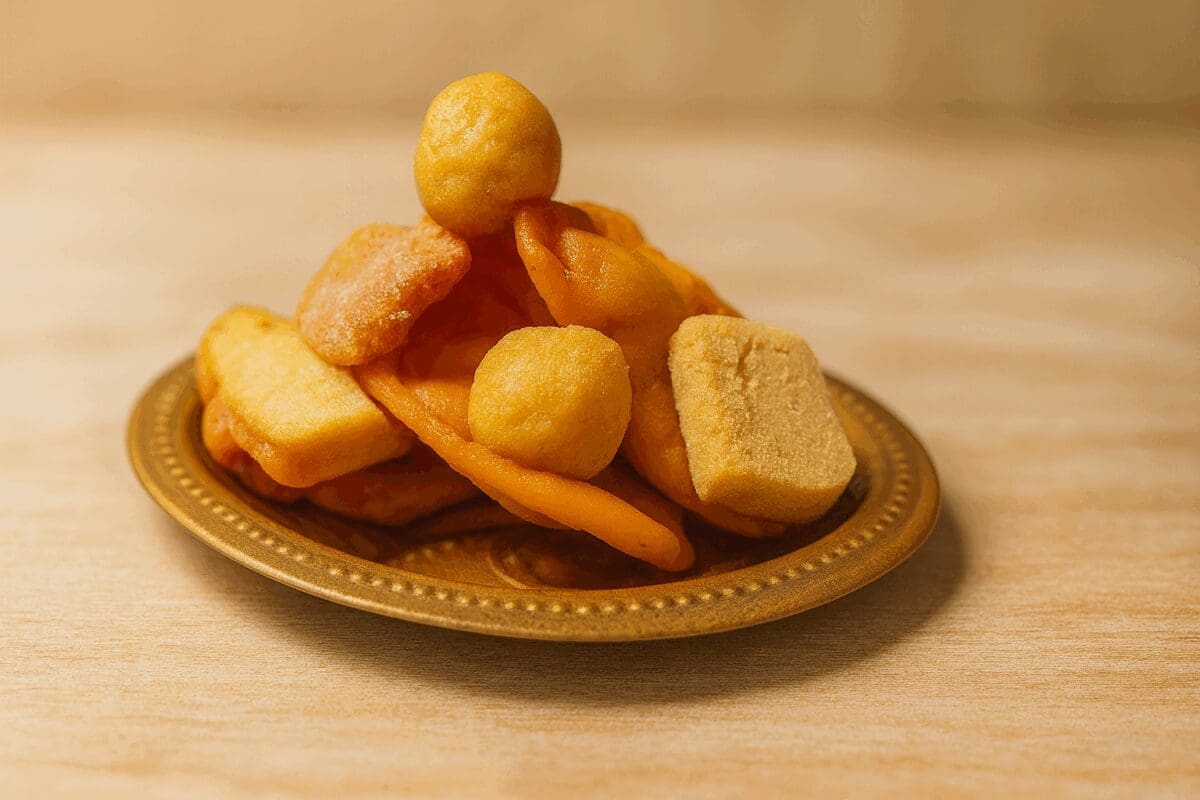
Sakala Dhupa (Morning Dhupa) (around 10:00 AM): The first offering of the day, presented with sixteen upacharas on the Ratna Bedi. Also known as Kotha Bhoga or Rajbhoga. This includes badakanti, sanakanti, enduri, pitha puli, mitha puli, dahi amalu, hansakeli, kakapua jhilli, adapachedi, bundia, bada kania, sana kania, khechudi, nukhura khechudi, sana khechudi, Shree Balabhadra khechudi, tail khechudi, mendha mundia, saga, and chanda.
-
Madhyahna Dhupa (Midday Dhupa) (12:30 PM – 1:00 PM): Offered after the third avakasha, involving sixteen upacharas. Includes badapitha, bada kakara, sana kakara, bada pushpalak arisa, bada arisa, sana arisa, paga arisa, boka arisa, matha puli, bada bada, chadei sanada, chadei nada gula, suara manohara, manohara, bada khaira chula, sana khaira chula, gaja, biri badi, thali anna (for Balabhadra, Jagannath, Subhadra, and Sudarshana), sana oli oria, bhoga odia bada, pita anna, muga dali, sana oli marichi pani, bada oli marichi pani, sanamba, bada khirisa, oli bada khirisa, subasa pakhala, chhena pitha, shakara, panaka, kadamba handi, jhanda tada, marichi ladu, thali paka dhoula, and tripuri.
-
Sandhya Dhupa (Evening Dhupa) (7:00 PM – 8:00 PM): Offered after the Jaya Mangala Aarti and the fourth avakasha. The Sandhya Dhupa includes pani pakhala, chipuda pakhala, sana oli pakhala, kanara puli, hata poda amalu, bada amalu, sana amalu, shakara, and matha puli.
Bhoga (Feasts)
Bhoga refers to food offerings presented with the five upacharas: gandha (fragrance), pushpa (flowers), dhupa (incense), deepa (lamp), and naivedya (food).
-
Gopala Ballava Bhoga (First Bhoga) (8:30 AM): The first dry offering of the day, offered at the Anabasara Pindi or Ballabha Pindi by the sevayats. It includes ballabha khai, pachila kadali, nadia khudi, kora (bada), and kora (chota). During Anabasara, it is offered near the Jaya Vijaya Dwara as Sarpamanohi. From Dhanu Sankranti to Makar Sankranti, this bhoga is offered with the Pahili Bhoga. It is also offered with the Sakala Dhupa on Dola Purnima and Snana Purnima.
-
Bhoga Mandap Bhoga/Bada Sankhudi Bhoga (Second Bhoga) (11:00 AM): Also known as Chatra Bhoga, this offering is said to have been started by Adi Shankaracharya in the eighth century. The temple administration does not bear the expenses for this bhoga. The suaras prepare it for sale in the temple kitchen to pilgrims and mutts. It is usually performed once, but may be more frequent depending on demand. It includes pakhala, dahi, kanji, sada anna, kanika, dali, besara, and khata.
-
Bada Singhar Bhoga (Third Bhoga) (11:15 PM): The last bhoga of the day, presented on the Ratna Bedi before the deities retire for the night. It includes khua, lahuni, nadia pati, khai, dahi, kadali, suara pitha, rosa paika, mitha pakhala, kanji, sarapuli pitha, biri buha pitha, bada kadali, and khiri/payasa.
Special Bhogas During Festivals:
The text also outlines special offerings made during festivals such as Anabasara, Janmashtami, and Makar Sankranti.
Avakasha (Intermissions)
Avakasha refers to specific times of the day during which the temple doors are closed, and certain rituals like beshalagi, and snana are performed. These include five times in the day:
-
Prabhata Avakasha: Early morning, after Mangala Aarti.
-
Second Avakasha: After Sakala Dhupa, before the next Besha.
-
Third Avakasha: After Bhoga Mandap, before the next Besha.
-
Fourth Avakasha: After Sandhya Aarti, before the next Besha.
-
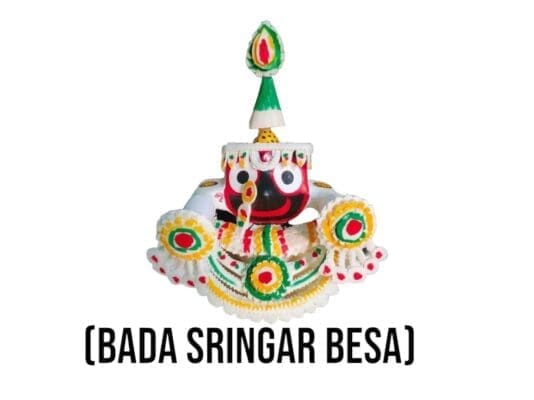
Fifth Avakasha: After Sanja Dhupa before Bada Singhar Besha.
During the Avakasha, only the servitors are allowed near the deities.
Pahuda (Rest)
Pahuda refers to the deities’ periods of rest, one after the midday offering and the other after the nighttime offering. During Pahuda, devotees cannot have darshan of the deities.
Different Paka (Cooking methods)
The offerings at the Shri Jagannath Temple are prepared using four different methods of cooking:
-
Bhima Paka
-
Nala Paka
-
Sauri Paka
-
Gauri Paka
Bringing Tradition Home
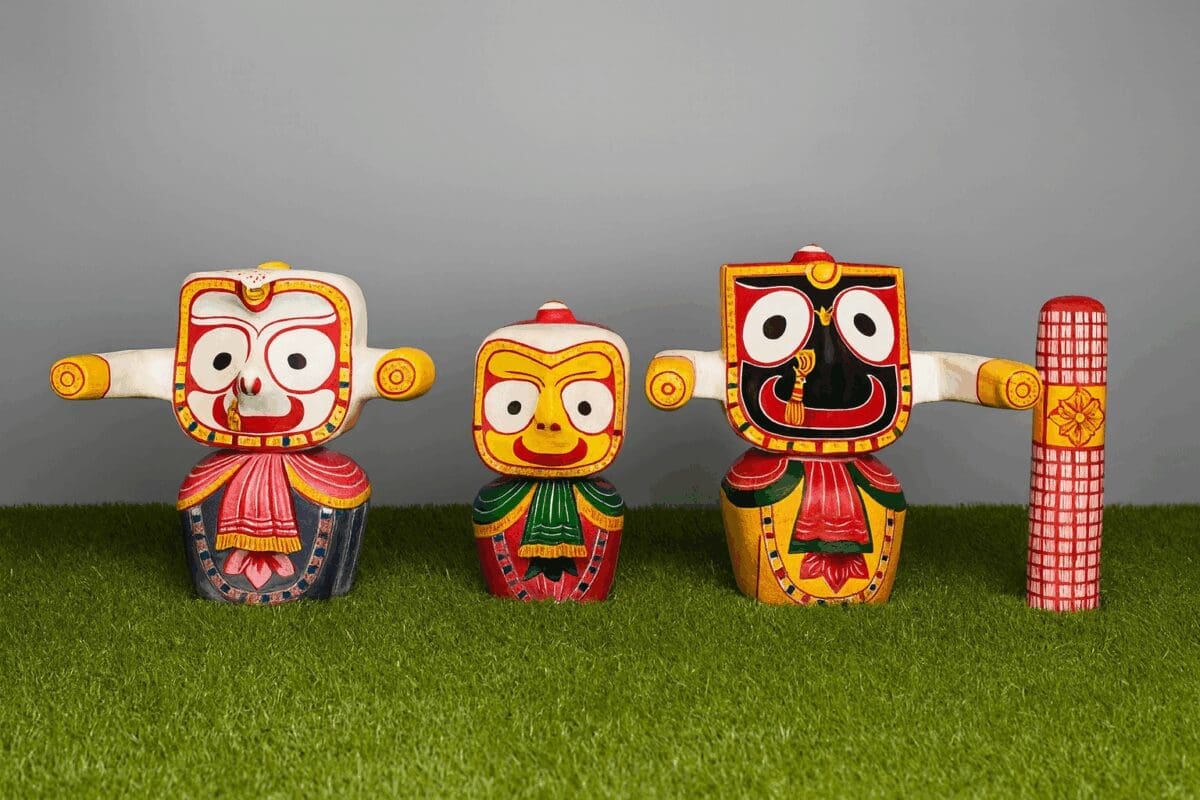
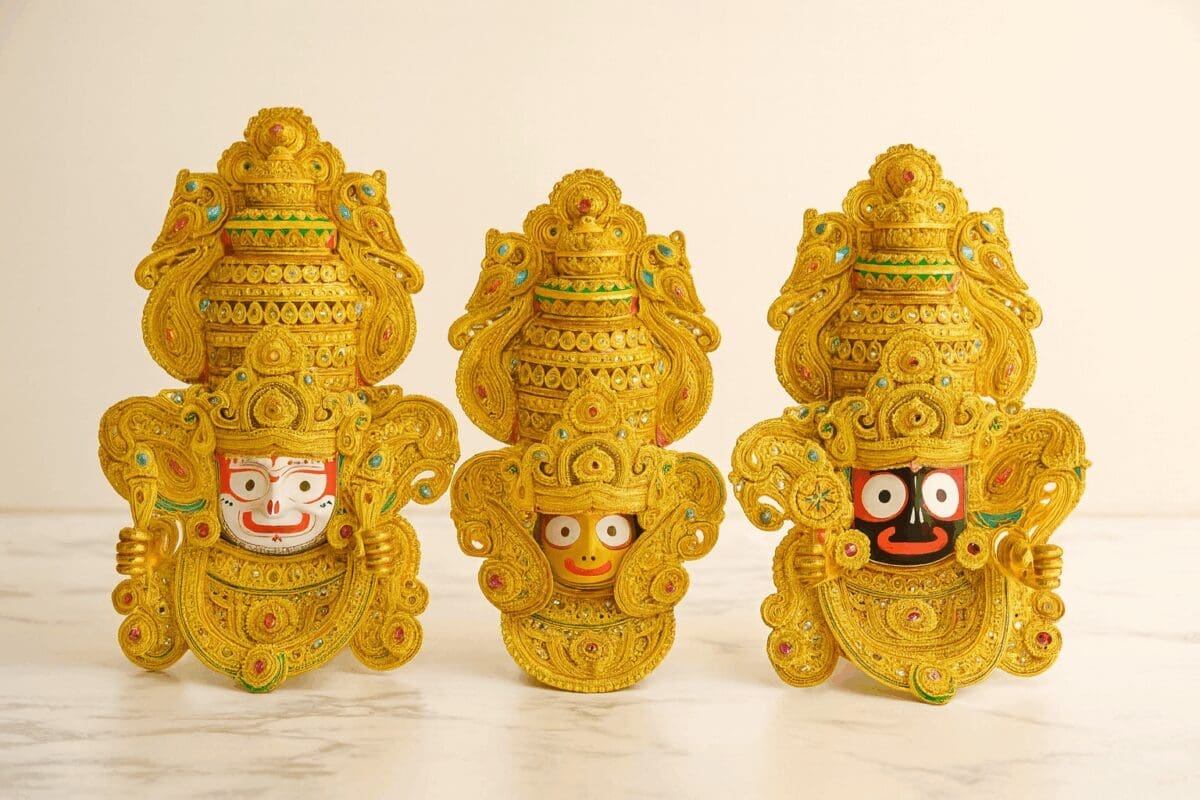
If you are inspired by the intricate and devotional traditions surrounding Lord Jagannath, explore the handcrafted items at justkalinga.com. With worldwide shipping, you can bring a piece of this sacred culture into your own home.


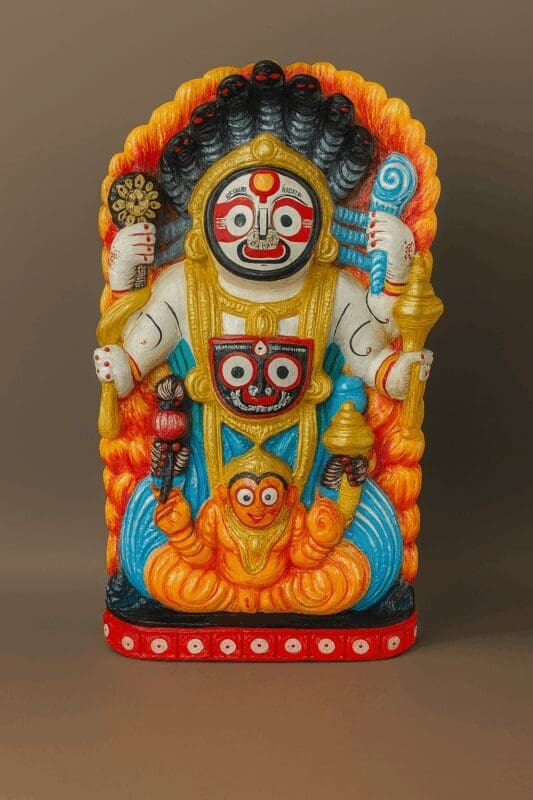
 Mahaprabhu Marbles Art Idol
₹ 1,249.00
Mahaprabhu Marbles Art Idol
₹ 1,249.00 Grace Shawl for Pooja/fastival moments and Temple Visit
From ₹ 675.00
Grace Shawl for Pooja/fastival moments and Temple Visit
From ₹ 675.00