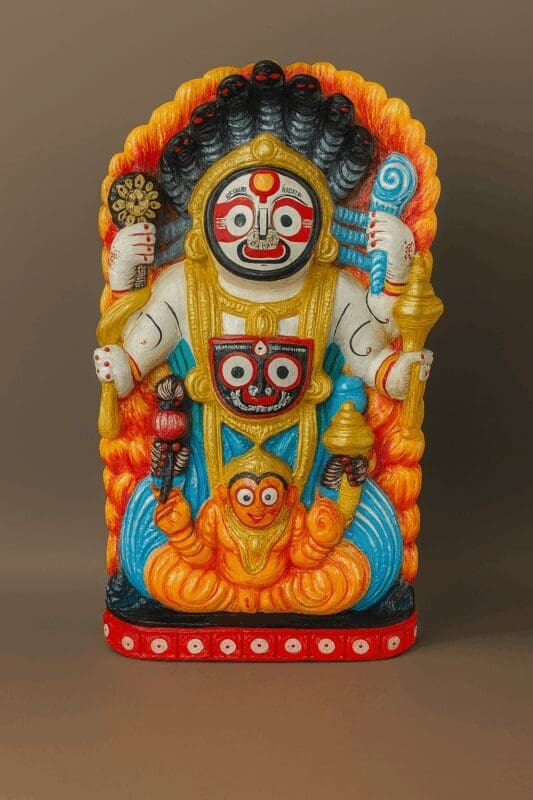
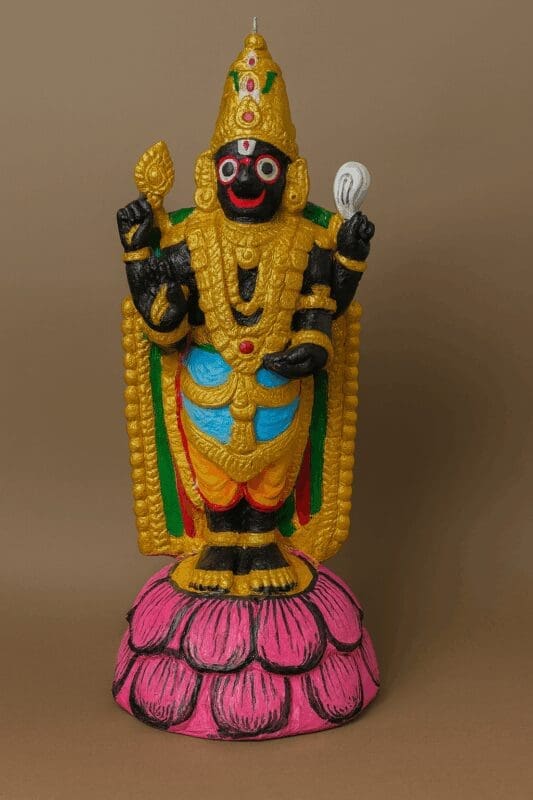
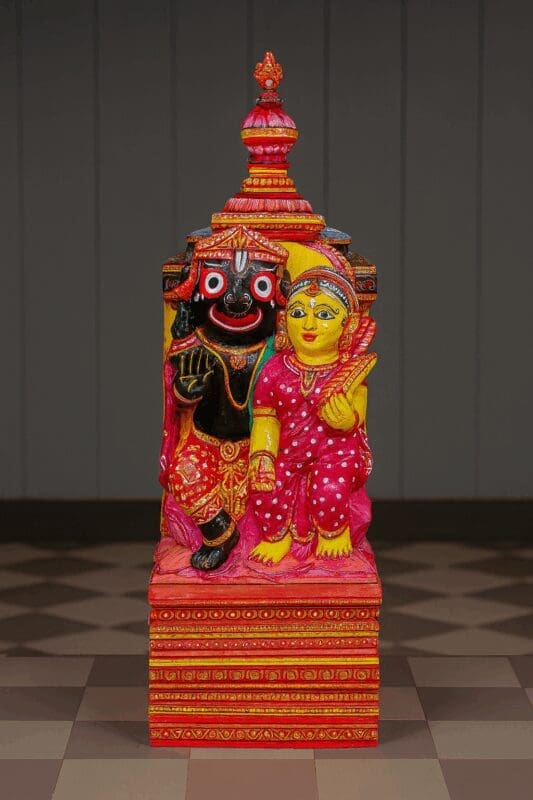
Today is the holy Bakula (Baula) Amavasya. In the tradition of tree worship, the festival dedicated to worshipping the mango tree is known as Baula or Bakula Lagi Amavasya. It is also called Baula Amavasya. The new moon day (Amavasya) of the Pausha month is famous as Bakula Amavasya. By this time, the severity of winter decreases, and mango blossoms (Baula) sprout on the trees, welcoming the King of Seasons, Spring.
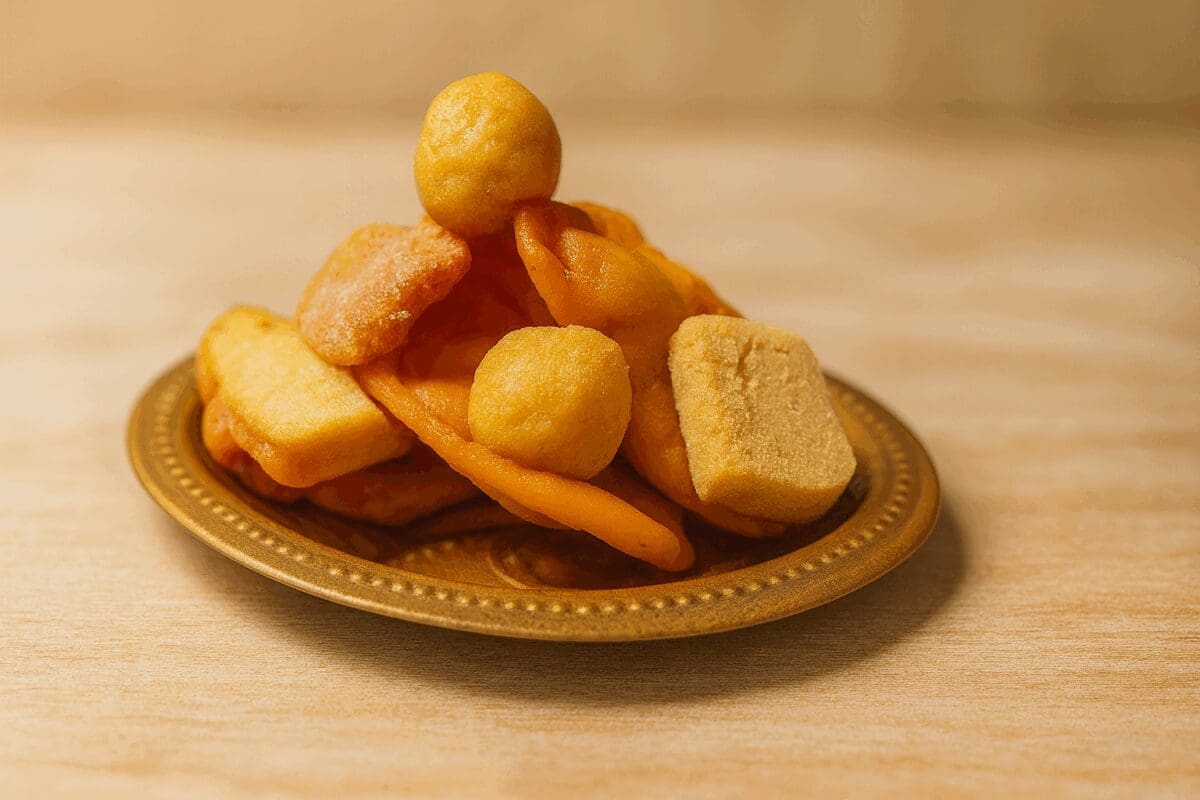
On Bakula Amavasya, the Chuta Taru or mango tree is worshipped. Gaintha Pitha (rice dumplings) and Baula (mango blossoms) are used as offerings. After offering worship at the root of the mango tree, the Gaintha cakes are thrown up onto the tree. It is wished that just as the Gaintha falls from the tree, mango fruits should also fall (be harvested abundantly) in the same manner. The Bakula Lagi ritual is also observed in the Srimandira (Jagannath Temple).
Bound by Vedic traditions, hundreds of gods and goddesses are worshipped in the Indian religious tradition. However, beyond this, following the path shown by Sri Krishna during the lifting of Govardhan, the Indian community worships various elements of nature—such as rivers, forests, mountains, trees, and creepers—with love and devotion. In this process, tree worship holds a special place. Tulsi, Bel, Banyan, Shami, Mango, and paddy fields are integral parts of this. Just as farming families celebrate festivals like Tulsi Vivah, Bel Barana, and Garbhana Sankranti with great pomp, similarly, the mango tree is worshipped on Pausha Amavasya (Bakula Amavasya).
In Hindu tradition, the mango and its branches hold great significance. Mango leaves are an essential item for the installation of the Kalash or Ghata (ceremonial pot). Various fairgrounds and welcome arches are decorated with mango branches. During the Dola Yatra, mango branches with small baby mangoes adorn the lotus hands of Lord Dola Govinda. Furthermore, the mango is the King of Fruits. Its other names are Amra, Chuta, Sahakara, and Rasala. There is a tradition where women and unmarried girls forge friendships called “Baula” (named after the blossom). The mango is a very sacred tree. Due to the use of mango leaves in various auspicious activities, it is revered just like other trees such as Tulsi, Bel, Amla, Peepal (Ashwattha), Banyan, Palash, and Banana.
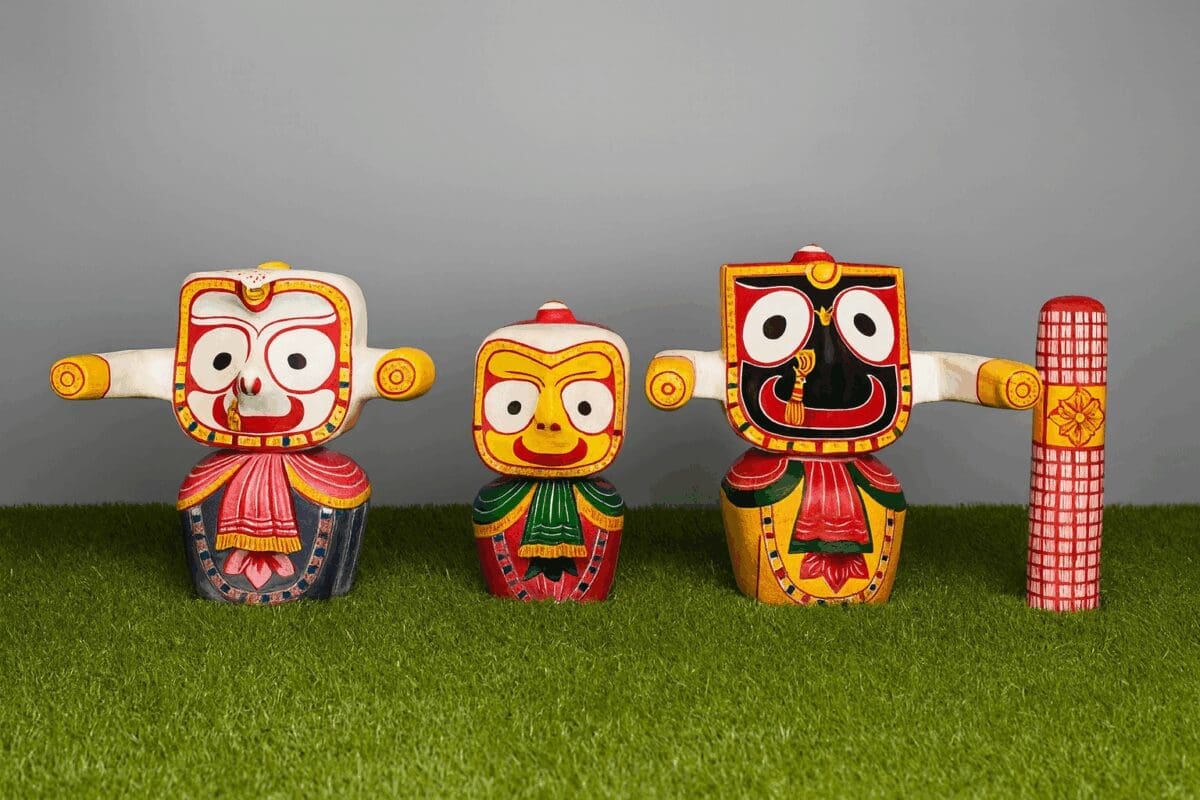
A supremely holy place like Srikshetra (Puri) is rare in the three worlds. Accepting this sacred place as His charming playground (Lila Kshetra), the Formless Brahman appears as the Formed Daru Brahma (Wooden Deity). He orchestrates various wonderful pastimes, staying amidst His devoted followers, existing in His own blissful state, and blessing the people of the world with boundless joy. Though He is the Supreme Brahman, Sri Jagannath Mahaprabhu, the eternal deity of the Odia people, behaves like a common human being. He is the Lord of eternal festivities. Various festivals and processions continue throughout the year in the Srimandira.
|| Brahmovacha || (Brahma Speaks)
Paushe masi mahinatha amavasyadine punah |
Pratahkalantarasyapi sange bhaktyanchito’rchakah || 1 ||
Langaliphalakhandaishcha churnaisthandulasambhavaih |
Vartulani suramyani tani pupani dapayet || 2 ||
Brahma said: “O King! On the Amavasya of Pausha month, after the morning worship, the priest should devotedly offer pieces of coconut and beautiful round cakes (Pitha) made from rice flour to the Lord.”
Pujante vishnave dadyaddivyanshchutankuranapi |
Vandapanam prakurvita purvabaddharanipate || 3 ||
“O Lord of the Earth! After this worship, one should offer divine mango blossoms to Jagannath (Vishnu) and perform the Bandapana ritual as done before.”
On the day of Pausha Amavasya, after the Alati and Abakasha rituals of the Deities are completed, an extra garland is offered to the Mahaprabhu as an Ajnyamala (garland of command) during the dressing time. Once the Gopalaballav offering is over and the Sakala Dhupa (morning meal) is arranged, the plate of Baula Gaintha comes from the kitchen along with the food offerings.
After the Mudirasta serves the Prasad, the Puja Panda offers the Bhoga with sixteen types of service (Shodasha Upachara). After the worship, the screen is removed, and Alati is performed. While the Baula Gaintha plate remains inside, the Puja Panda, Pati Mahapatra, and Mudirasta perform the Bandapana ritual at the three respective positions (Badas). Afterward, the Mahaprasad is brought out.
Once the Mahaprasad is removed and water is sprinkled, Lord Narayana proceeds from the South Room (Dakshina Ghara) to the throne. The Puja Panda brings the Ajnyamala from the Deities and presents it to Narayana. Upon receiving the Ajnyamala, Narayana proceeds to the palanquin near the Jhulana Mandapa for the Sagara Bije (Journey to the Sea). Following this, the other daily rituals of the Deities are performed as per the schedule.


 Nila Madhav Combo
₹ 13,559.00
Nila Madhav Combo
₹ 13,559.00 Ganapati Shankha
₹ 3,624.00
Ganapati Shankha
₹ 3,624.00 Ganapati Shankha
  Shri Gita gobindam Book
 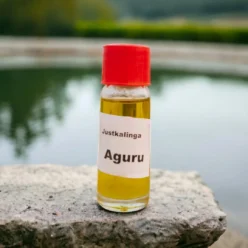 Aguru : The natural Perfume for Mahaprabhu
 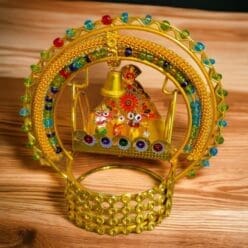 Jagannath mahaprabhus Jhulana Palinki
  Justkalinga.com Traditional Jodo (Dhoti + Uttariya)
 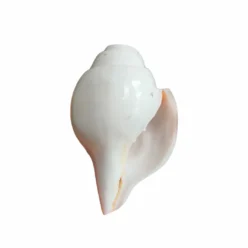 Dhanwani sankha(Blowing Sankha)
 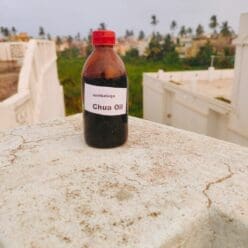 Chua Oil
  Dakhinabarti sankha (Small Size)
  The divine Tulasi Kanthi Mali
  Shri Jagannath's Locket(Silver)
  Mohan Rupam
  Snan Darpan: for Shri Jagannath mahaprabhu's bathing rituals