
-
×
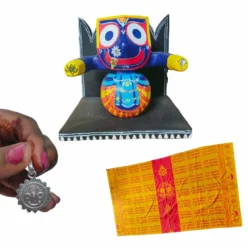 Niladrinath Gift Hamper
₹ 8,899.00
Niladrinath Gift Hamper
₹ 8,899.00 -
×
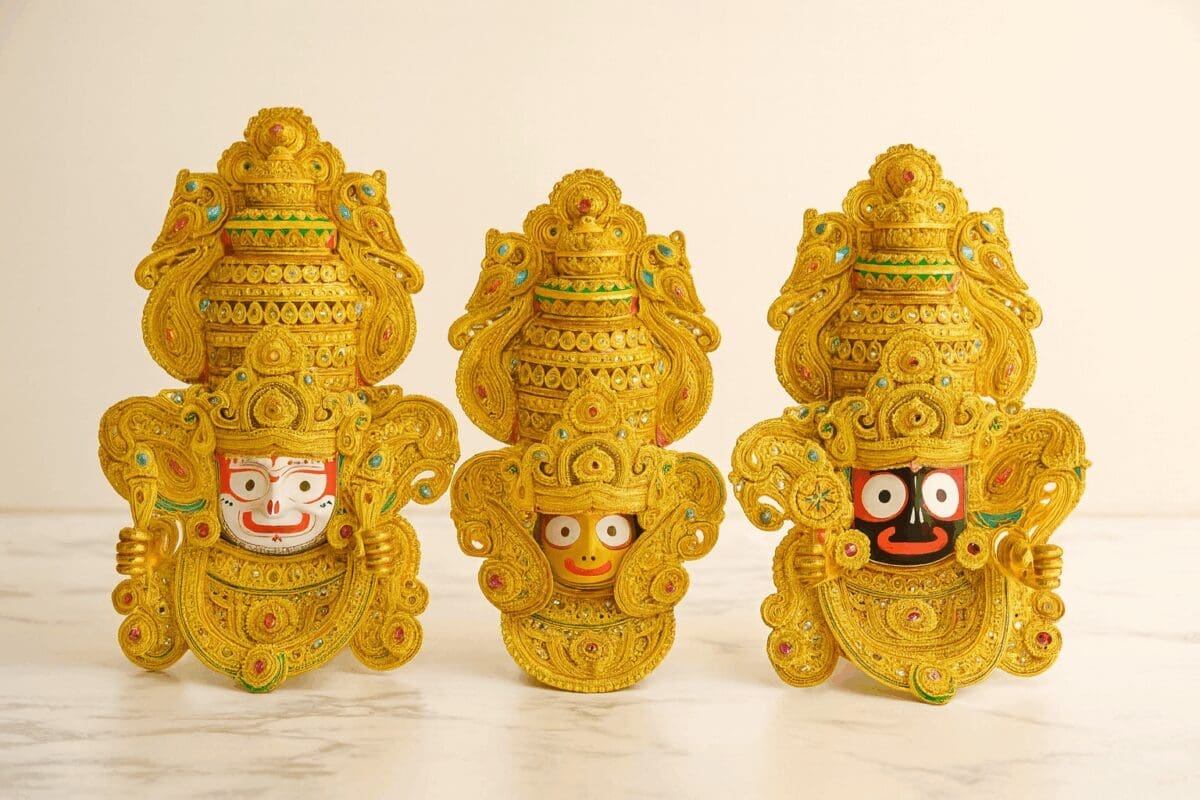
 Palm Leaf Lord Jagannath Mahaprabhu Lamp Shades(Blue)
₹ 1,119.00
Palm Leaf Lord Jagannath Mahaprabhu Lamp Shades(Blue)
₹ 1,119.00 -
×
Beutiful shri jagannath Mahaprabhu Car/wall hanging
₹ 1,010.00
-
×
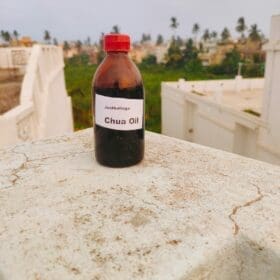
Chua Oil
₹ 499.00
-
×
Ancient Tribal Art
₹ 2,249.00
-
×
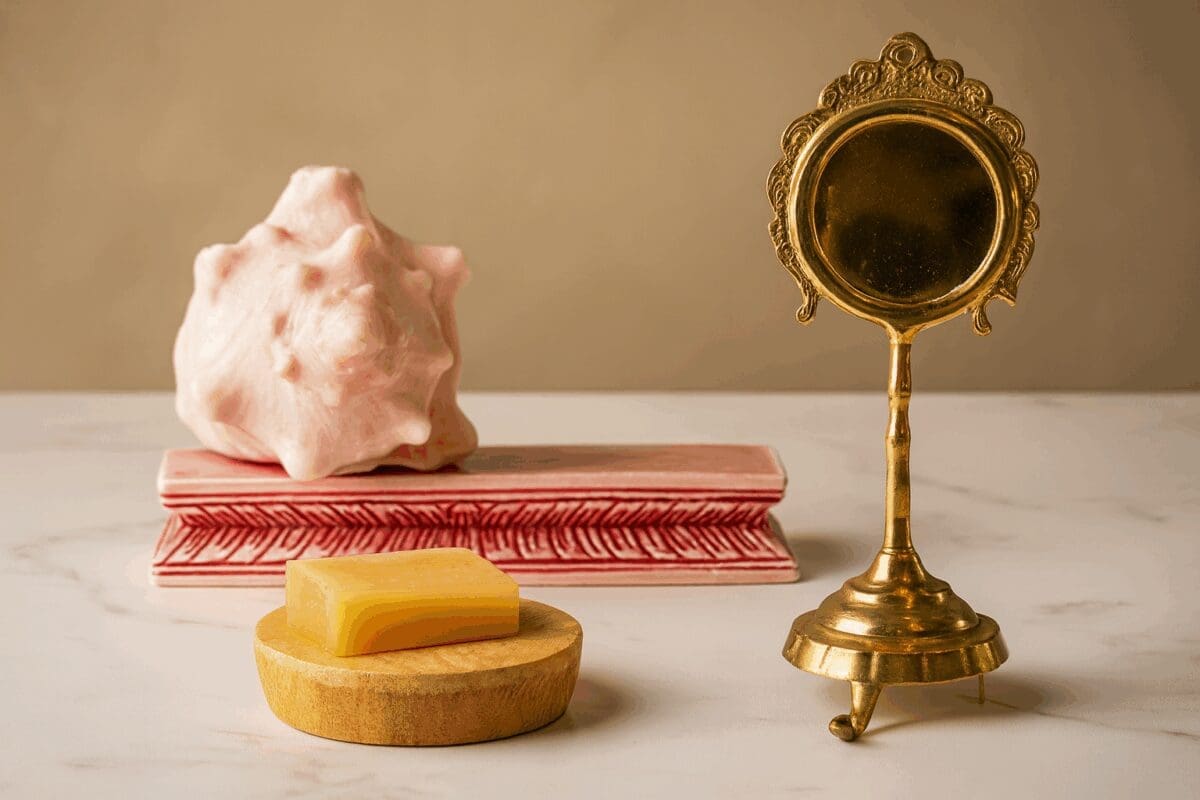
Dakhinabarti sankha (Small Size)
₹ 1,249.00
 Palm Leaf Lord Jagannath Mahaprabhu Lamp Shades(Blue)
  Beutiful shri jagannath Mahaprabhu Car/wall hanging
  Chua Oil
  Ancient Tribal Art
  Dakhinabarti sankha (Small Size)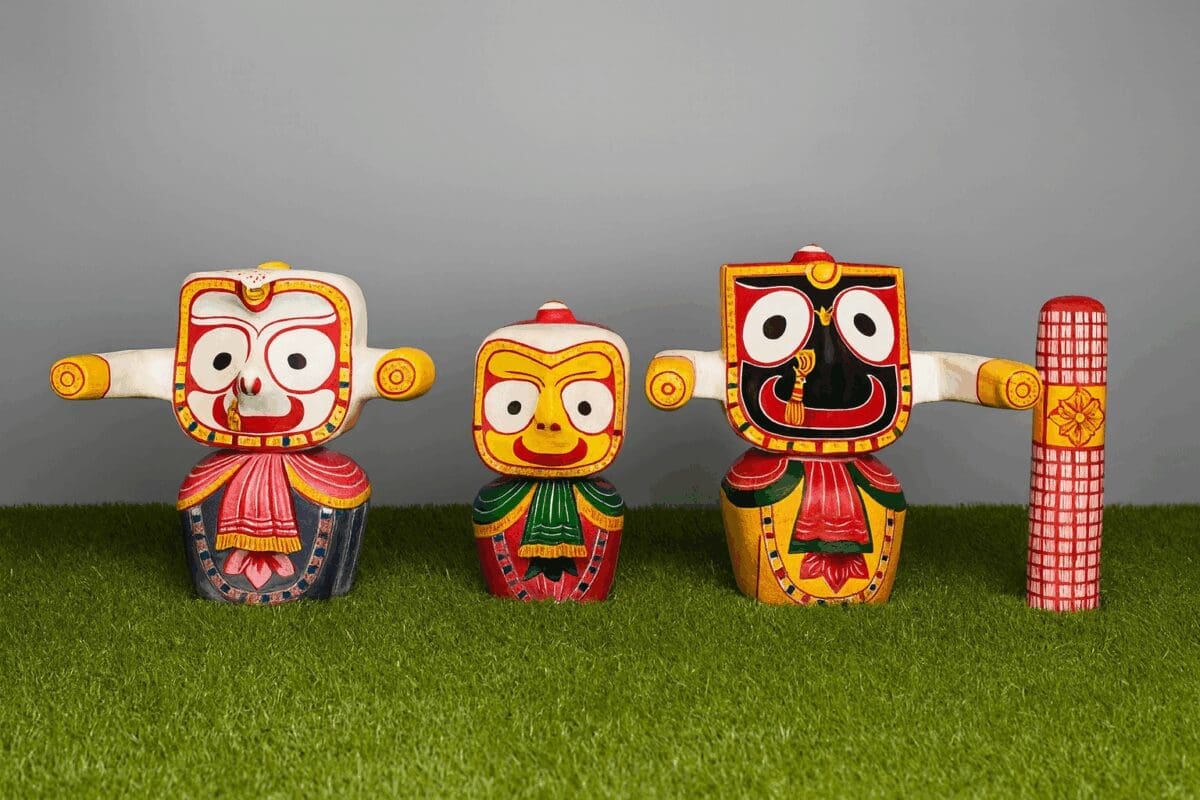


Articles
Bada Osha
11
Nov
Nov
Nagendraharaya Trilochanaya
Bhasmangaragaya Mahesvaraya
Nityaya Suddhaya Digambaraya
Tasmai “Ma” karaya Namah Shivaya
(Meaning: Salutations to Shiva, who wears a serpent king as a garland, the three-eyed one, whose body is smeared with sacred ash, the great lord. To the eternal, the pure, the one who is sky-clad (Digambara), to that sacred syllable “Ma,” salutations to Shiva.)
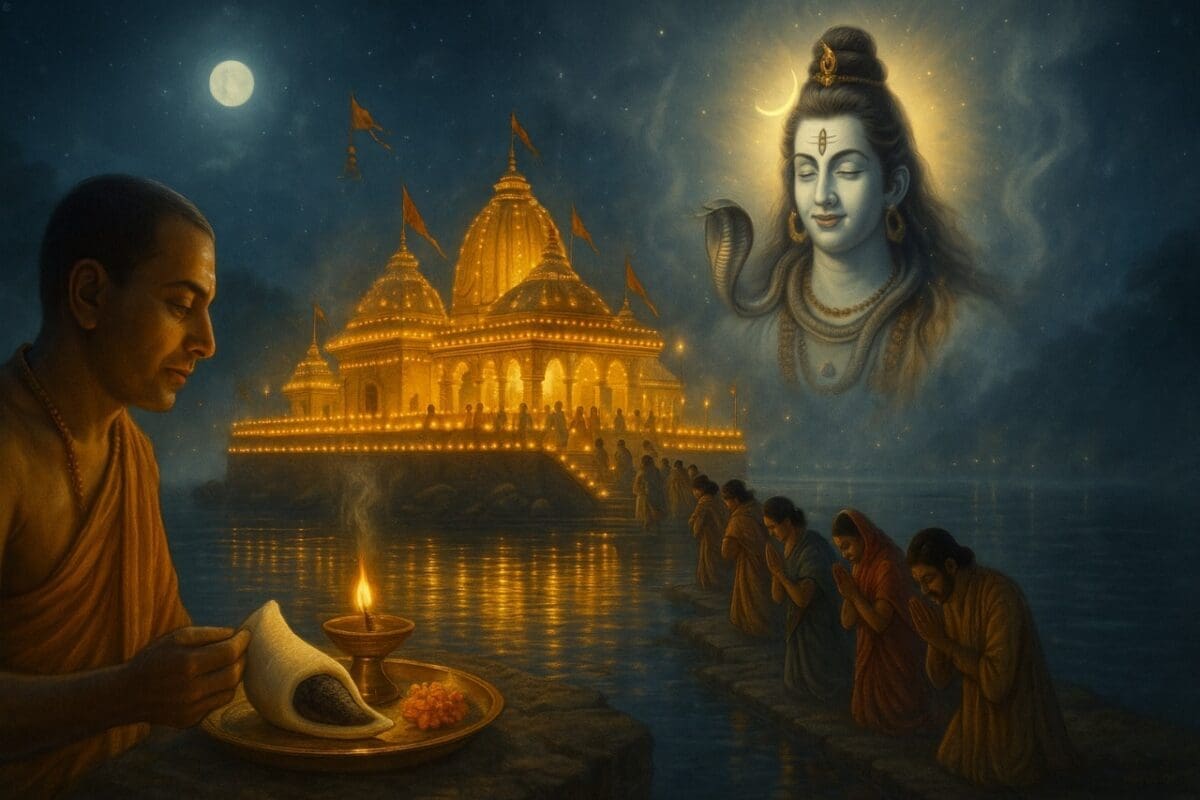
Bada Osha is observed after Bada Ekadashi or Hari Utthapan Ekadashi, which falls during the Bhishma Panchaka in the month of Kartika. It is said to be the “biggest” (Bada) among all oshas (ritualistic fasts). The glory of Bada Osha is described in the Puranas. Once, the sage Narada arrived at Kailash to have a vision of Lord Shiva. He met Mahadeva and informed him about the sorrows and sufferings of the devotees, praying for a way to alleviate their misery. Mahadeva advised that one should observe a vrat (fast) and seek his darshan (vision) on the Kartika Shukla Chaturdashi (the 14th day of the bright fortnight of the Kartika month). Since that day, the inhabitants of the mortal world have been observing Bada Osha with devotion.
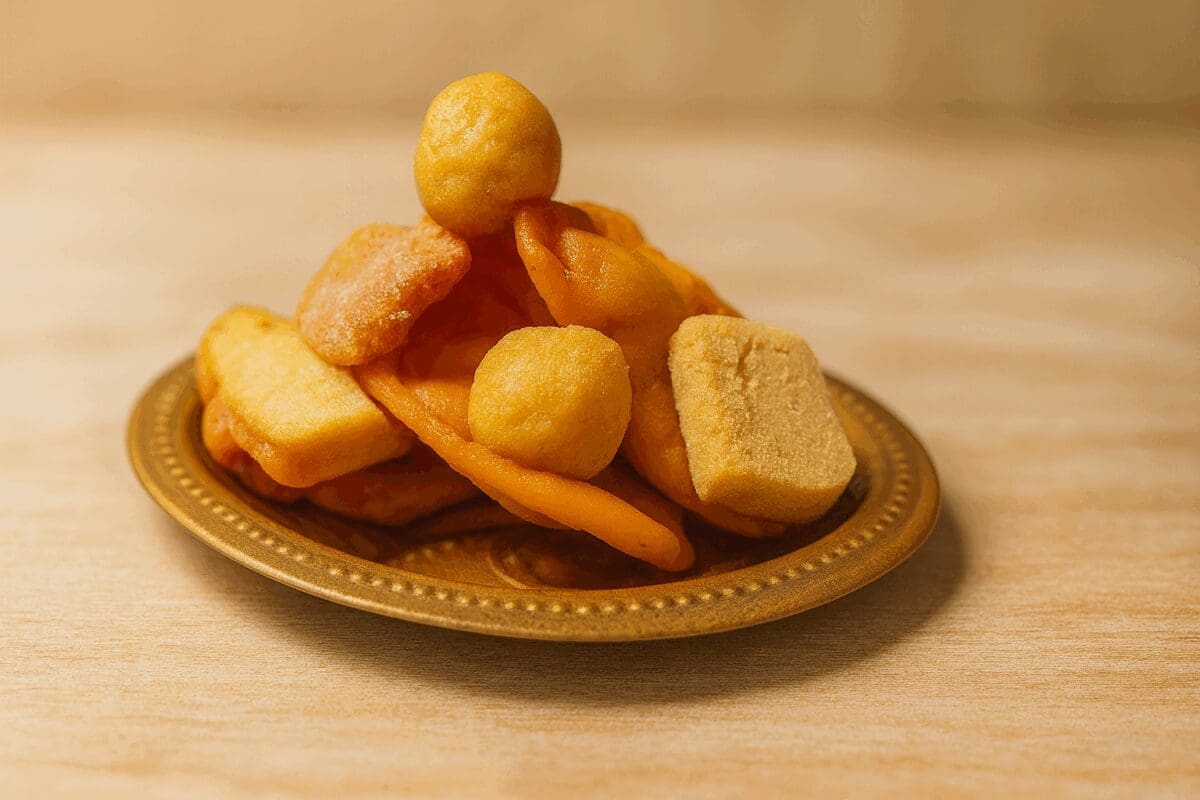
The main center for Bada Osha is the temple of Lord Shri Shri Baba Dhabaleswar. On this occasion, ‘Gaja Bhoga’ is offered to the deity. This offering is made at midnight, at the confluence of the Trayodashi (13th day) and Chaturdashi (14th day) tithis (lunar days). On the morning of Chaturdashi, devotees receive the Gaja Bhoga. This offering has a special significance. It is believed that since the Lord turned a black bull into a white one, the Gaja Bhoga is made with a black interior and a white exterior. It appears white because it is made from the flour of sun-dried rice. However, the filling inside is made of moong dal and jaggery, which makes the interior appear black. The Gaja Bhoga is a special type of pitha (cake), with its top part shaped pointed like a bull’s horn.
According to a folktale, a thief once stole a black bull. When the villagers found out, they started chasing him. Left with no choice and fearing a beating if caught, the thief hid on an island-like place in the Mahanadi river, which was then a dense forest. The villagers stood guard, waiting for him. The thief, terrified that he would lose his life, began to pray to Lord Shiva to save him. At that moment, Lord Shiva appeared before the villagers in the guise of a sage. He asked the people why they were so angry. They explained that one of their black bulls had been stolen and that the thief was hiding somewhere nearby. Hearing this, Lord Shiva, disguised as a sage, said, “But there is no black bull here. The one grazing in the distance is white.” The people looked and indeed saw a white bull grazing some distance away. They concluded that this was not their stolen bull. The thief also came out of hiding. The sage then vanished from the spot. The thief, still trembling with fear, gathered his courage and told the villagers everything. He confessed that he had stolen a black bull, but Lord Shiva, hearing his desperate plea, had turned it white. From that day on, people began to worship Lord Shiva at this site as Baba Dhabaleswar (The Lord of Whiteness), and the place became famous as the Dhabaleswar Pitha. The glory of Baba Dhabaleswar spread far and wide.
According to the Padma Purana, to get rid of a curse from Brahma, Indra observed the Bada Osha vrat for Dhabaleswar, took a holy dip on Kartika Purnima, and was freed from the curse.
According to another story, there was a righteous king in Utkala named Kratu. He once went to the forest to hunt. While wandering aimlessly, he reached a ruined Shiva temple. There, Harapriya, the princess of Nagpur, was performing puja, wishing to marry Kratu. They met near the temple and got married. After the marriage, the king became engrossed in luxury and pleasure, neglecting his royal duties. As a result, he was defeated by external enemies and lost his kingdom. He lived a life of sorrow with his queen in the forest.
A sage, who was a devotee of Shiva, lived in that forest. One day, he was carrying some Ketaki flowers for Shiva’s puja. The king forcibly snatched the flowers from the sage and offered them to his queen. This angered Lord Shiva, who cursed the king with leprosy. His suffering increased day by day. The queen spent her time serving the king and devoting herself to God. She met a sage and asked for a way to cure the king. The sage revealed that the king was suffering from leprosy due to the curse of a Shiva devotee. On the sage’s advice, the queen devotedly observed the Bada Osha vrat at the Dhabaleswar shrine located in the Mahanadi river. Lord Shiva was pleased and granted her a boon. Kratu was cured of his disease and ruled his kingdom with his wife and was blessed with a son.
At Baba Dhabaleswar, on the occasion of Bada Osha, as per the rituals, the ‘Gaja Bhoga’ is offered to Mahadeva after the midnight bathing ceremony. Following this, Shri Dhabaleswar gives darshan to the devotees in his ‘Bada Singhara’ besha (grand adornment).
Dhabaleswaranka bada bhoga pain, bhandara huai saja.
Sankha hulahuli padai uchhuli, puja paibe je gaja.
E bhaba sansaru pari heba pain, loda tike bibhu krupa
Garba ahankara chhadi deba manu, bantijiba prema barta.
(Poem’s meaning: For Dhabaleswar’s grand offering, the storehouse is readied. The sounds of conches and hulahuli (ululation) overflow, as the Gaja (offering) will be worshipped. To cross this ocean of existence, a little of the Lord’s grace is needed. Let’s abandon pride and ego from our minds and spread the message of love.)
Gaja Bhoga
During Bada Osha, to fulfill their wishes, devotees offer a special pitha made of sun-dried rice flour to Dhabaleswar. This is called ‘Gaja Pitha’. It is prepared with great purity and sanctity, especially by the families of the temple priests. The ‘Gaja Bhoga’ and ‘Tarana’ are offered to Dhabaleswar. This pitha uses ingredients like khali (a paste), coconut, jaggery, and cardamom. Devotees break their fast after consuming the Gaja Bhoga. They wait all year long to receive this Gaja Bhoga and Tarana.
Makara Chaula
On this osha, the observers prepare a type of offering called ‘Makara Chaula’. It is made from sun-dried rice (arua), milk, banana, and coconut and is offered during the puja. Furthermore, there is another special offering for this osha, which is called ‘Bada Osha Bhoga’.
Tarana
This is prepared in a new hearth or stove (ahia) after it has been sanctified. It is made with new sun-dried rice (from the new harvest), jaggery, coconut, ghee, and a type of special osha powder. A stick made of Sal wood, known as a ‘ghota’, is used to stir the bhoga while it cooks. Some people prepare this bhoga with sugar, while others use jaggery. In Odia, the Bada Osha bhoga is called ‘Tarana’.