
-
×
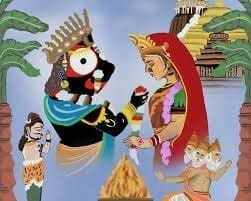
 The origin story of Shri Jagannath
₹ 1,996.00
The origin story of Shri Jagannath
₹ 1,996.00 -
×
 Shri Jagannath's photo frame with ratna singhashan
₹ 2,689.00
Shri Jagannath's photo frame with ratna singhashan
₹ 2,689.00 -
×
Shri Jagannath Glass framed
₹ 6,009.00
-
×
Mohan Rupam With Ratna singhasan
₹ 6,499.00
-
×
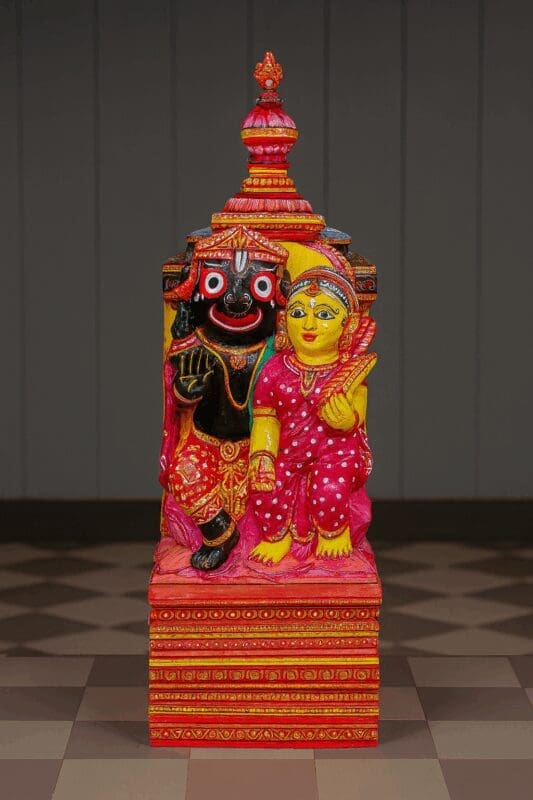
Shri Siba Parbati Stone Murti
₹ 3,758.00
-
×
Beautiful Tulasi Wood Bracelet
₹ 1,299.00
-
×
Ancient Tribal Art
₹ 4,498.00
-
×
Shri Krishna Stone Murti
₹ 1,874.00
-
×
Ancient Tribal Art
₹ 3,898.00
-
×
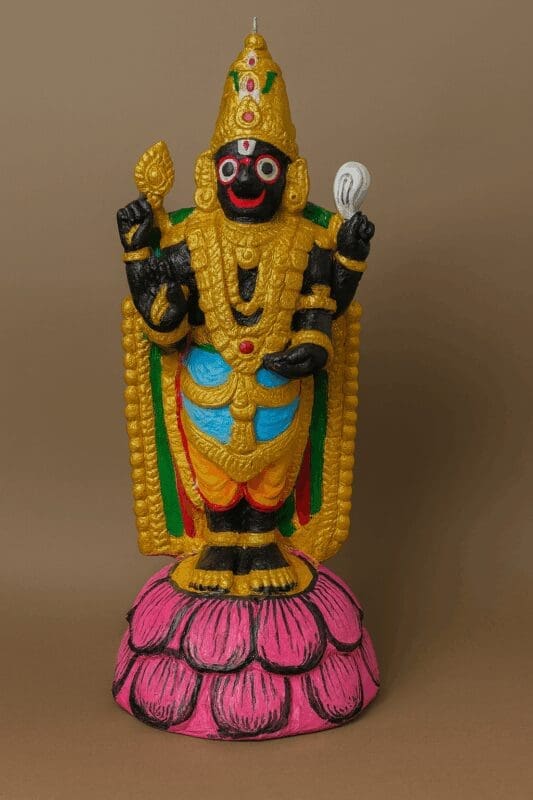
Shri Narayan Marble murti
₹ 4,369.00
-
×
The brass "Elephant Jodi"
₹ 1,998.00
-
×
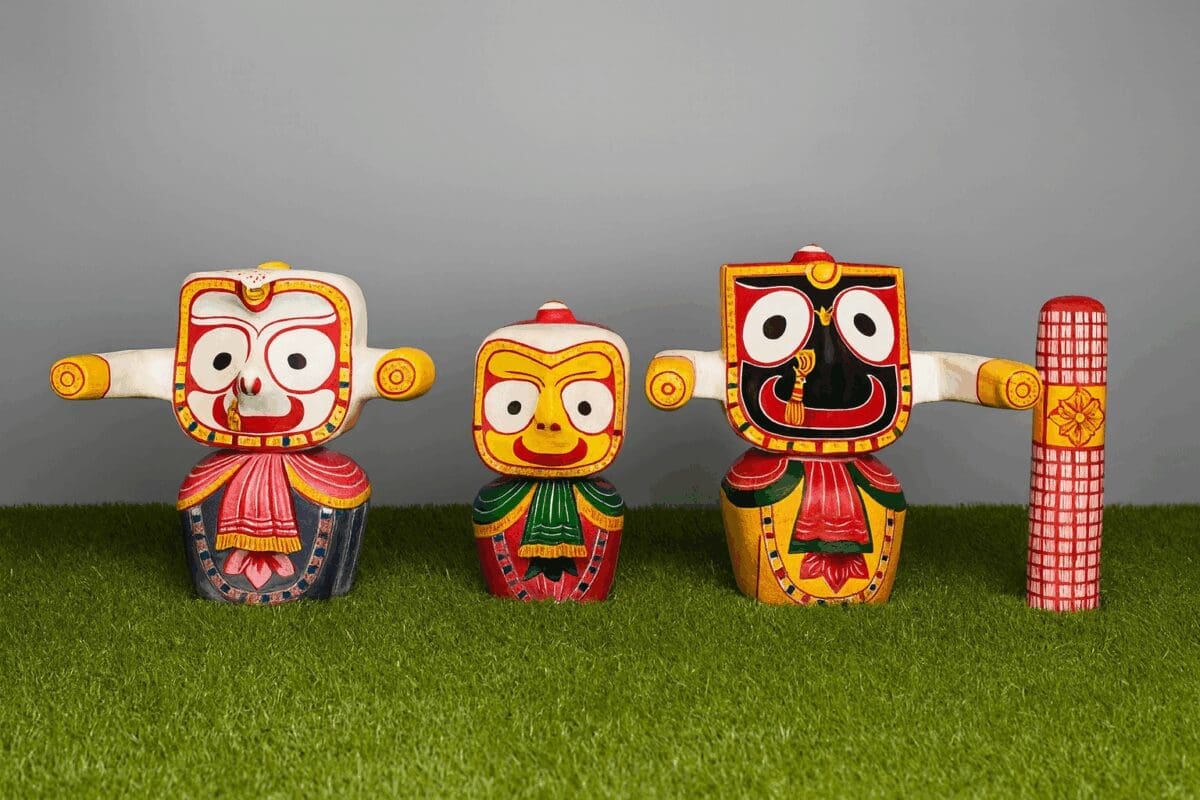
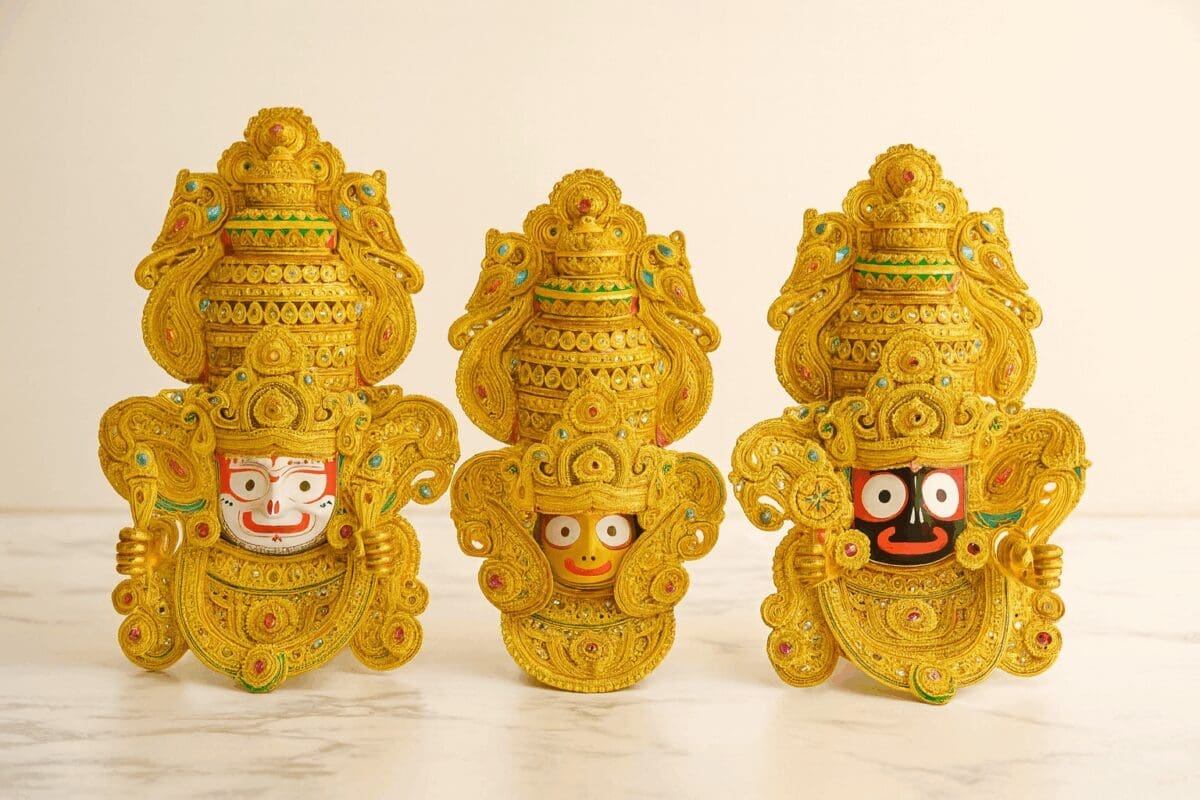
Golden Radiance jagannath Trio
₹ 30,747.00
-
×
Shri Chatrudha Mahaprabhu Murti
₹ 3,315.00
-
×
Raja Rupam (Round Body)
₹ 3,487.00
-
×
Raja Rupam murti with Ratna Shinghasan
₹ 1,989.00
-
×
Madanmohan
₹ 9,998.00
-
×
Krishna Rupam Of Shri Jagannath Mahaprabhu
₹ 10,000.00
-
×
Shri Jagannath's Locket(Silver)
₹ 6,128.00
-
×
Laxmi Rupam
₹ 2,499.00
-
×
Niradrinath gift hamper
₹ 11,154.00
-
×
Mohan Rupam
₹ 3,499.00
-
×
Tulasi Kanthi Mala
₹ 439.00
-
×
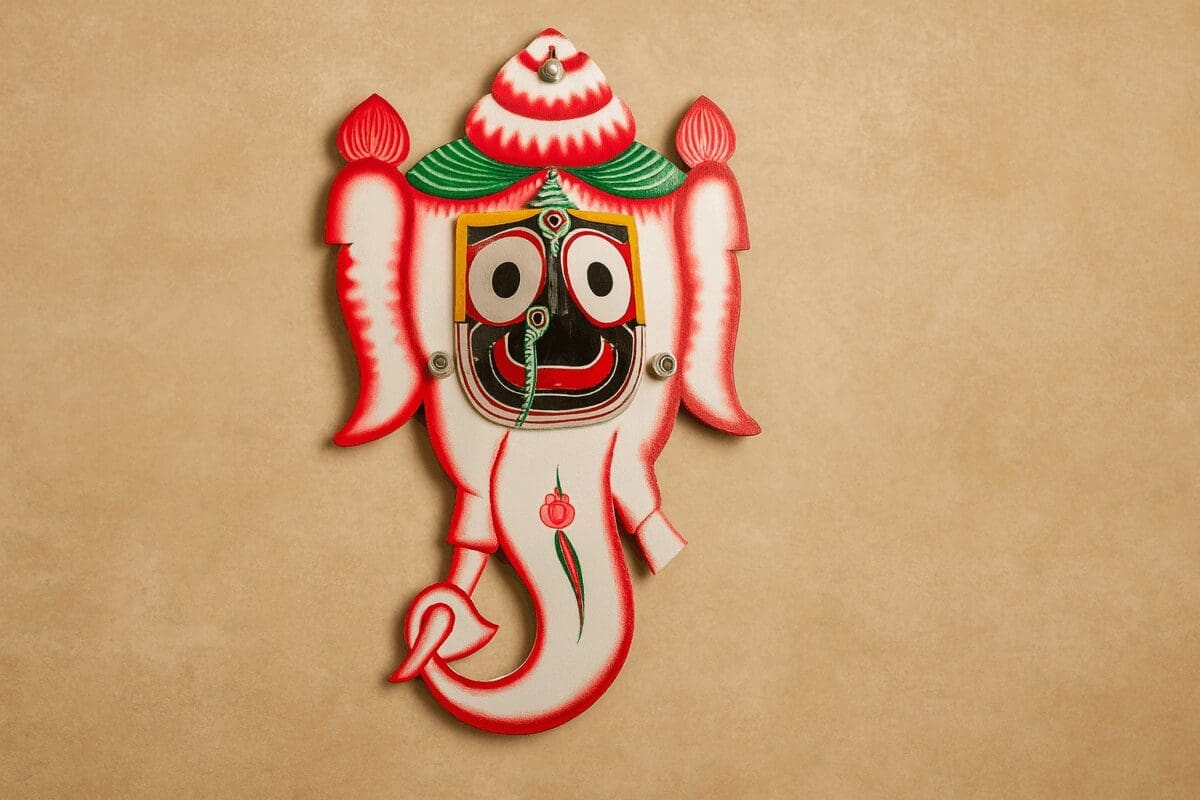
Beutiful shri jagannath Mahaprabhu Car/wall hanging
₹ 3,030.00
-
×
wall hanging Jhumar Big Size
₹ 999.00
-
×
Radha Krishna Marble murti
₹ 6,739.00
-
×
Dakhinabarti sankha
₹ 1,399.00
-
×
Chandan lagi seva(sandal wood)
₹ 4,712.00
 Shri Jagannath's photo frame with ratna singhashan
  Shri Jagannath Glass framed
  Mohan Rupam With Ratna singhasan
  Shri Siba Parbati Stone Murti
 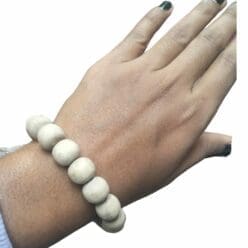 Beautiful Tulasi Wood Bracelet
  Ancient Tribal Art
 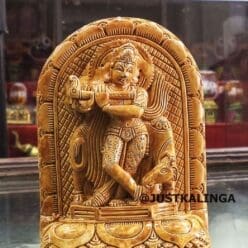 Shri Krishna Stone Murti
 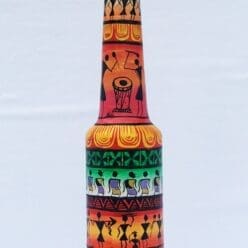 Ancient Tribal Art
 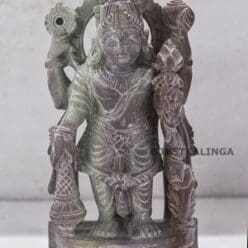 Shri Narayan Marble murti
 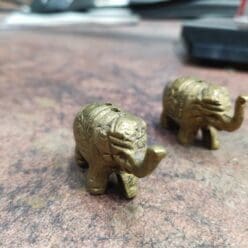 The brass "Elephant Jodi"
 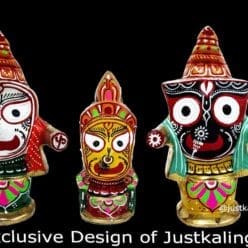 Golden Radiance jagannath Trio
 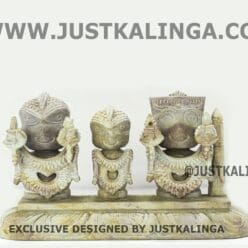 Shri Chatrudha Mahaprabhu Murti
  Raja Rupam (Round Body)
 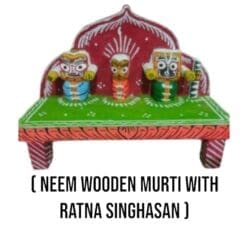 Raja Rupam murti with Ratna Shinghasan
  Madanmohan
 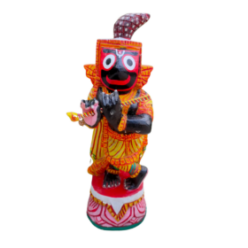 Krishna Rupam Of Shri Jagannath Mahaprabhu
  Shri Jagannath's Locket(Silver)
  Laxmi Rupam
 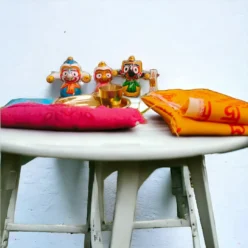 Niradrinath gift hamper
  Mohan Rupam
 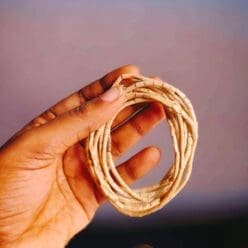 Tulasi Kanthi Mala
 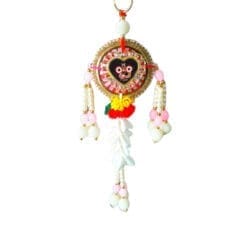 Beutiful shri jagannath Mahaprabhu Car/wall hanging
  wall hanging Jhumar Big Size
  Radha Krishna Marble murti
 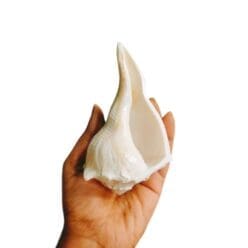 Dakhinabarti sankha
 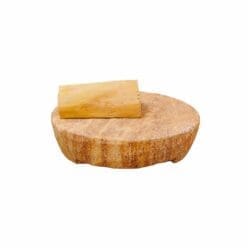 Chandan lagi seva(sandal wood)
 You may be interested in…
-
Add
Badge
Original price was: ₹ 299.00.₹ 219.00Current price is: ₹ 219.00.
-
Add
This product has multiple variants. The options may be chosen on the product page
Grace Shawl for Pooja/fastival moments and Temple Visit
From ₹ 675.00
-
Add
This product has multiple variants. The options may be chosen on the product page
Sun-Moon Flag From Shrikhetra Dham
From ₹ 239.00
-
Add
This product has multiple variants. The options may be chosen on the product page
Mala
From ₹ 399.00
-
Add
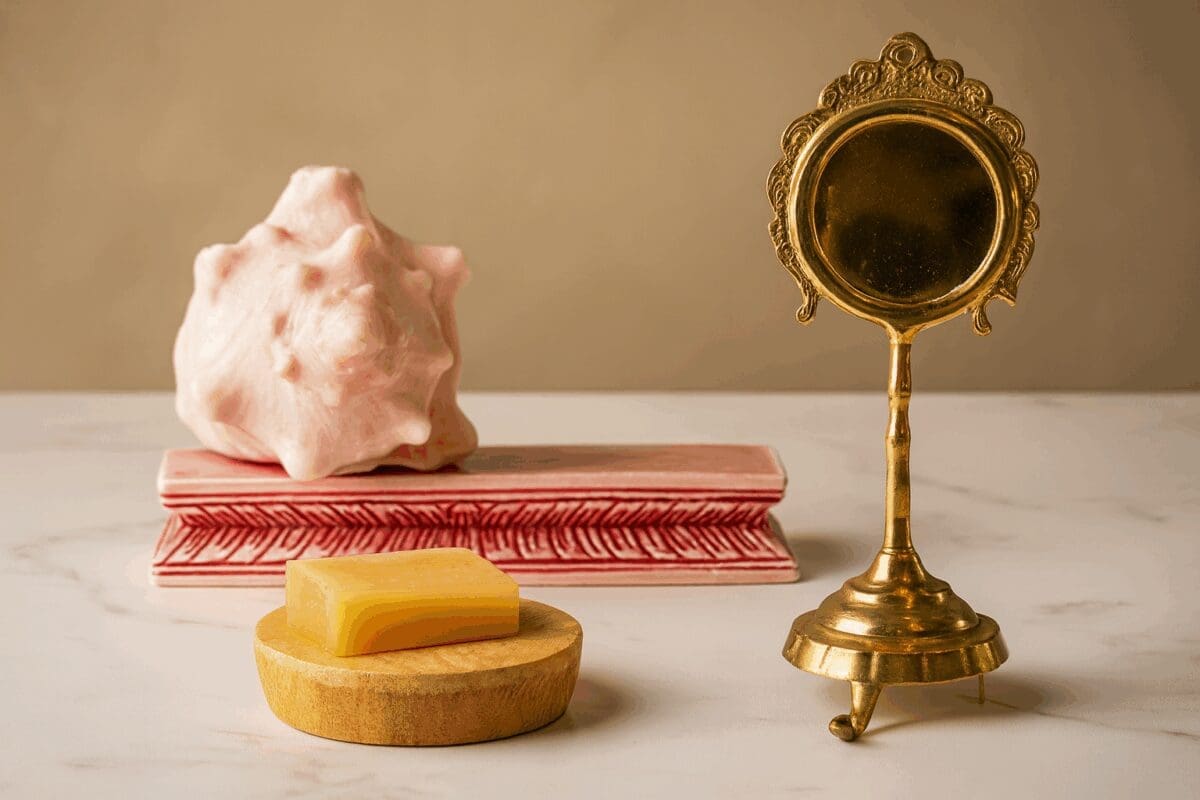
Snan Darpan: for Shri Jagannath mahaprabhu's bathing rituals
Original price was: ₹ 5,500.00.₹ 4,749.00Current price is: ₹ 4,749.00.