
-
×
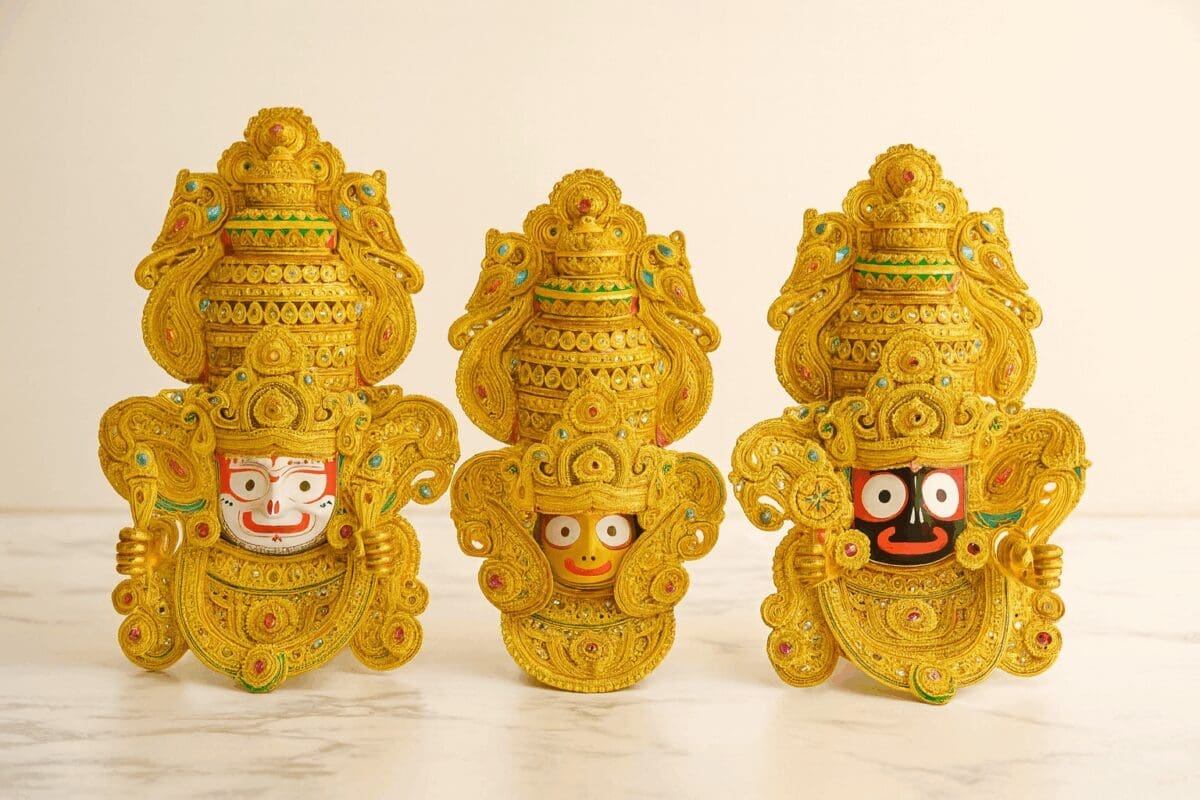
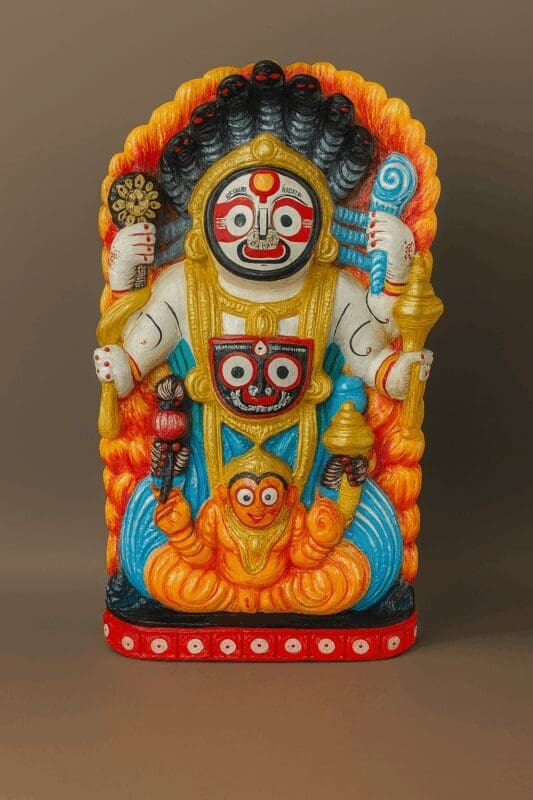
 Mohan Rupam With Ratna singhasan
₹ 6,499.00
Mohan Rupam With Ratna singhasan
₹ 6,499.00 -
×
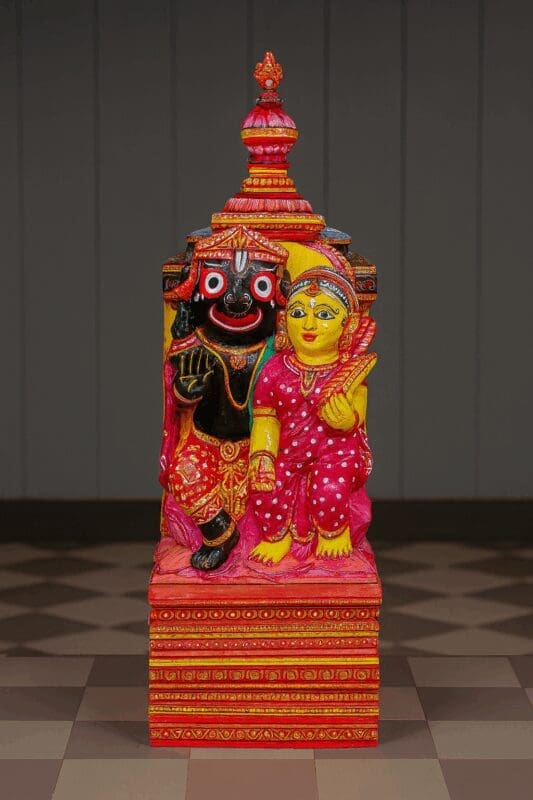
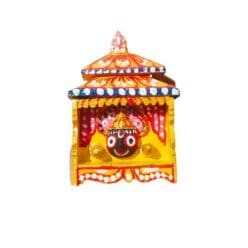 Wooden Patitapawan temple
₹ 6,831.00
Wooden Patitapawan temple
₹ 6,831.00 -
×
Navakeli Marbal Carved Design
₹ 12,239.00
-
×
Radha Krishna Brass Murti
₹ 6,119.00
-
×
Yagya Narayan
₹ 79,527.00
-
×
Shri Budha Stone Murti
₹ 8,817.00
-
×
Shri Ganesh Nrutyam Mutri
₹ 1,499.92
-
×
Shri Ganesh Mahaprabhu Murti With Singasana
₹ 1,939.00
-
×
Shri Madan Mohan Brass Murti
₹ 7,298.00
-
×
Aguru : The natural Perfume for Mahaprabhu
₹ 3,196.00
-
×
Shri Chatrudha Murti With Sankha marble
₹ 2,489.00
-
×
Nila Chakra Gopuram (Brass Made )
₹ 4,345.00
-
×
Mahima Combo
₹ 11,189.00
-
×
Tulasi Kanthi Mala
₹ 878.00
-
×
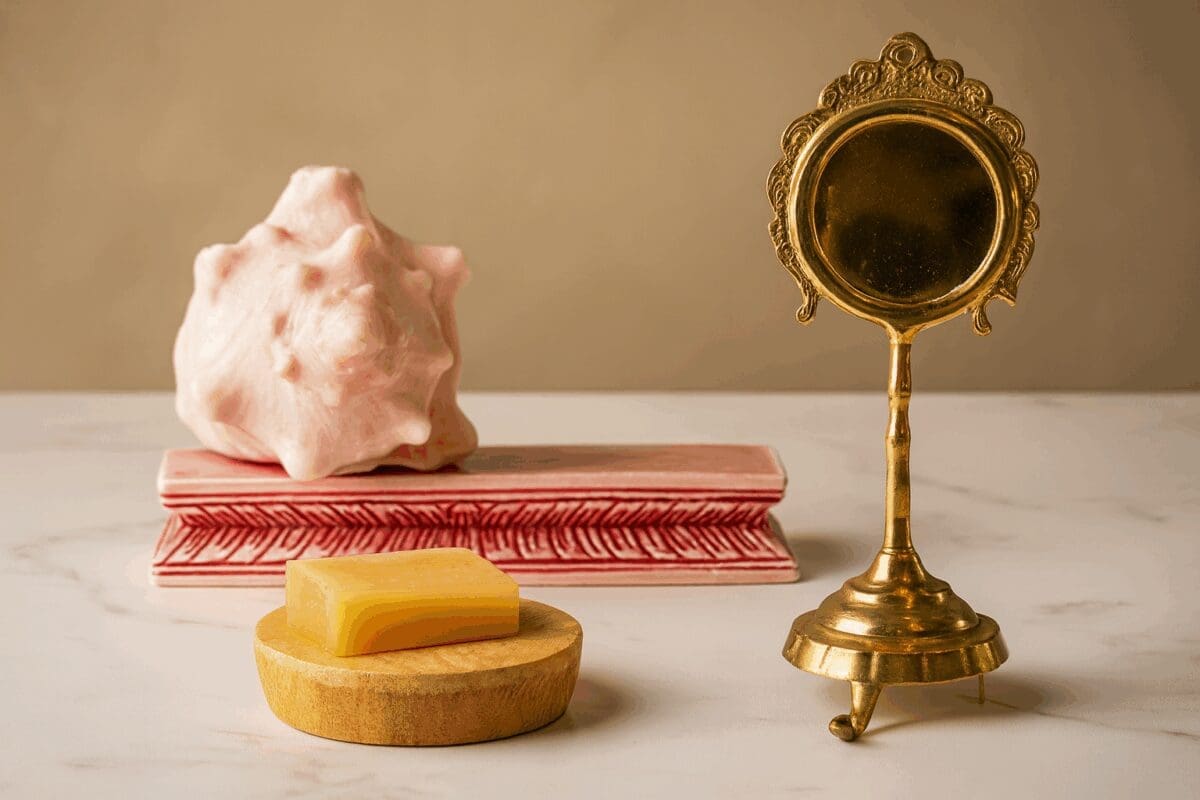
Snan Darpan: for Shri Jagannath mahaprabhu's bathing rituals
₹ 23,745.00
-
×
Patani lagi murti
₹ 11,720.00
-
×
Nava Graha Marbal Murti
₹ 27,375.00
-
×
Niradrinath gift hamper
₹ 7,436.00
-
×
Krishna Rupam
₹ 36,598.00
-
×
Handmade Wooden Pen Stand
₹ 879.00
-
×
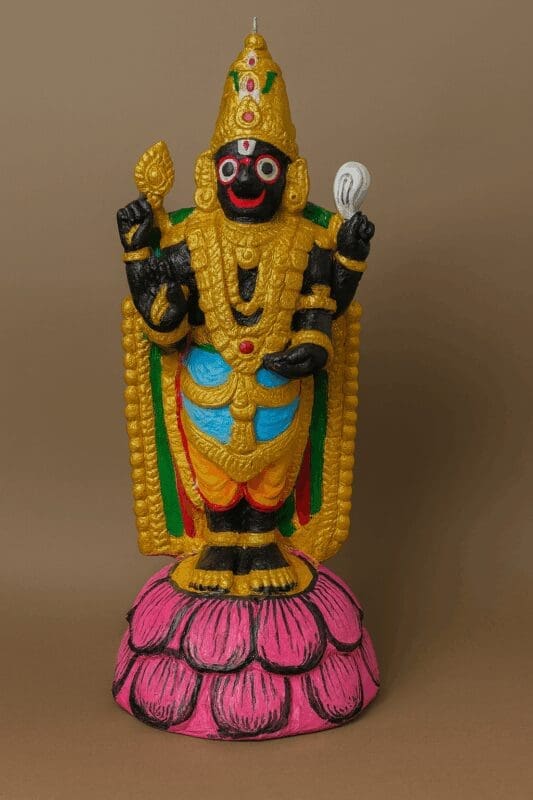
Padmanav Rupam (Anant sayan)
₹ 12,439.00
-
×
Natural Light Filters
₹ 679.91
-
×
The origin story of Shri Jagannath
₹ 998.00
-
×
Jagannath mahaprabhus Jhulana Palinki
₹ 249.00
-
×
Mohan Rupam
₹ 1,799.00
-
×
Madanmohan
₹ 4,999.00
-
×
Shri Balaji Jagannath Murti
₹ 9,009.00
-
×
Car Sticker
₹ 249.92
-
×
Shri Gita gobindam Book
₹ 999.00
-
×
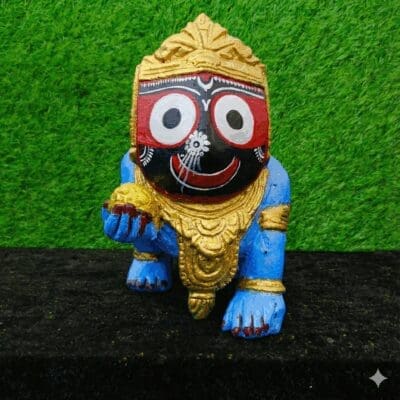
Baby Jagannath Mahaprabhu
₹ 4,301.00
-
×
Chandan lagi seva(sandal wood)
₹ 2,356.00
-
×
Shri Jagannath Magnet
₹ 189.00
-
×
Laxmi Rupam
₹ 2,499.00
-
×
Krishna Rupam
₹ 8,630.00
-
×
Dakhinabarti sankha (Small Size)
₹ 1,249.00
-
×
Alat: The divines hand fan
₹ 2,199.00
 Mohan Rupam With Ratna singhasan
  Navakeli Marbal Carved Design
 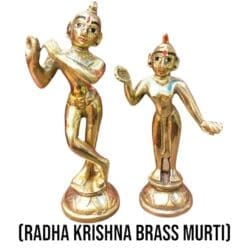 Radha Krishna Brass Murti
  Yagya Narayan
 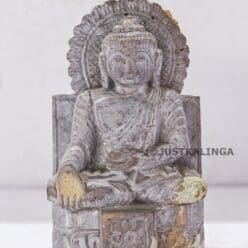 Shri Budha Stone Murti
  Shri Ganesh Nrutyam Mutri
 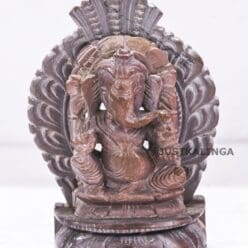 Shri Ganesh Mahaprabhu Murti With Singasana
  Shri Madan Mohan Brass Murti
 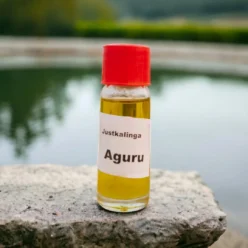 Aguru : The natural Perfume for Mahaprabhu
 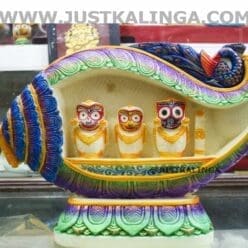 Shri Chatrudha Murti With Sankha marble
  Nila Chakra Gopuram (Brass Made )
 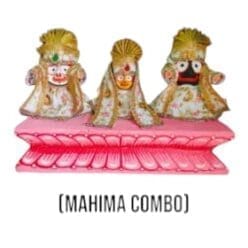 Mahima Combo
 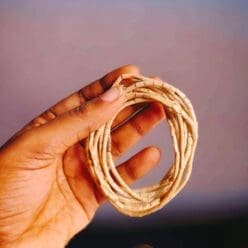 Tulasi Kanthi Mala
  Snan Darpan: for Shri Jagannath mahaprabhu's bathing rituals
  Patani lagi murti
  Nava Graha Marbal Murti
 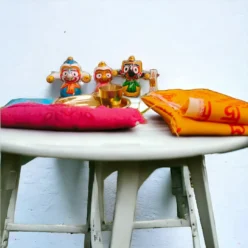 Niradrinath gift hamper
  Krishna Rupam
  Handmade Wooden Pen Stand
  Padmanav Rupam (Anant sayan)
  Natural Light Filters
  The origin story of Shri Jagannath
 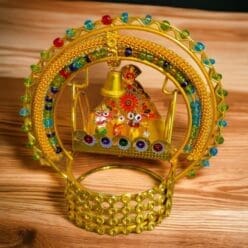 Jagannath mahaprabhus Jhulana Palinki
  Mohan Rupam
  Madanmohan
  Shri Balaji Jagannath Murti
 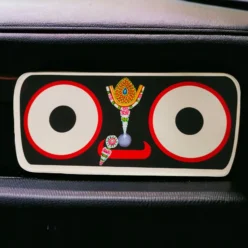 Car Sticker
 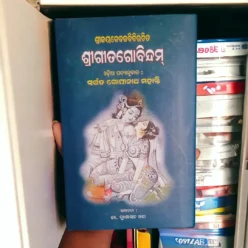 Shri Gita gobindam Book
  Baby Jagannath Mahaprabhu
 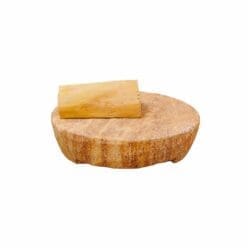 Chandan lagi seva(sandal wood)
 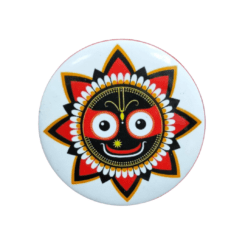 Shri Jagannath Magnet
  Laxmi Rupam
  Krishna Rupam
  Dakhinabarti sankha (Small Size)
  Alat: The divines hand fan
 You may be interested in…
-
Add
This product has multiple variants. The options may be chosen on the product page
Half-Shirt(Male)
From ₹ 1,499.00
-
Add
This product has multiple variants. The options may be chosen on the product page
Grace Shawl for Pooja/fastival moments and Temple Visit
From ₹ 675.00
-
Add
This product has multiple variants. The options may be chosen on the product page
Sun-Moon Flag From Shrikhetra Dham
From ₹ 239.00
-
Add
This product has multiple variants. The options may be chosen on the product page
Kamarpati ( 3 parts )
From ₹ 679.00
-
Add
The divine Tulasi Kanthi Mali
Original price was: ₹ 999.00.₹ 599.00Current price is: ₹ 599.00.