
-
×
 Gaumukhi sankha
₹ 6,874.00
Gaumukhi sankha
₹ 6,874.00 -
×
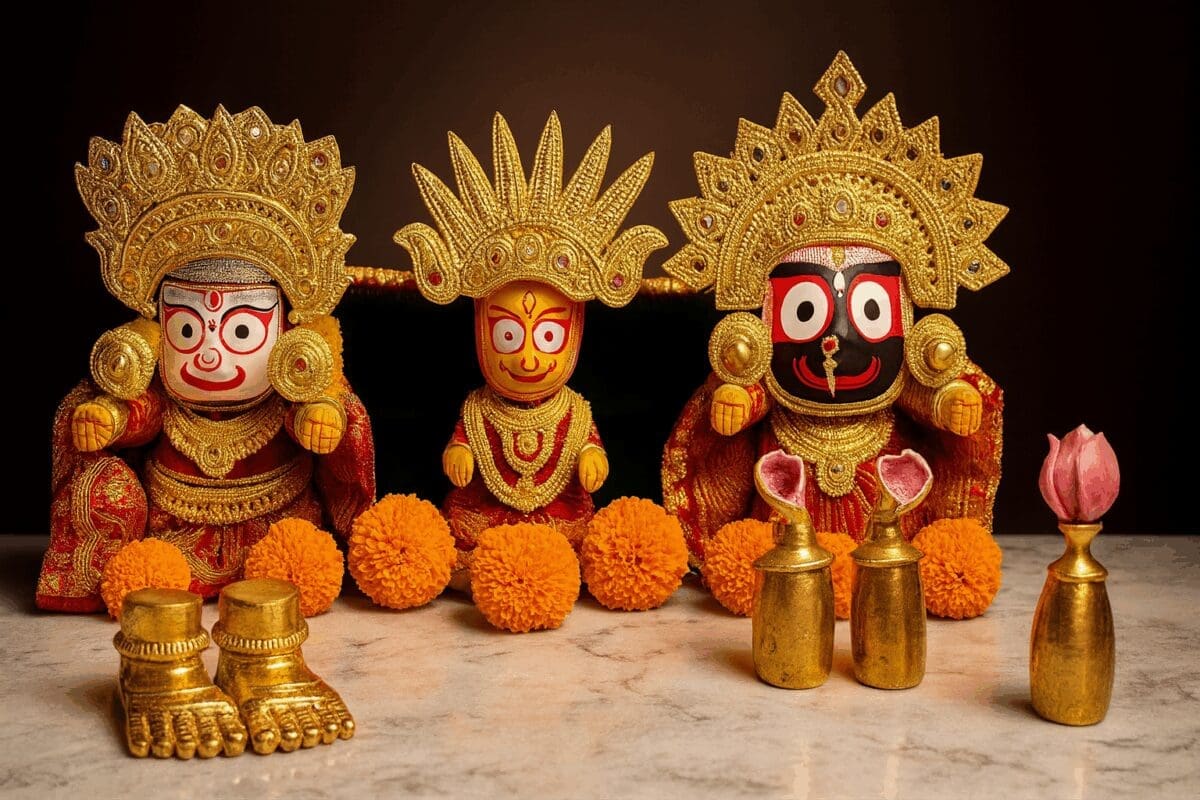
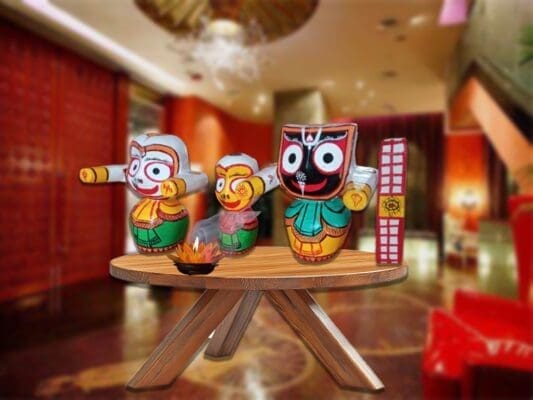
 Shri Jagannath Mahaprabhu's welcome combo
₹ 11,230.00
Shri Jagannath Mahaprabhu's welcome combo
₹ 11,230.00 -
×
Dakhinabarti sankha
₹ 1,399.00
-
×
Ghantua: One who ring the bell
₹ 10,998.00
-
×
Sambhu Jagannath Locket
₹ 1,698.00
-
×
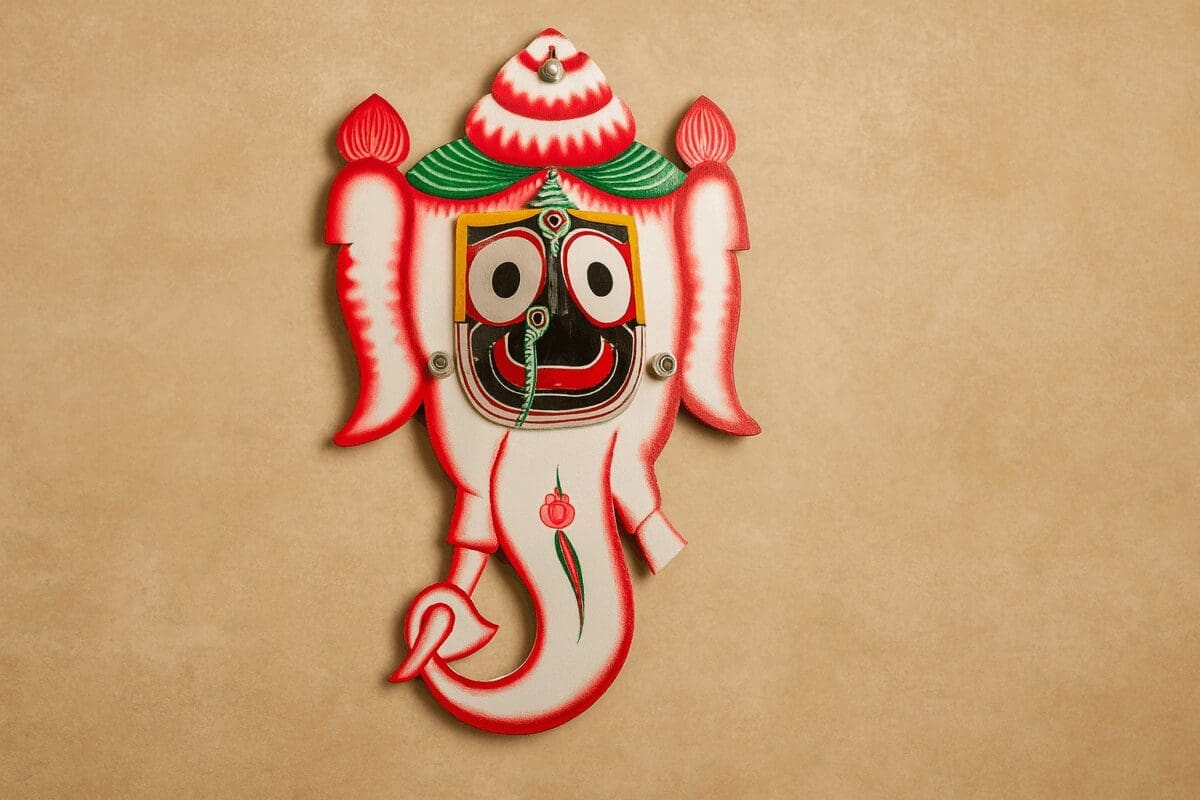
Beutiful shri jagannath Mahaprabhu Car/wall hanging
₹ 2,020.00
-
×
Nila Madhav Combo
₹ 13,559.00
-
×
Shri Chatrudha Mahaprabhu Pink Stone Murti
₹ 6,239.00
-
×
Niladrinath Gift Hamper
₹ 8,899.00
-
×
Panchatrirth Water
₹ 500.00
-
×
Shri Jagannath Locket(Black)
₹ 875.00
-
×
Alat: The divines hand fan
₹ 2,199.00
-
×
The beautifully painted conch
₹ 999.00
-
×
Gift combo
₹ 5,709.00
-
×
Handmade Wooden Pen Stand
₹ 879.00
-
×
A Brife Look At Shri Jagannath Temple (Book)
₹ 1,250.00
-
×
Niradrinath gift hamper
₹ 11,154.00
-
×
Ancient Tribal Art
₹ 3,499.00
-
×
Tulasi Mala with Jagannath locket
₹ 2,299.00
-
×
Ganapati Shankha
₹ 3,624.00
-
×
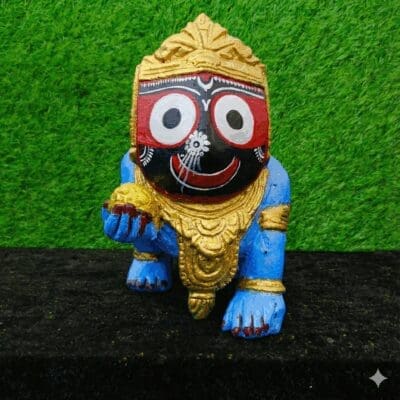
Baby Jagannath Mahaprabhu
₹ 4,301.00
-
×
The divine Tulasi Kanthi Mali
₹ 599.00
-
×
Beutiful shri jagannath Mahaprabhu Car/wall hanging
₹ 500.00
-
×
Patitopaban Mahaprabhu Murti With Glass framed
₹ 2,565.00
-
×
Wooden Patitapawan temple
₹ 759.00
-
×
Devi Saraswati Marble Murti
₹ 3,739.00
-
×
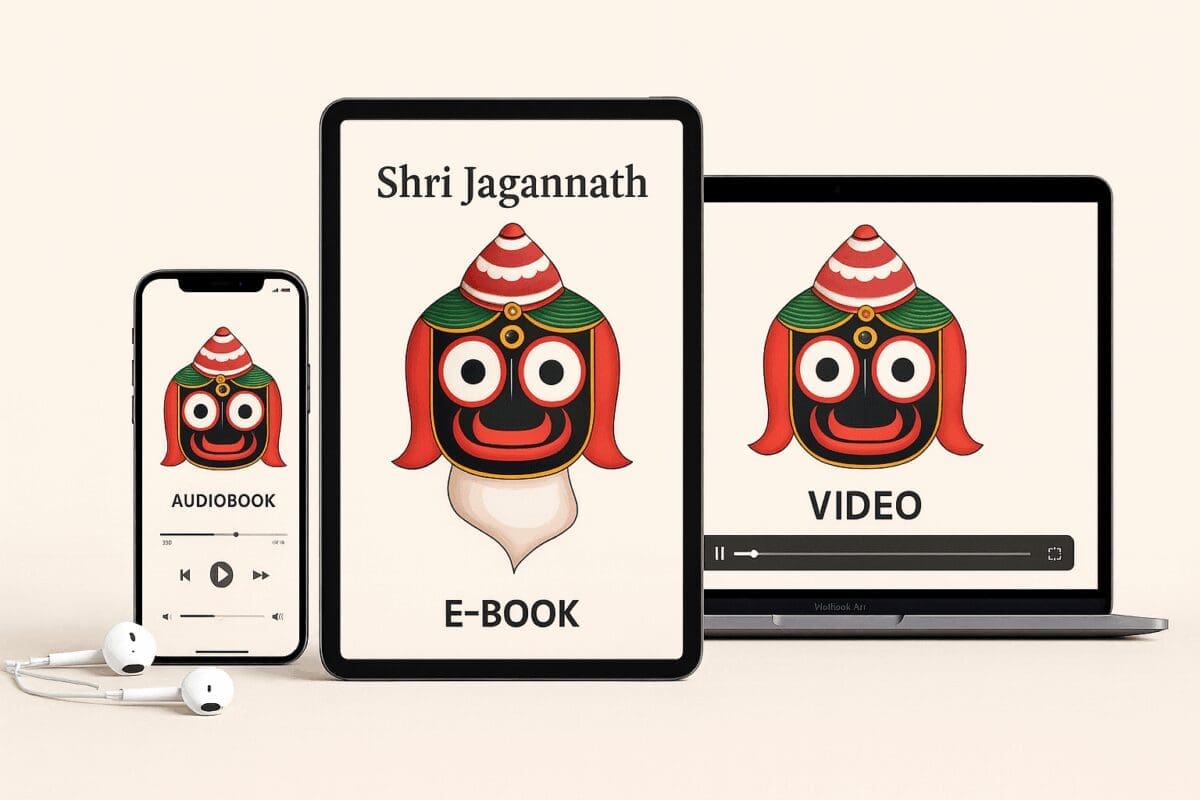
The origin story of Shri Jagannath
₹ 499.00
-
×
Nila Chakra Gopuram (Brass Made )
₹ 4,345.00
-
×
Panchamukhi Sankha
₹ 5,312.00
-
×
Ancient Tribal Art
₹ 3,125.00
-
×
Ancient Tribal Art
₹ 2,125.00
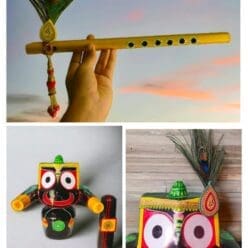 Shri Jagannath Mahaprabhu's welcome combo
 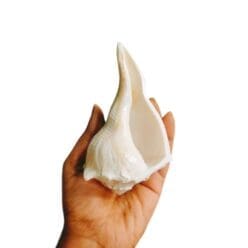 Dakhinabarti sankha
 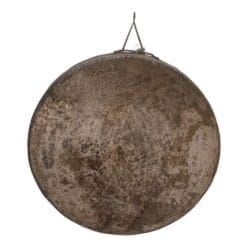 Ghantua: One who ring the bell
  Sambhu Jagannath Locket
 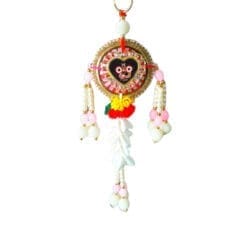 Beutiful shri jagannath Mahaprabhu Car/wall hanging
  Nila Madhav Combo
 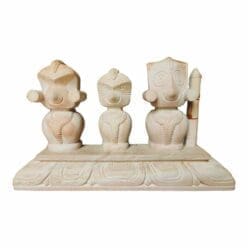 Shri Chatrudha Mahaprabhu Pink Stone Murti
 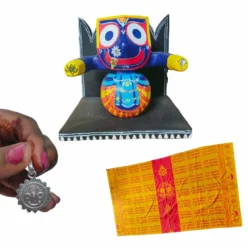 Niladrinath Gift Hamper
  Panchatrirth Water
 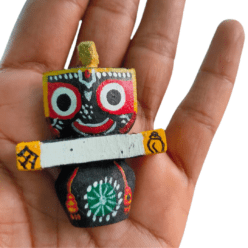 Shri Jagannath Locket(Black)
  Alat: The divines hand fan
 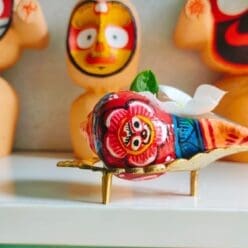 The beautifully painted conch
  Gift combo
  Handmade Wooden Pen Stand
 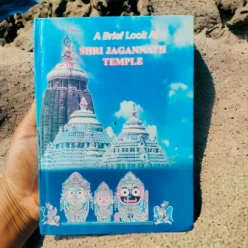 A Brife Look At Shri Jagannath Temple (Book)
 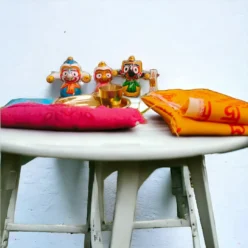 Niradrinath gift hamper
  Ancient Tribal Art
 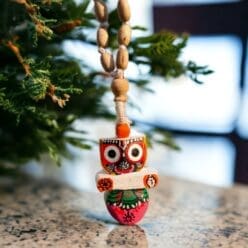 Tulasi Mala with Jagannath locket
  Ganapati Shankha
 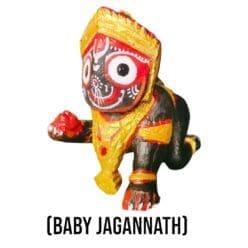 Baby Jagannath Mahaprabhu
  The divine Tulasi Kanthi Mali
 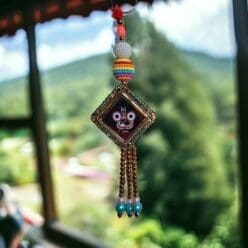 Beutiful shri jagannath Mahaprabhu Car/wall hanging
  Patitopaban Mahaprabhu Murti With Glass framed
 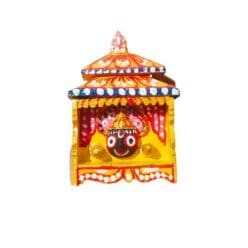 Wooden Patitapawan temple
  Devi Saraswati Marble Murti
  The origin story of Shri Jagannath
  Nila Chakra Gopuram (Brass Made )
 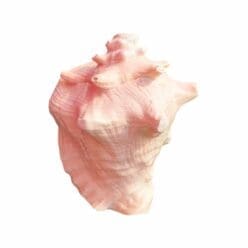 Panchamukhi Sankha
  Ancient Tribal Art
 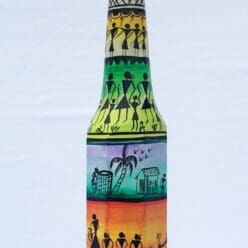 Ancient Tribal Art
 You may be interested in…
-
Add
This product has multiple variants. The options may be chosen on the product page
Shri Jagannath grace Blazer
From ₹ 6,159.00
-
Add
This product has multiple variants. The options may be chosen on the product page
Grace Shawl for Pooja/fastival moments and Temple Visit
From ₹ 675.00
-
Add
This product has multiple variants. The options may be chosen on the product page
Sun-Moon Flag From Shrikhetra Dham
From ₹ 239.00
-
Add
This product has multiple variants. The options may be chosen on the product page
Kamarpati ( 3 parts )
From ₹ 679.00
-
Add
This product has multiple variants. The options may be chosen on the product page
Stand For Sankha
From ₹ 325.00