
-
×
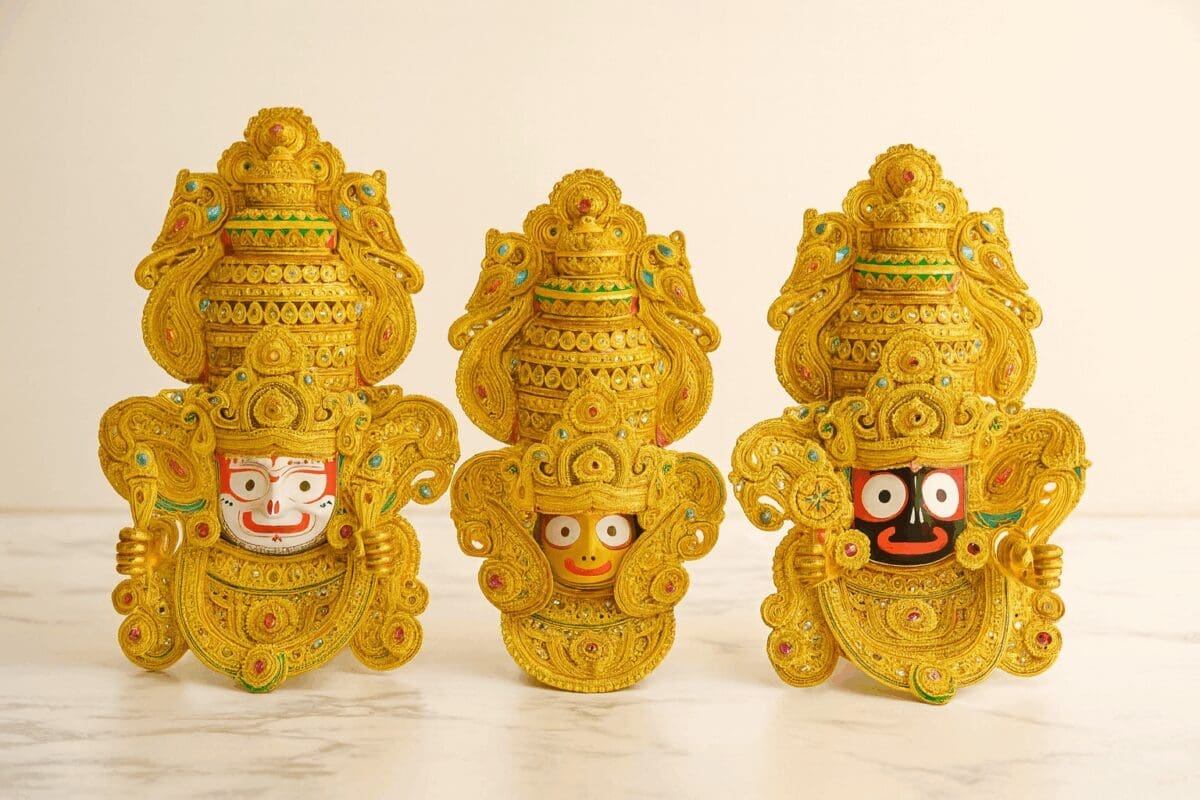
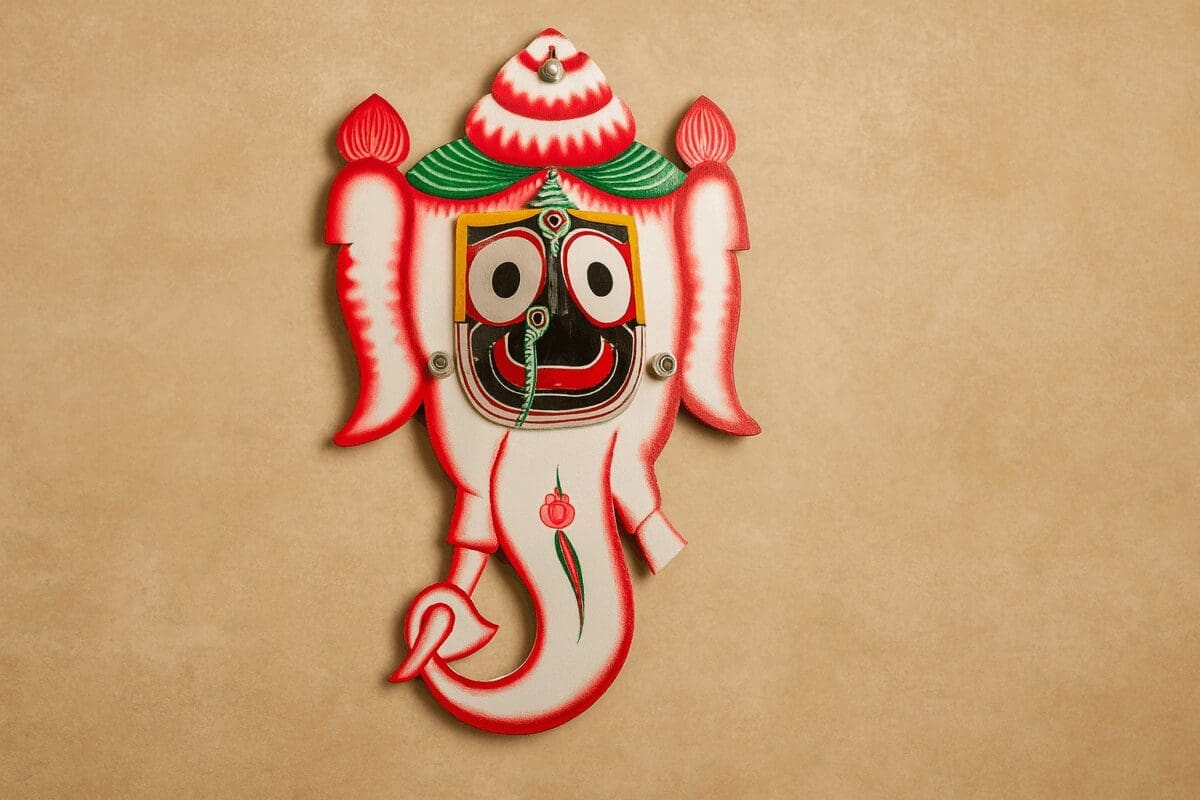
 Wall hanger
₹ 3,750.00
Wall hanger
₹ 3,750.00 -
×
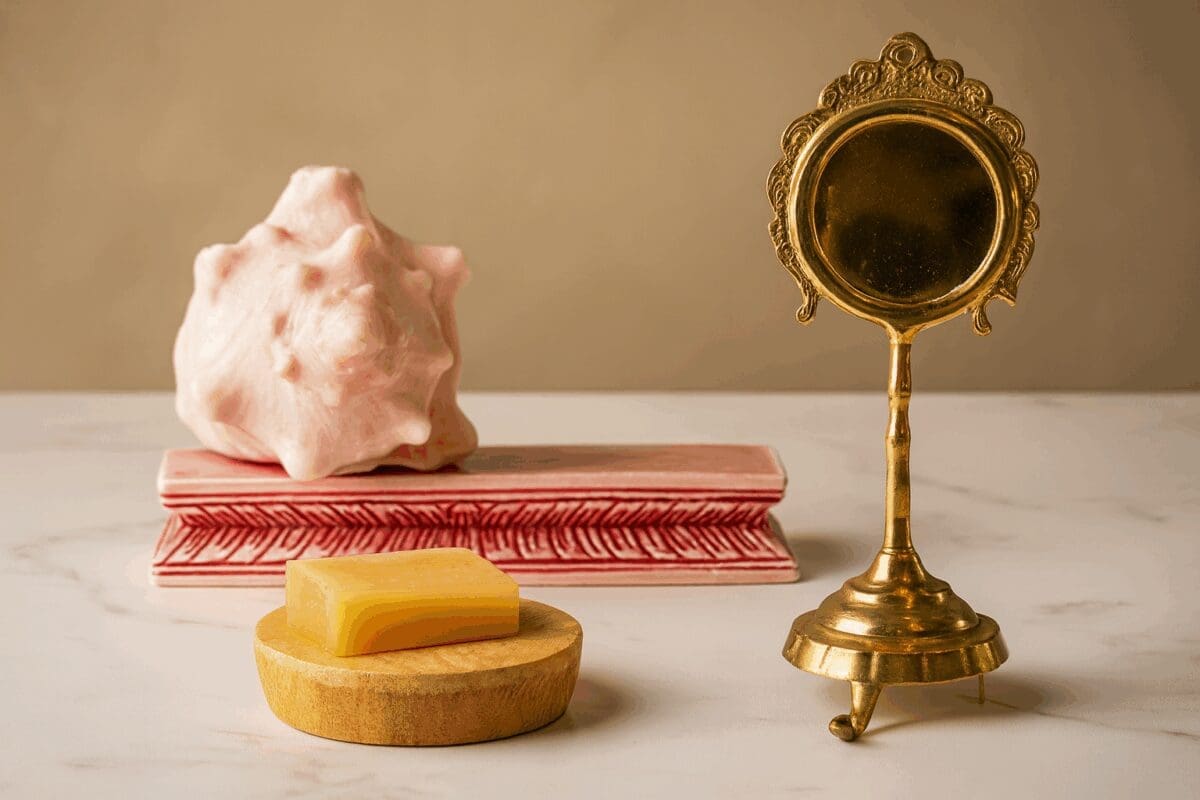
 Niladrinath Gift Hamper
₹ 26,697.00
Niladrinath Gift Hamper
₹ 26,697.00 -
×
Sambhu Jagannath Locket
₹ 3,396.00
-
×
Nila Chakra Gopuram (Brass Made )
₹ 8,690.00
-
×
Aguru : The natural Perfume for Mahaprabhu
₹ 2,397.00
-
×
Handmade Bamboo Basket
₹ 1,005.00
-
×
Panchamukhi Sankha
₹ 5,312.00
-
×
Laxmi Rupam Of Shri Jagannath Mahaprabhu
₹ 2,499.00
-
×
Jagannath mahaprabhus Jhulana Palinki
₹ 249.00
-
×
Panchatrirth Water
₹ 500.00
-
×
Traditional handmade boita(boat)
₹ 3,198.00
-
×
Ganapati Shankha
₹ 3,624.00
-
×
The divine Tulasi Kanthi Mali
₹ 599.00
-
×
Ancient Tribal Art
₹ 3,499.00
-
×
Shri Jagannath Durga Madhav Combo
₹ 12,230.00
-
×
Wooden Patitapawan temple
₹ 1,518.00
-
×
Chua Oil
₹ 998.00
-
×
Snan Darpan: for Shri Jagannath mahaprabhu's bathing rituals
₹ 3,500.00
-
×
wall hanging Jhumar Big Size
₹ 999.00
-
×
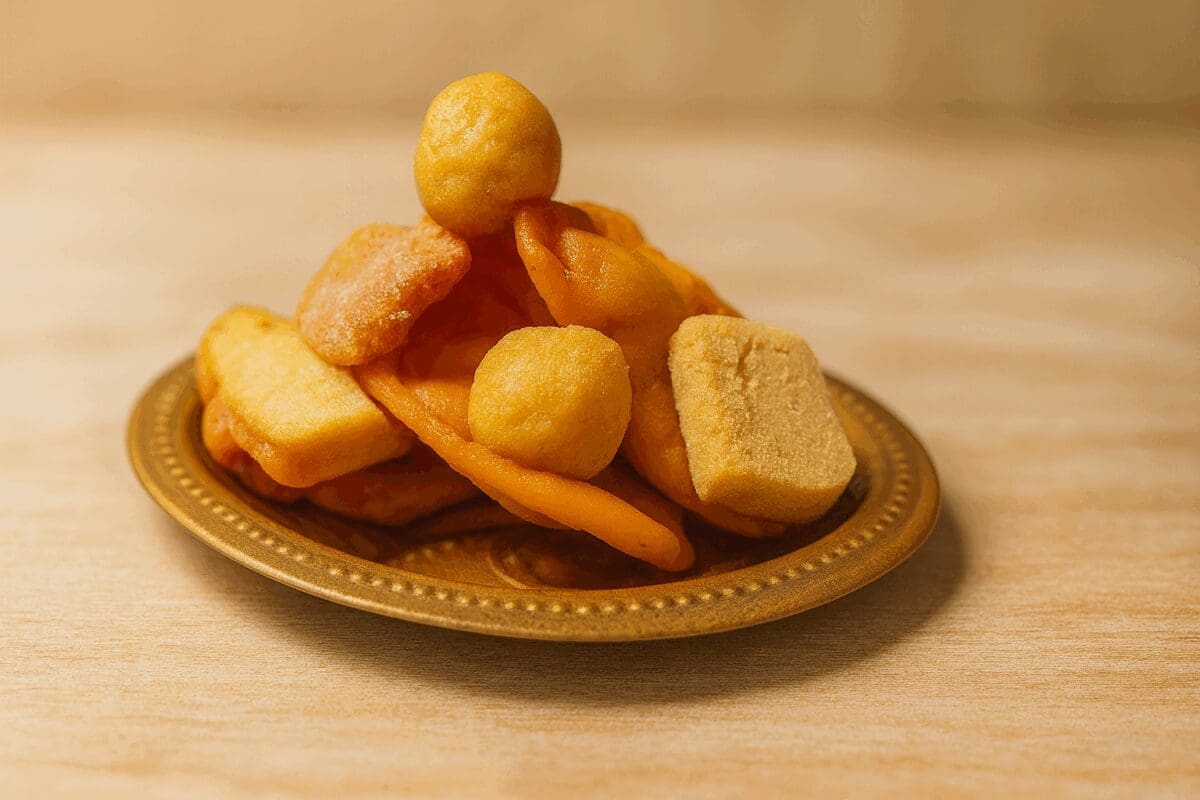
Process of making graceful Bhogas pdf
₹ 319.00
-
×
Yogi rupam with Singhasan
₹ 5,749.00
-
×
The divine Tulasi Kanthi Mali
₹ 799.00
-
×
Dhanwani sankha(Blowing Sankha)
₹ 1,874.00
-
×
The origin story of Shri Jagannath
₹ 499.00
-
×
Traditional handmade boita(boat)
₹ 1,455.00
-
×
Justkalinga.com Traditional Jodo (Dhoti + Uttariya)
₹ 5,549.00
-
×
A Brife Look At Shri Jagannath Temple (Book)
₹ 625.00
-
×
Shri Jagannath Magnet
₹ 567.00
-
×
Ancient Tribal Art
₹ 3,375.00
-
×
Handmade Wooden Rath For Shri Jagannath Mahaprabhu
₹ 3,459.00
-
×
Key Chain
₹ 245.00
-
×
Snan Darpan: for Shri Jagannath mahaprabhu's bathing rituals
₹ 4,749.00
-
×
Tulasi Jagannath Locket
₹ 2,811.00
-
×
Ancient Tribal Art
₹ 2,125.00
-
×
Silver locket
₹ 3,456.00
-
×
Bije kahali For Shri Jagannath Mahaprabhu
₹ 1,499.00
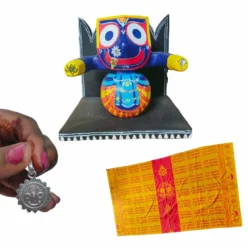 Niladrinath Gift Hamper
  Sambhu Jagannath Locket
  Nila Chakra Gopuram (Brass Made )
 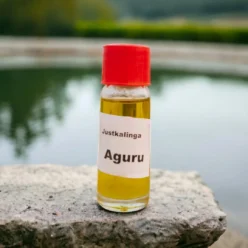 Aguru : The natural Perfume for Mahaprabhu
  Handmade Bamboo Basket
 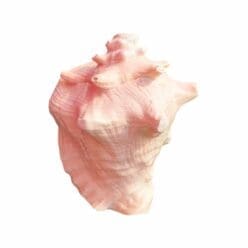 Panchamukhi Sankha
  Laxmi Rupam Of Shri Jagannath Mahaprabhu
 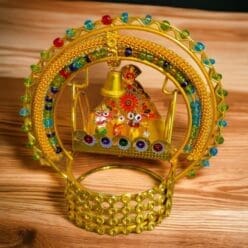 Jagannath mahaprabhus Jhulana Palinki
  Panchatrirth Water
  Traditional handmade boita(boat)
  Ganapati Shankha
  The divine Tulasi Kanthi Mali
  Ancient Tribal Art
 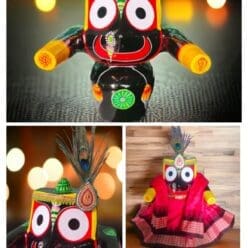 Shri Jagannath Durga Madhav Combo
 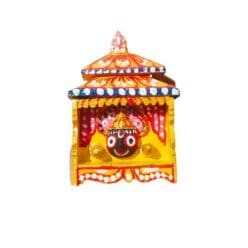 Wooden Patitapawan temple
 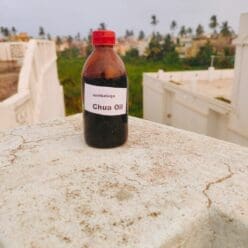 Chua Oil
  Snan Darpan: for Shri Jagannath mahaprabhu's bathing rituals
  wall hanging Jhumar Big Size
 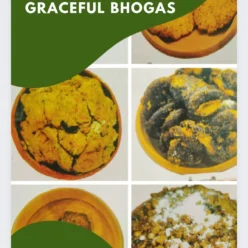 Process of making graceful Bhogas pdf
  Yogi rupam with Singhasan
 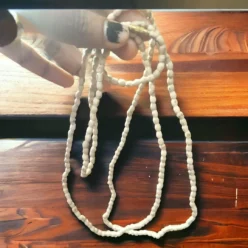 The divine Tulasi Kanthi Mali
 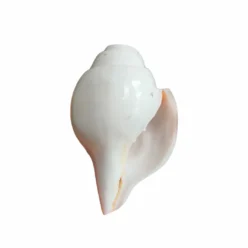 Dhanwani sankha(Blowing Sankha)
  The origin story of Shri Jagannath
 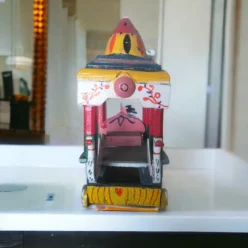 Traditional handmade boita(boat)
  Justkalinga.com Traditional Jodo (Dhoti + Uttariya)
 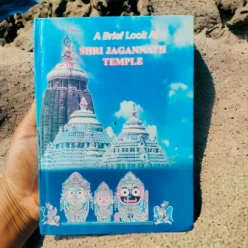 A Brife Look At Shri Jagannath Temple (Book)
 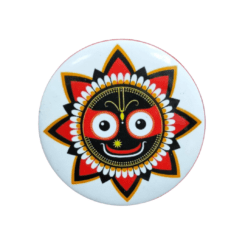 Shri Jagannath Magnet
 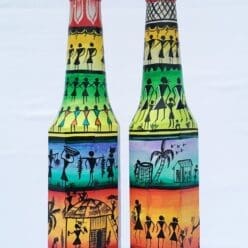 Ancient Tribal Art
  Handmade Wooden Rath For Shri Jagannath Mahaprabhu
  Key Chain
  Snan Darpan: for Shri Jagannath mahaprabhu's bathing rituals
  Tulasi Jagannath Locket
 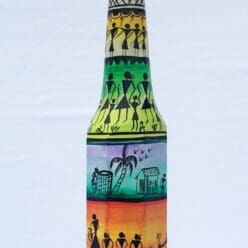 Ancient Tribal Art
  Silver locket
  Bije kahali For Shri Jagannath Mahaprabhu
 You may be interested in…
-
Add
This product has multiple variants. The options may be chosen on the product page
Shri Jagannath grace Blazer
From ₹ 6,159.00
-
Add
This product has multiple variants. The options may be chosen on the product page
Grace Shawl for Pooja/fastival moments and Temple Visit
From ₹ 675.00
-
Add
This product has multiple variants. The options may be chosen on the product page
Sun-Moon Flag From Shrikhetra Dham
From ₹ 239.00
-
Add
This product has multiple variants. The options may be chosen on the product page
The divine Japa Mali
From ₹ 1,239.00
-
Add
Castor Oil For Your Pooja
Original price was: ₹ 599.00.₹ 439.00Current price is: ₹ 439.00.