
-
×
 Dakhinabarti sankha (Small Size)
₹ 2,498.00
Dakhinabarti sankha (Small Size)
₹ 2,498.00 -
×
 Ghantua: One who ring the bell
₹ 5,499.00
Ghantua: One who ring the bell
₹ 5,499.00 -
×
Jagannath mahaprabhus Jhulana Palinki
₹ 747.00
-
×
The divine Tulasi Kanthi Mali
₹ 599.00
-
×
Krishna Kanth Mayoor Locket
₹ 199.00
-
×
Ancient Tribal Art
₹ 3,499.00
-
×
Ancient Tribal Art
₹ 2,249.00
-
×
Mahaprabhu Marbles Art Idol
₹ 1,249.00
-
×
Justkalinga.com Traditional Jodo (Dhoti + Uttariya)
₹ 11,098.00
-
×
Silver locket
₹ 2,849.00
-
×
Niradrinath gift hamper
₹ 5,577.00
-
×
Dhyana Yantra
₹ 105,625.00
-
×
Handmade Bamboo Basket
₹ 2,010.00
-
×
The divine Tulasi Kanthi Mali
₹ 799.00
-
×
Shri Ganesh with Sankha Carved Design Murti
₹ 2,079.00
-
×
Chandan lagi seva(sandal wood)
₹ 2,356.00
-
×
Shri Jagannath "Lockets"
₹ 849.00
-
×
Aguru : The natural Perfume for Mahaprabhu
₹ 799.00
-
×
Beautiful Tulasi Wood Bracelet
₹ 3,897.00
-
×
Shri Chatrudha Mahaprabhu Murti
₹ 3,315.00
-
×
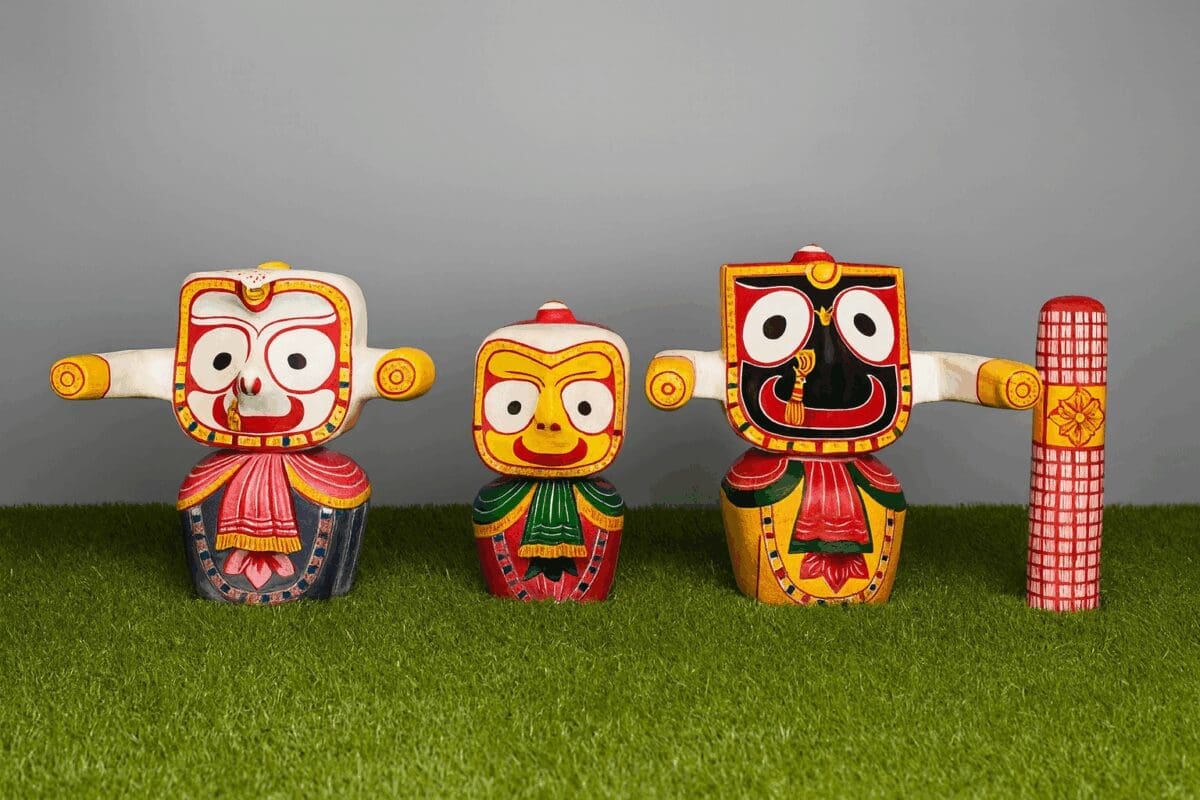
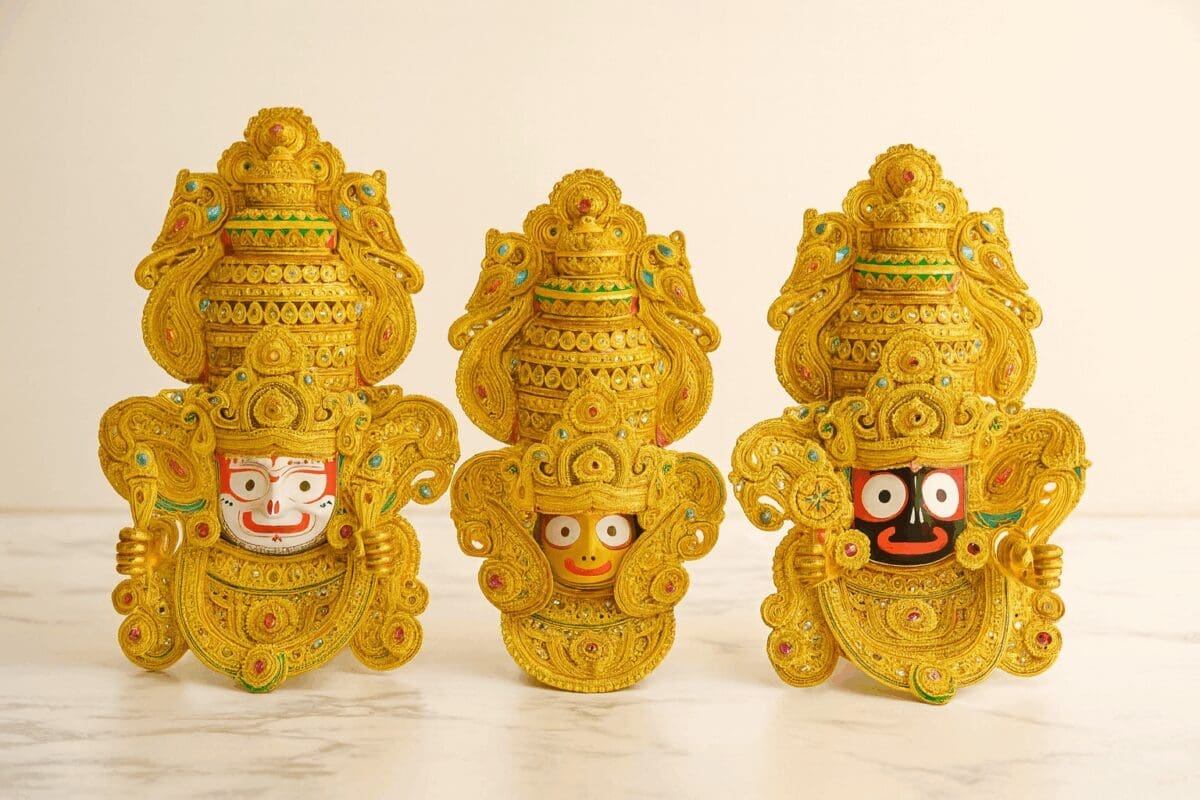
Golden Radiance jagannath Trio
₹ 10,249.00
-
×
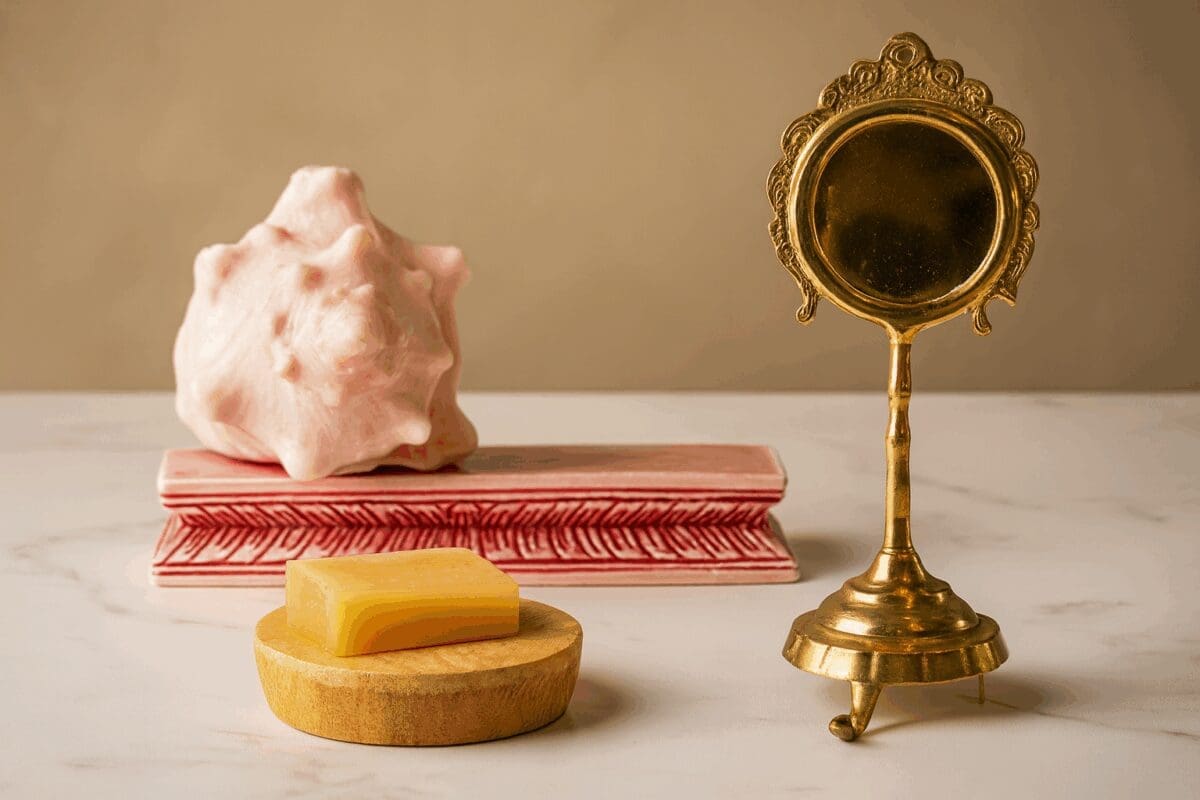
Snan Darpan: for Shri Jagannath mahaprabhu's bathing rituals
₹ 4,749.00
-
×
Shri Gita gobindam Book
₹ 999.00
-
×
Shri Jagannath's Locket(Silver)
₹ 3,064.00
-
×
2024-2025 Jagannath Mahaprabhus divine Besa Calendar PDF File
₹ 15.00
-
×
Sambhu Jagannath Locket
₹ 849.00
-
×
Niladrinath Gift Hamper
₹ 8,899.00
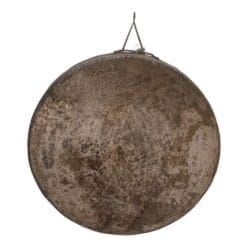 Ghantua: One who ring the bell
 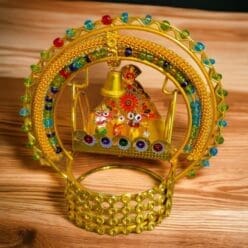 Jagannath mahaprabhus Jhulana Palinki
  The divine Tulasi Kanthi Mali
  Krishna Kanth Mayoor Locket
  Ancient Tribal Art
  Ancient Tribal Art
 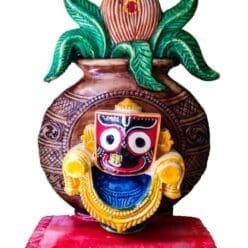 Mahaprabhu Marbles Art Idol
  Justkalinga.com Traditional Jodo (Dhoti + Uttariya)
  Silver locket
 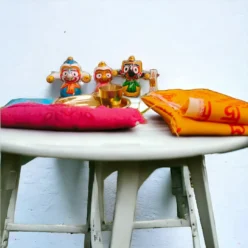 Niradrinath gift hamper
 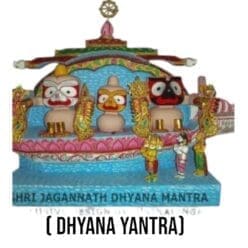 Dhyana Yantra
  Handmade Bamboo Basket
 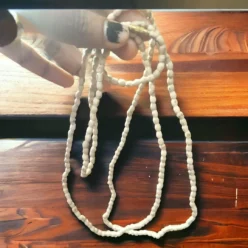 The divine Tulasi Kanthi Mali
  Shri Ganesh with Sankha Carved Design Murti
 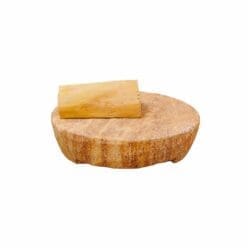 Chandan lagi seva(sandal wood)
  Shri Jagannath "Lockets"
 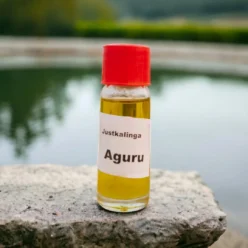 Aguru : The natural Perfume for Mahaprabhu
 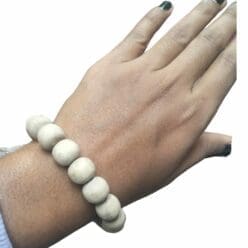 Beautiful Tulasi Wood Bracelet
 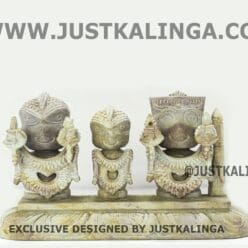 Shri Chatrudha Mahaprabhu Murti
  Golden Radiance jagannath Trio
  Snan Darpan: for Shri Jagannath mahaprabhu's bathing rituals
 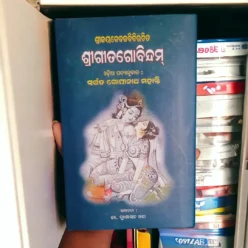 Shri Gita gobindam Book
  Shri Jagannath's Locket(Silver)
 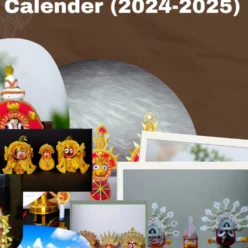 2024-2025 Jagannath Mahaprabhus divine Besa Calendar PDF File
  Sambhu Jagannath Locket
 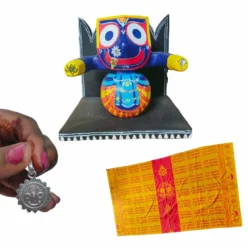 Niladrinath Gift Hamper
 You may be interested in…
-
Add
Badge
Original price was: ₹ 299.00.₹ 219.00Current price is: ₹ 219.00.
-
Add
This product has multiple variants. The options may be chosen on the product page
Half-Shirt(Male)
From ₹ 1,499.00
-
Add
This product has multiple variants. The options may be chosen on the product page
Grace Shawl for Pooja/fastival moments and Temple Visit
From ₹ 675.00
-
Add
This product has multiple variants. The options may be chosen on the product page
Stand For Sankha
From ₹ 325.00
-
Add
This product has multiple variants. The options may be chosen on the product page
The divine Japa Mali
From ₹ 1,239.00