
-
×
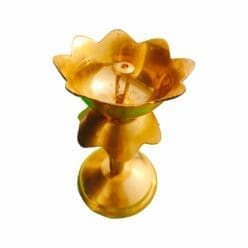 Lotus Diya
₹ 23,976.00
Lotus Diya
₹ 23,976.00 -
×
 Niladrinath Gift Hamper
₹ 231,374.00
Niladrinath Gift Hamper
₹ 231,374.00 -
×
The divine Tulasi Kanthi Mali
₹ 589.00
-
×
Nila Chakra of shri Jagannath Temple For Your Home
₹ 1,249.00
-
×
Aguru : The natural Perfume for Mahaprabhu
₹ 5,593.00
-
×
Chua Oil
₹ 1,497.00
-
×
The origin story of Shri Jagannath
₹ 499.00
-
×
Shri Ganesh Mahaprabhu Murti With Singasana
₹ 1,939.00
-
×
Niradrinath gift hamper
₹ 13,013.00
-
×
Chandan lagi seva(sandal wood)
₹ 4,712.00
-
×
Shri Jagannath's Nagarjun Besha (8 Parts)
₹ 1,249.00
-
×
Super quality crystal glass turtle-decrorative show piece.
₹ 689.00
-
×
Natural Light Filters
₹ 1,147.32
-
×
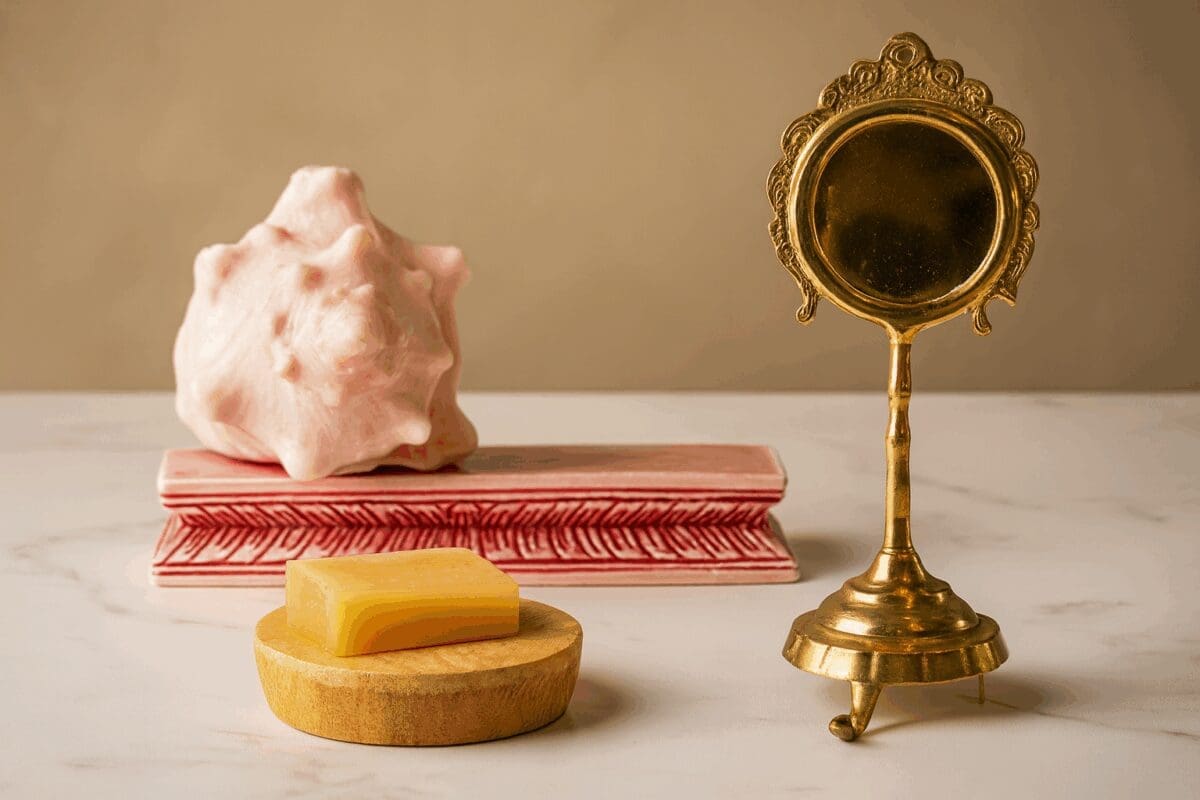
Snan Darpan: for Shri Jagannath mahaprabhu's bathing rituals
₹ 14,247.00
-
×
Shri Ganesh Nrutyam Mutri
₹ 1,499.92
-
×
Beutiful shri jagannath Mahaprabhu Car/wall hanging
₹ 600.00
-
×
Ancient Tribal Art
₹ 3,125.00
-
×
Bije kahali For Shri Jagannath Mahaprabhu
₹ 1,499.00
-
×
Netra Utstav :The day of re-consecration (AUDIO & PDF FILES)
₹ 99.00
-
×
Jagannath mahaprabhus Jhulana Palinki
₹ 498.00
-
×
Alat: The divines hand fan
₹ 2,149.00
-
×
Panchamukhi Hanuman Murti
₹ 5,615.00
-
×
Patitopaban Mahaprabhu Murti With Glass framed
₹ 2,565.00
-
×
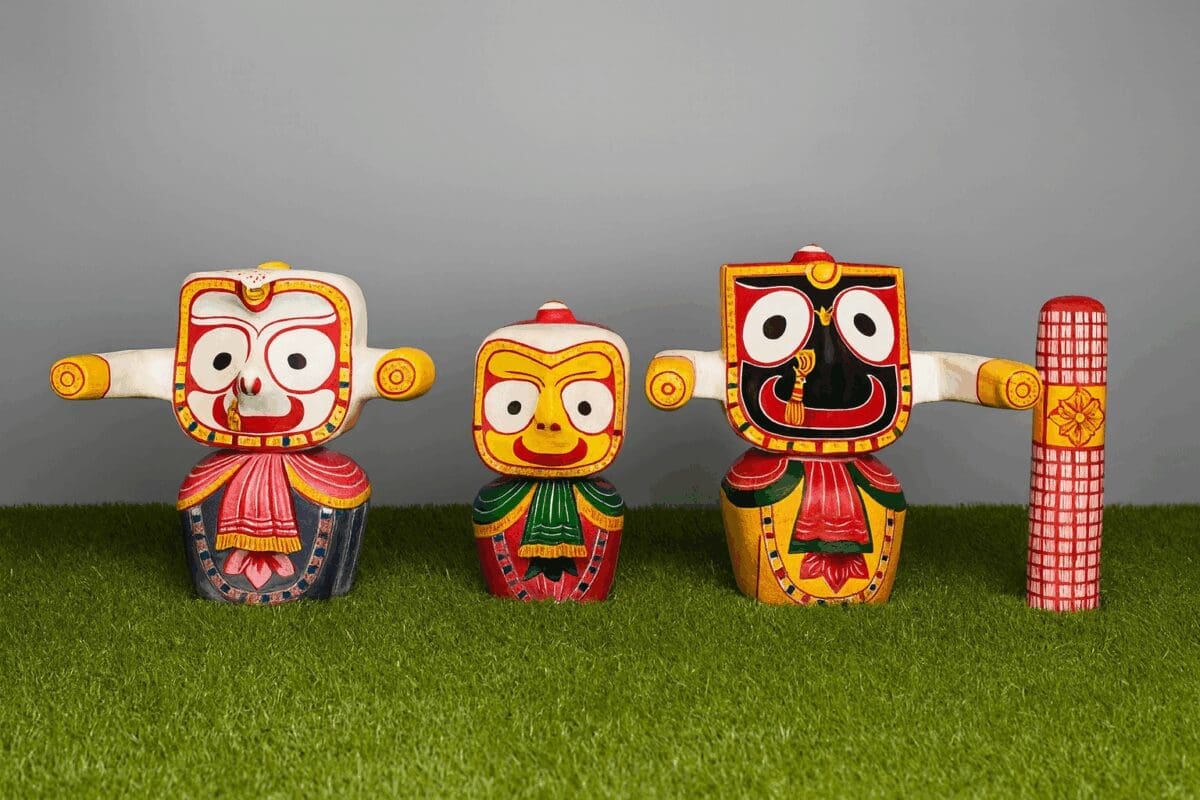
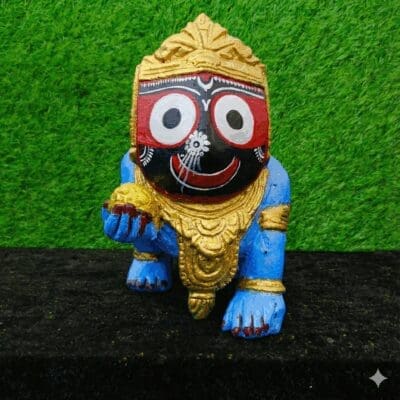
Baby Jagannath Mahaprabhu
₹ 4,301.00
-
×
Dakhinabarti sankha (Small Size)
₹ 3,747.00
-
×
Locket
₹ 879.00
-
×
Snan Darpan: for Shri Jagannath mahaprabhu's bathing rituals
₹ 3,500.00
-
×
Beutiful shri jagannath Mahaprabhu Car/wall hanging
₹ 900.00
-
×
Raja Rupam (Round Body)
₹ 3,487.00
-
×
Ancient Tribal Art
₹ 1,949.00
-
×
Tulasi Kanthi Mala
₹ 439.00
-
×
Car Sticker
₹ 249.92
-
×
Padmanabha Rupam
₹ 3,236.00
-
×
Justkalinga.com Traditional Jodo (Dhoti + Uttariya)
₹ 5,549.00
-
×
Silver locket
₹ 3,929.00
-
×
The divine Tulasi Kanthi Mali with Locket
₹ 639.00
-
×
The divine Tulasi Kanthi Mali
₹ 599.00
-
×
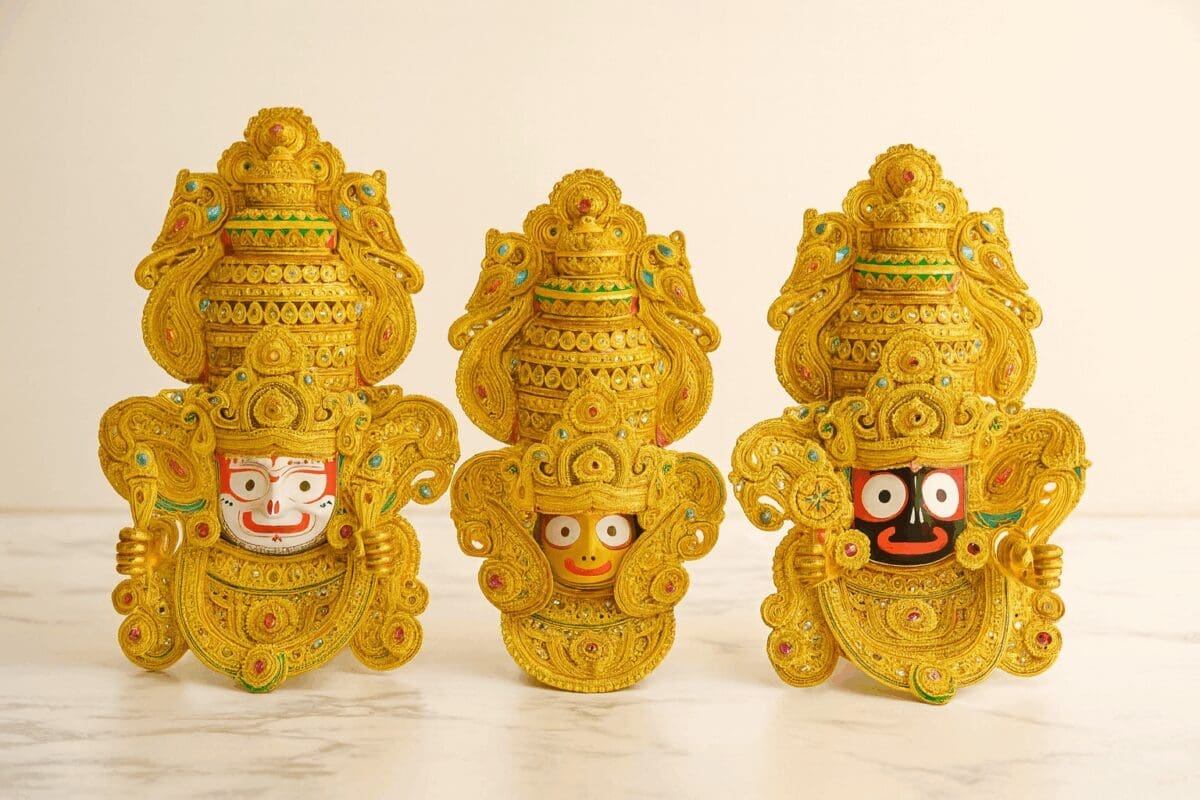
Golden Radiance jagannath Trio
₹ 10,249.00
-
×
Tulasi Mala with Jagannath locket
₹ 2,299.00
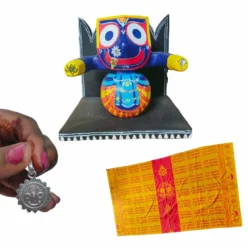 Niladrinath Gift Hamper
  The divine Tulasi Kanthi Mali
 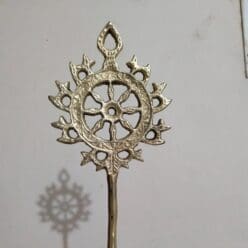 Nila Chakra of shri Jagannath Temple For Your Home
 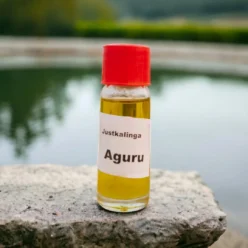 Aguru : The natural Perfume for Mahaprabhu
 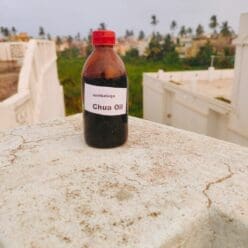 Chua Oil
  The origin story of Shri Jagannath
 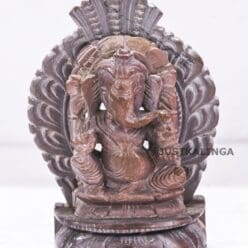 Shri Ganesh Mahaprabhu Murti With Singasana
 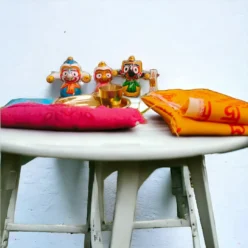 Niradrinath gift hamper
 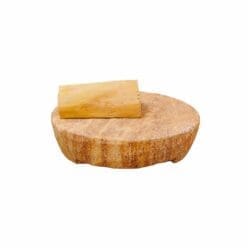 Chandan lagi seva(sandal wood)
  Shri Jagannath's Nagarjun Besha (8 Parts)
  Super quality crystal glass turtle-decrorative show piece.
 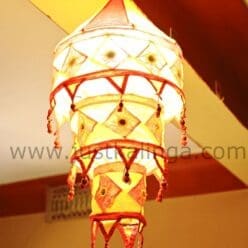 Natural Light Filters
  Snan Darpan: for Shri Jagannath mahaprabhu's bathing rituals
  Shri Ganesh Nrutyam Mutri
  Beutiful shri jagannath Mahaprabhu Car/wall hanging
  Ancient Tribal Art
  Bije kahali For Shri Jagannath Mahaprabhu
  Netra Utstav :The day of re-consecration (AUDIO & PDF FILES)
 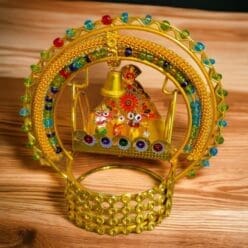 Jagannath mahaprabhus Jhulana Palinki
 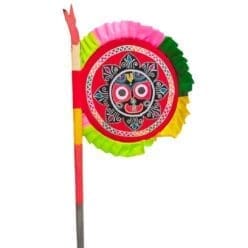 Alat: The divines hand fan
  Panchamukhi Hanuman Murti
  Patitopaban Mahaprabhu Murti With Glass framed
  Baby Jagannath Mahaprabhu
  Dakhinabarti sankha (Small Size)
  Locket
  Snan Darpan: for Shri Jagannath mahaprabhu's bathing rituals
  Beutiful shri jagannath Mahaprabhu Car/wall hanging
  Raja Rupam (Round Body)
 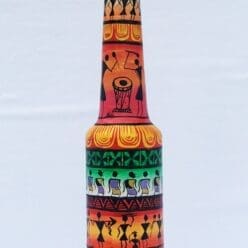 Ancient Tribal Art
 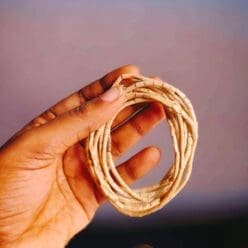 Tulasi Kanthi Mala
 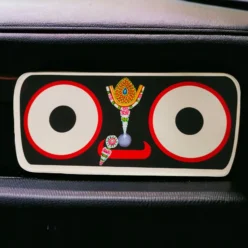 Car Sticker
 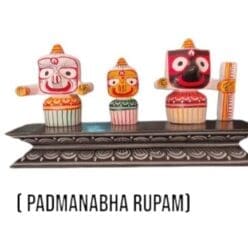 Padmanabha Rupam
  Justkalinga.com Traditional Jodo (Dhoti + Uttariya)
 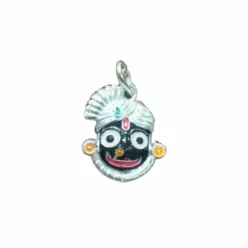 Silver locket
  The divine Tulasi Kanthi Mali with Locket
  The divine Tulasi Kanthi Mali
  Golden Radiance jagannath Trio
 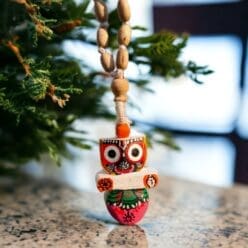 Tulasi Mala with Jagannath locket
 You may be interested in…
-
Add
Badge
Original price was: ₹ 2,599.00.₹ 2,045.00Current price is: ₹ 2,045.00.
-
Add
This product has multiple variants. The options may be chosen on the product page
Grace Shawl for Pooja/fastival moments and Temple Visit
From ₹ 675.00
-
Add
This product has multiple variants. The options may be chosen on the product page
Kamarpati ( 3 parts )
From ₹ 679.00
-
Add
Beautiful Tulasi Wood Bracelet
Original price was: ₹ 1,609.00.₹ 1,299.00Current price is: ₹ 1,299.00.
-
Add
This product has multiple variants. The options may be chosen on the product page
The divine Japa Mali
From ₹ 1,239.00