
-
×
 Wooden Patitapawan temple
₹ 2,277.00
Wooden Patitapawan temple
₹ 2,277.00 -
×
 Ancient Tribal Art
₹ 3,375.00
Ancient Tribal Art
₹ 3,375.00 -
×
Niradrinath gift hamper
₹ 3,718.00
-
×
Shri Sankha Flag From Shrikhetra Dham
₹ 387.00
-
×
Bije kahali For Shri Jagannath Mahaprabhu
₹ 4,497.00
-
×
Shri Gita gobindam Book
₹ 999.00
-
×
Snan Darpan: for Shri Jagannath mahaprabhu's bathing rituals
₹ 18,996.00
-
×
Justkalinga.com Traditional Jodo (Dhoti + Uttariya)
₹ 1,449.00
-
×
Lotus flower agrabati stand
₹ 499.00
-
×
Traditional Patachita Shagun Envelope
₹ 498.00
-
×
Dakhinabarti sankha (Small Size)
₹ 4,996.00
-
×
Justkalinga.com Traditional Jodo (Dhoti + Uttariya)
₹ 7,299.00
-
×
The origin story of Shri Jagannath
₹ 499.00
-
×
Chandan lagi seva(sandal wood)
₹ 11,780.00
-
×
Shri Jagannath's Marable Murti
₹ 1,699.92
-
×
Madanmohan
₹ 4,999.00
-
×
Jagannath mahaprabhus Jhulana Palinki
₹ 747.00
-
×
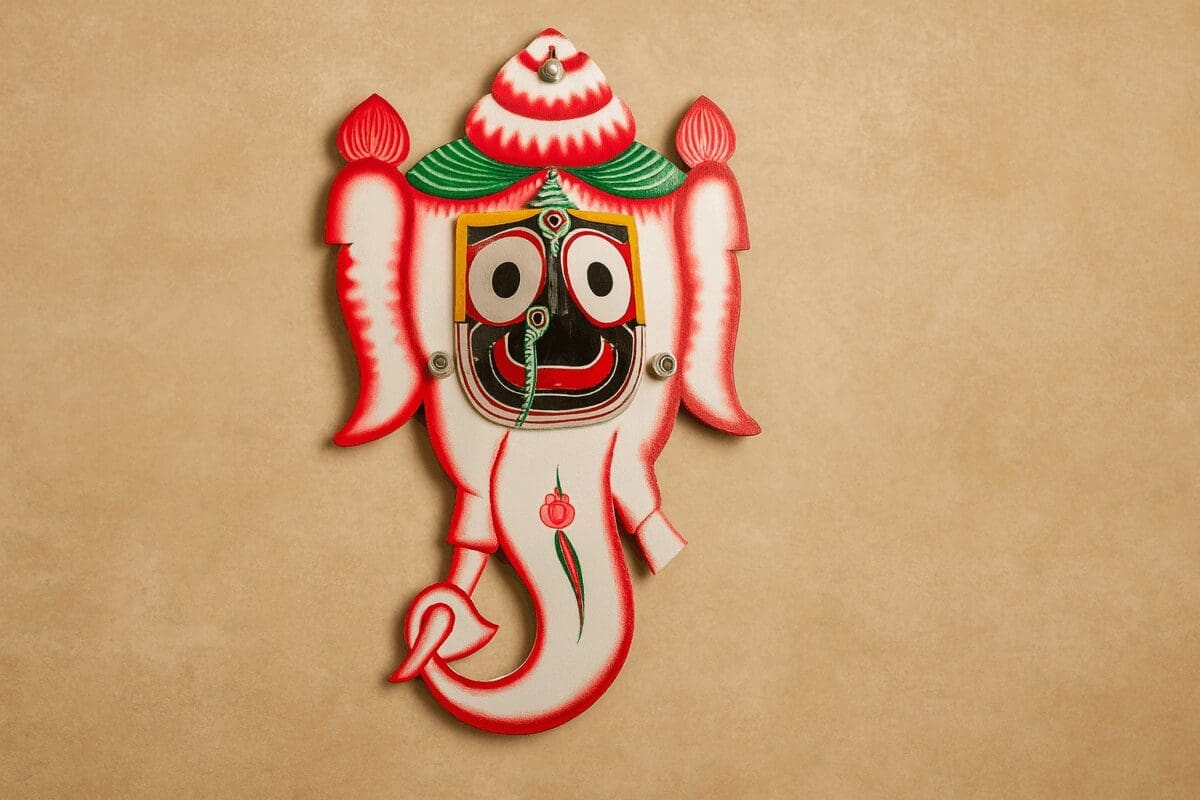
Beutiful shri jagannath Mahaprabhu Car/wall hanging
₹ 2,020.00
-
×
The beautifully painted conch
₹ 1,998.00
-
×
Pair Lion Carved Design Murti
₹ 5,989.00
-
×
Alat: The divines hand fan
₹ 2,199.00
-
×
The divine Tulasi Kanthi Mali
₹ 599.00
-
×
Shri Jagannath's Locket(Silver)
₹ 3,064.00
-
×
Tulasi Jagannath Locket
₹ 2,811.00
-
×
Justkalinga.com Traditional Jodo (Dhoti + Uttariya)
₹ 11,098.00
-
×
Shri Jagannath Magnet
₹ 378.00
-
×
Sambhu Jagannath Locket
₹ 1,698.00
-
×
Panchatrirth Water
₹ 500.00
-
×
Niladrinath Gift Hamper
₹ 17,798.00
-
×
Goddes Laxmi Annd God Vishu Koudi
₹ 1,599.84
-
×
Car sticker
₹ 260.00
-
×
Lotus Diya
₹ 999.00
-
×
The divine Tulasi Kanthi Mali
₹ 329.00
-
×
Dhanwani sankha(Blowing Sankha)
₹ 1,874.00
-
×
Stone Murti
₹ 2,445.00
-
×
Shri Jagannath's photo frame with ratna singhashan
₹ 2,689.00
-
×
Krishna Rupam
₹ 8,631.00
-
×
Ghantua: One who ring the bell
₹ 5,499.00
-
×
2024-2025 Jagannath Mahaprabhus divine Besa Calendar PDF File
₹ 15.00
-
×
Beutiful shri jagannath Mahaprabhu Car/wall hanging
₹ 300.00
-
×
Tulasi Kanthi Mala
₹ 439.00
-
×
Chaturbhuja Murti (17 cm)
₹ 1,249.00
-
×
Aguru : The natural Perfume for Mahaprabhu
₹ 799.00
-
×
Yogi rupam with Singhasan
₹ 5,749.00
-
×
Religious Mark (Tilak)
₹ 179.00
 Ancient Tribal Art
 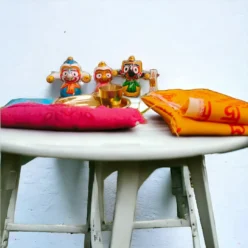 Niradrinath gift hamper
  Shri Sankha Flag From Shrikhetra Dham
  Bije kahali For Shri Jagannath Mahaprabhu
  Shri Gita gobindam Book
  Snan Darpan: for Shri Jagannath mahaprabhu's bathing rituals
 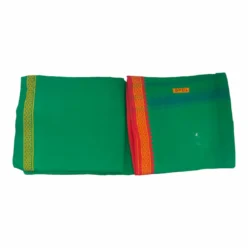 Justkalinga.com Traditional Jodo (Dhoti + Uttariya)
 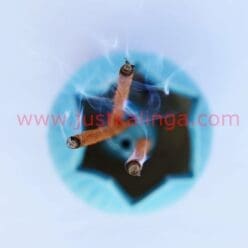 Lotus flower agrabati stand
  Traditional Patachita Shagun Envelope
  Dakhinabarti sankha (Small Size)
 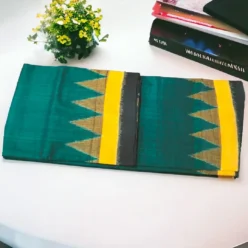 Justkalinga.com Traditional Jodo (Dhoti + Uttariya)
  The origin story of Shri Jagannath
 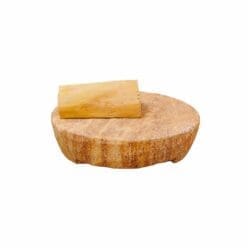 Chandan lagi seva(sandal wood)
  Shri Jagannath's Marable Murti
  Madanmohan
 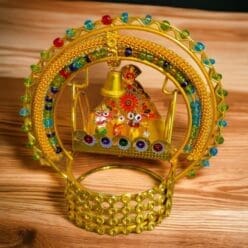 Jagannath mahaprabhus Jhulana Palinki
 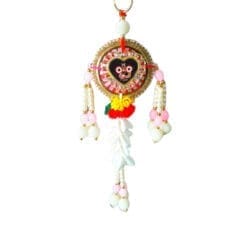 Beutiful shri jagannath Mahaprabhu Car/wall hanging
  The beautifully painted conch
  Pair Lion Carved Design Murti
  Alat: The divines hand fan
  The divine Tulasi Kanthi Mali
  Shri Jagannath's Locket(Silver)
  Tulasi Jagannath Locket
  Justkalinga.com Traditional Jodo (Dhoti + Uttariya)
  Shri Jagannath Magnet
  Sambhu Jagannath Locket
  Panchatrirth Water
 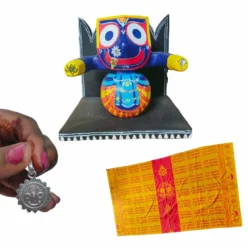 Niladrinath Gift Hamper
  Goddes Laxmi Annd God Vishu Koudi
 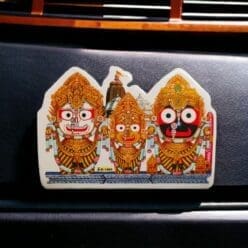 Car sticker
 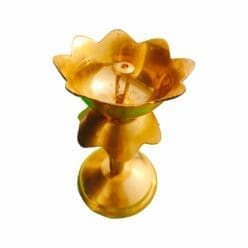 Lotus Diya
 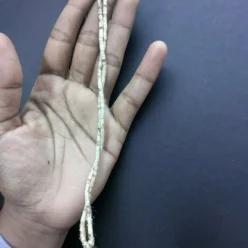 The divine Tulasi Kanthi Mali
 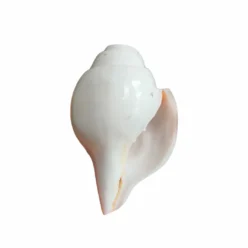 Dhanwani sankha(Blowing Sankha)
 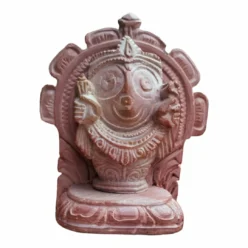 Stone Murti
 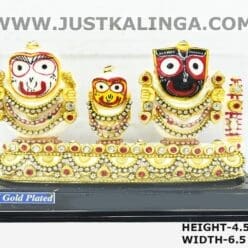 Shri Jagannath's photo frame with ratna singhashan
  Krishna Rupam
 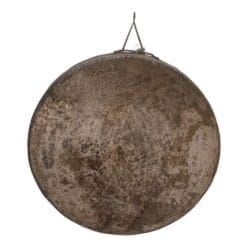 Ghantua: One who ring the bell
  2024-2025 Jagannath Mahaprabhus divine Besa Calendar PDF File
  Beutiful shri jagannath Mahaprabhu Car/wall hanging
 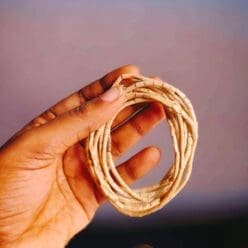 Tulasi Kanthi Mala
 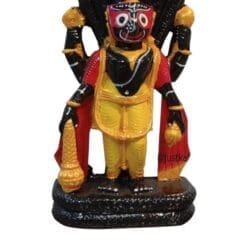 Chaturbhuja Murti (17 cm)
  Aguru : The natural Perfume for Mahaprabhu
  Yogi rupam with Singhasan
  Religious Mark (Tilak)
 You may be interested in…
-
Add
Car Sticker
Original price was: ₹ 399.96.₹ 249.92Current price is: ₹ 249.92.
-
Add
This product has multiple variants. The options may be chosen on the product page
Half-Shirt(Male)
From ₹ 1,499.00
-
Add
This product has multiple variants. The options may be chosen on the product page
Grace Shawl for Pooja/fastival moments and Temple Visit
From ₹ 675.00
-
Add
This product has multiple variants. The options may be chosen on the product page
Sun-Moon Flag From Shrikhetra Dham
From ₹ 239.00
-
Add
This product has multiple variants. The options may be chosen on the product page
Stand For Sankha
From ₹ 325.00