
-
×
 Justkalinga.com Traditional Jodo (Dhoti + Uttariya)
₹ 11,098.00
Justkalinga.com Traditional Jodo (Dhoti + Uttariya)
₹ 11,098.00 -
×
 Shri Jagannath Magnet
₹ 756.00
Shri Jagannath Magnet
₹ 756.00 -
×
The beautifully painted conch
₹ 1,998.00
-
×
Shri Ganesh Pink Stone Murti
₹ 6,878.00
-
×
The divine Tulasi Kanthi Mali
₹ 329.00
-
×
The divine Tulasi Kanthi Mali
₹ 599.00
-
×
Nava Graha Marbal Murti
₹ 82,125.00
-
×
Name Plate
₹ 1,318.00
-
×
Raja Rupam (Round Body)
₹ 3,487.00
-
×
Wooden Patitapawan temple
₹ 8,349.00
-
×
Nila Chakra of shri Jagannath Temple For Your Home
₹ 1,249.00
-
×
Panchatrirth Water
₹ 1,500.00
-
×
Goddes Laxmi Annd God Vishu Koudi
₹ 1,599.84
-
×
Laxmi Rupam Of Shri Jagannath Mahaprabhu
₹ 2,499.00
-
×
Niradrinath gift hamper
₹ 11,154.00
-
×
Angaranga kitt & gum
₹ 449.00
-
×
The origin story of Shri Jagannath
₹ 998.00
-
×
Jagannath mahaprabhus Jhulana Palinki
₹ 996.00
-
×
Ancient Tribal Art
₹ 6,750.00
-
×
Dhyana Yantra
₹ 105,625.00
-
×
Shri Jagannath's Locket(Silver)
₹ 6,128.00
-
×
Beautiful Tulasi Wood Bracelet
₹ 5,196.00
-
×
Kaleswar Rupam Murti with silver locket
₹ 11,000.00
-
×
Bije kahali For Shri Jagannath Mahaprabhu
₹ 4,497.00
-
×
The brass "Elephant Jodi"
₹ 1,998.00
-
×
Chandan lagi seva(sandal wood)
₹ 11,780.00
-
×
Shri Siva Marble Murti
₹ 3,975.00
-
×
Dakhinabarti sankha (Small Size)
₹ 2,498.00
-
×
2024-2025 Jagannath Mahaprabhus divine Besa Calendar PDF File
₹ 15.00
-
×
Nila Madhav Combo
₹ 13,559.00
-
×
Chua Oil
₹ 2,495.00
-
×
Shri Jagannath dham's Mrudanga
₹ 4,999.00
-
×
Lord Narasimha Locket: A Divine Symbol of Strength and Protection
₹ 3,457.00
-
×
Beutiful shri jagannath Mahaprabhu Car/wall hanging
₹ 5,050.00
-
×
Dakhinabarti sankha
₹ 1,399.00
-
×
Shri Chatrudha Murti With Sankha marble
₹ 2,489.00
-
×
Mohan Rupam
₹ 3,499.00
-
×
Lotus flower agrabati stand
₹ 998.00
-
×
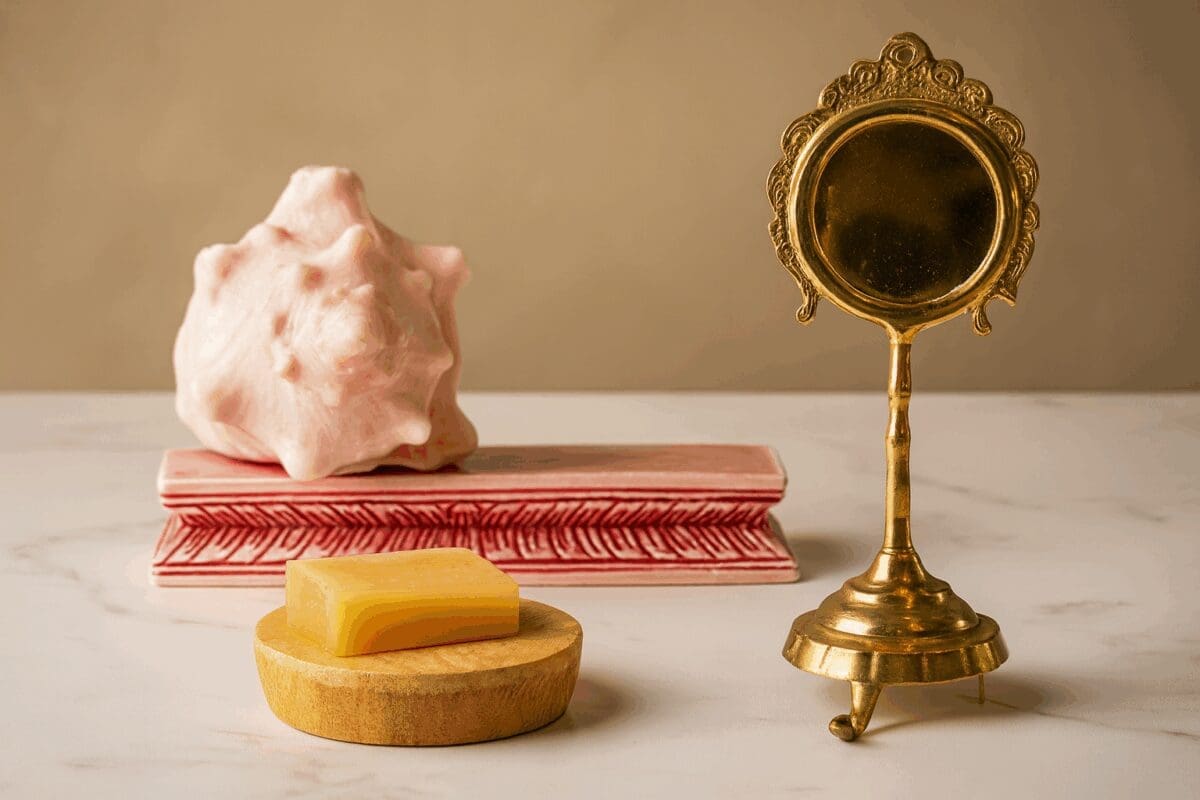
Snan Darpan: for Shri Jagannath mahaprabhu's bathing rituals
₹ 23,745.00
-
×
Shri Gajanana Brahma Mutri
₹ 4,200.00
-
×
Lord Jagannath Car Sticker
₹ 349.00
-
×
Sambhu Jagannath Locket
₹ 849.00
-
×
Niladrinath Gift Hamper
₹ 53,394.00
-
×
Ghantua: One who ring the bell
₹ 5,499.00
-
×
Silver locket
₹ 3,389.00
-
×
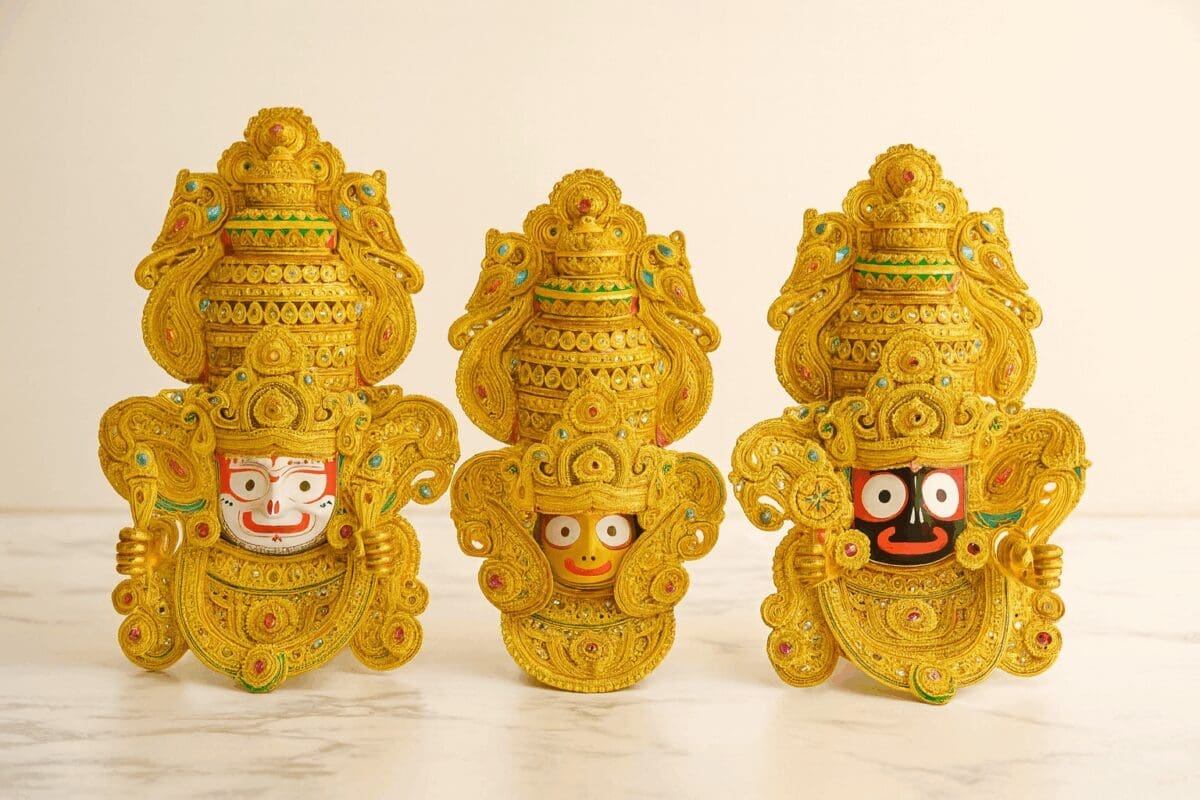
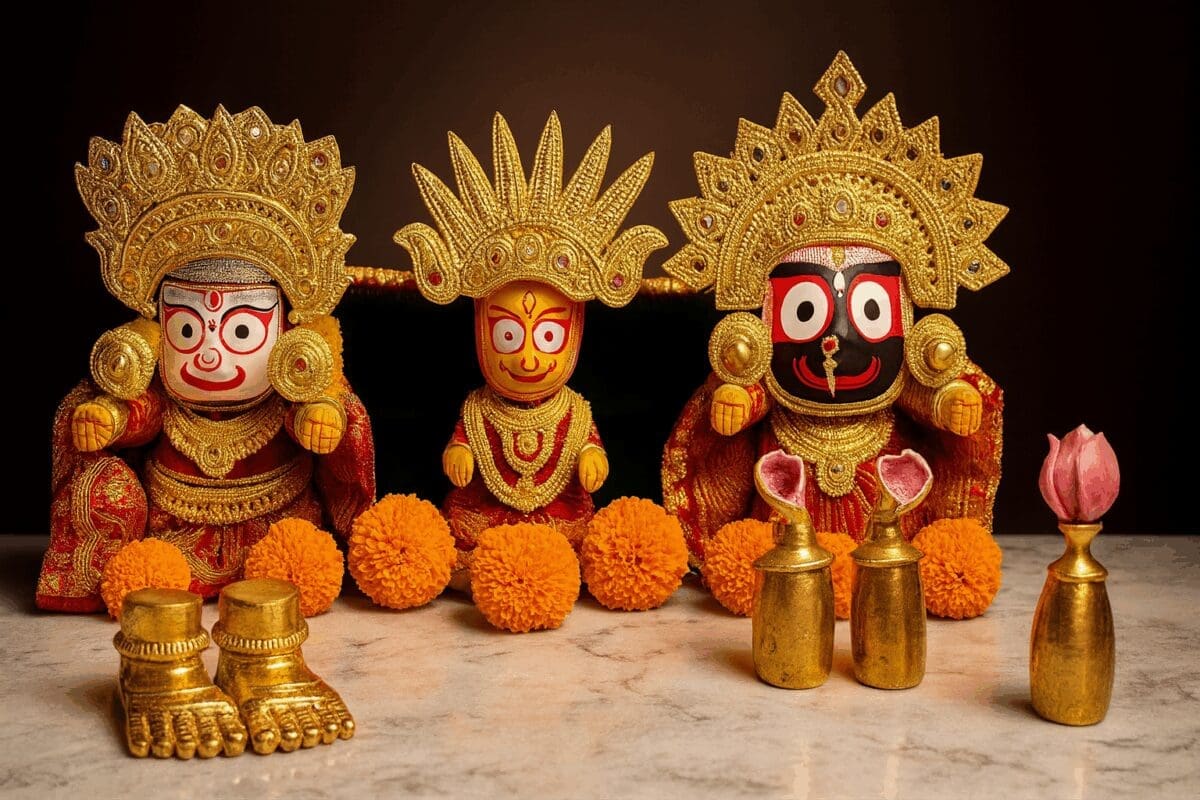
Golden Radiance jagannath Trio
₹ 10,249.00
-
×
wall hanging Jhumar Big Size
₹ 1,998.00
-
×
Dhanwani sankha(Blowing Sankha)
₹ 1,874.00
-
×
Car Sticker
₹ 249.92
-
×
Mahaprabhu Marbles Art Idol
₹ 1,249.00
-
×
Ancient Tribal Art
₹ 2,125.00
-
×
Netrostav Mantras of Shri Chaturtha (PDF Files)
₹ 36.00
-
×
Seva Samarpan combo
₹ 24,439.00
-
×
Shri Jagannath Locket(Black)
₹ 875.00
-
×
Shri Jagannath's Wooden Temple
₹ 1,499.00
-
×
Alat: The divines hand fan
₹ 2,199.00
-
×
Nila Chakra Gopuram (Brass Made )
₹ 4,345.00
-
×
Ganapati Shankha
₹ 3,624.00
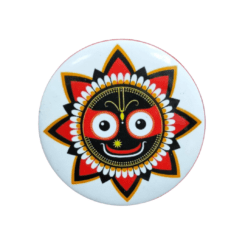 Shri Jagannath Magnet
 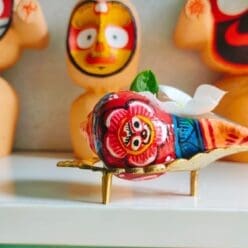 The beautifully painted conch
 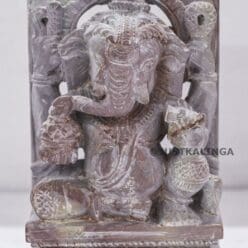 Shri Ganesh Pink Stone Murti
 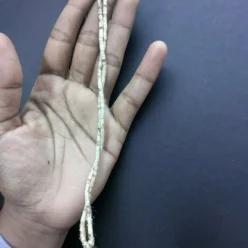 The divine Tulasi Kanthi Mali
  The divine Tulasi Kanthi Mali
  Nava Graha Marbal Murti
 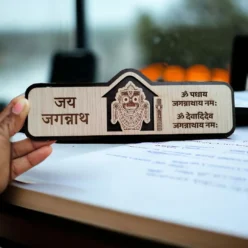 Name Plate
 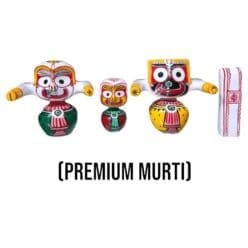 Raja Rupam (Round Body)
 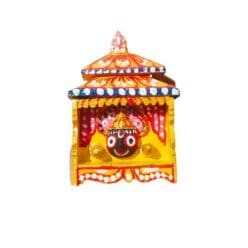 Wooden Patitapawan temple
 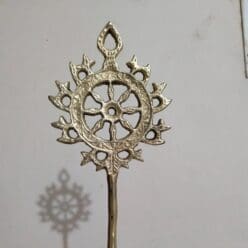 Nila Chakra of shri Jagannath Temple For Your Home
  Panchatrirth Water
  Goddes Laxmi Annd God Vishu Koudi
  Laxmi Rupam Of Shri Jagannath Mahaprabhu
 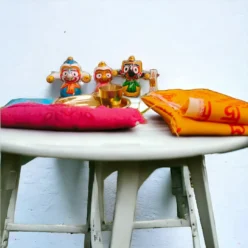 Niradrinath gift hamper
 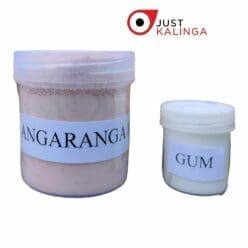 Angaranga kitt & gum
  The origin story of Shri Jagannath
 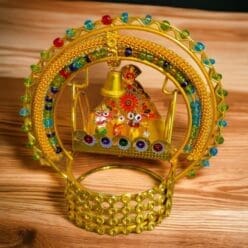 Jagannath mahaprabhus Jhulana Palinki
 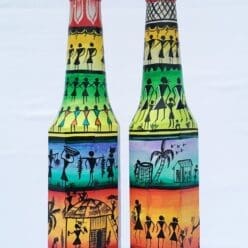 Ancient Tribal Art
 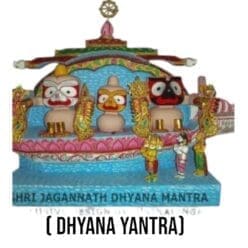 Dhyana Yantra
  Shri Jagannath's Locket(Silver)
 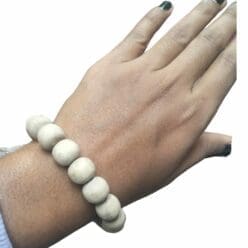 Beautiful Tulasi Wood Bracelet
 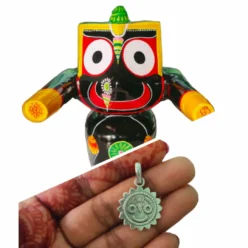 Kaleswar Rupam Murti with silver locket
  Bije kahali For Shri Jagannath Mahaprabhu
 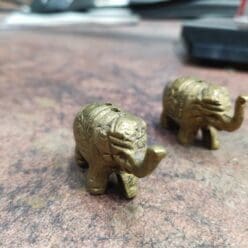 The brass "Elephant Jodi"
 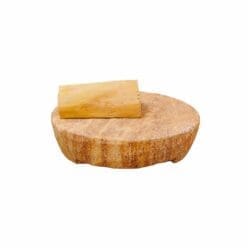 Chandan lagi seva(sandal wood)
 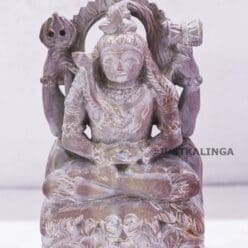 Shri Siva Marble Murti
  Dakhinabarti sankha (Small Size)
  2024-2025 Jagannath Mahaprabhus divine Besa Calendar PDF File
  Nila Madhav Combo
 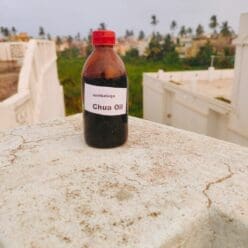 Chua Oil
 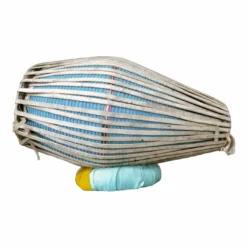 Shri Jagannath dham's Mrudanga
 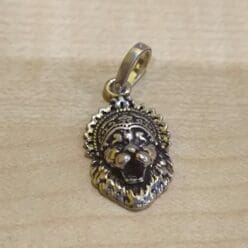 Lord Narasimha Locket: A Divine Symbol of Strength and Protection
 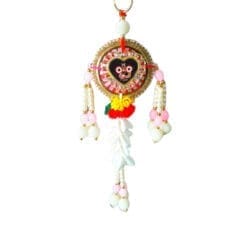 Beutiful shri jagannath Mahaprabhu Car/wall hanging
 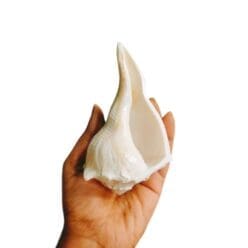 Dakhinabarti sankha
 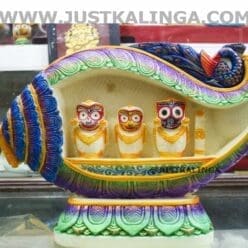 Shri Chatrudha Murti With Sankha marble
  Mohan Rupam
 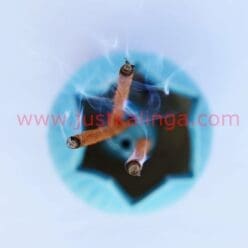 Lotus flower agrabati stand
  Snan Darpan: for Shri Jagannath mahaprabhu's bathing rituals
  Shri Gajanana Brahma Mutri
 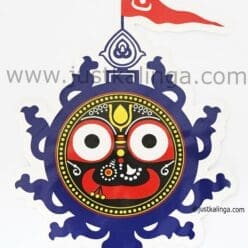 Lord Jagannath Car Sticker
  Sambhu Jagannath Locket
 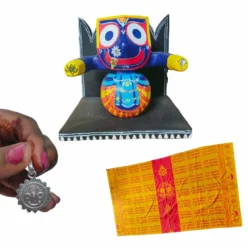 Niladrinath Gift Hamper
 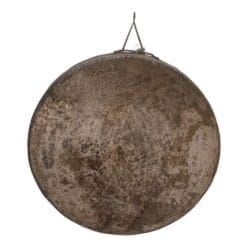 Ghantua: One who ring the bell
 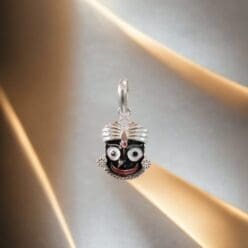 Silver locket
 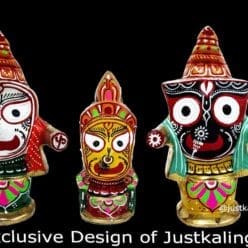 Golden Radiance jagannath Trio
  wall hanging Jhumar Big Size
 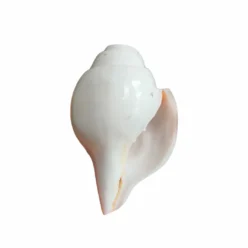 Dhanwani sankha(Blowing Sankha)
 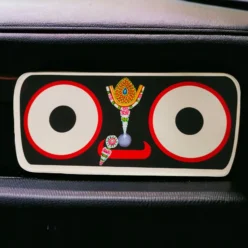 Car Sticker
 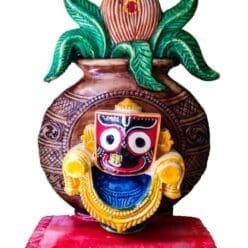 Mahaprabhu Marbles Art Idol
 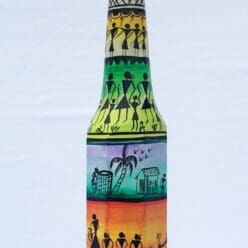 Ancient Tribal Art
  Netrostav Mantras of Shri Chaturtha (PDF Files)
  Seva Samarpan combo
 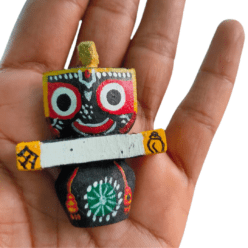 Shri Jagannath Locket(Black)
  Shri Jagannath's Wooden Temple
  Alat: The divines hand fan
  Nila Chakra Gopuram (Brass Made )
  Ganapati Shankha
 You may be interested in…
-
Add
Badge
Original price was: ₹ 299.00.₹ 219.00Current price is: ₹ 219.00.
-
Add
This product has multiple variants. The options may be chosen on the product page
Grace Shawl for Pooja/fastival moments and Temple Visit
From ₹ 675.00
-
Add
This product has multiple variants. The options may be chosen on the product page
Sun-Moon Flag From Shrikhetra Dham
From ₹ 239.00
-
Add
This product has multiple variants. The options may be chosen on the product page
Stand For Sankha
From ₹ 325.00
-
Add
This product has multiple variants. The options may be chosen on the product page
The divine Japa Mali
From ₹ 1,239.00