
-
×
 Panchatrirth Water
₹ 3,000.00
Panchatrirth Water
₹ 3,000.00 -
×
 Handmade Bamboo Basket
₹ 3,015.00
Handmade Bamboo Basket
₹ 3,015.00 -
×
The divine Tulasi Kanthi Mali
₹ 599.00
-
×
Niladrinath Gift Hamper
₹ 8,899.00
-
×
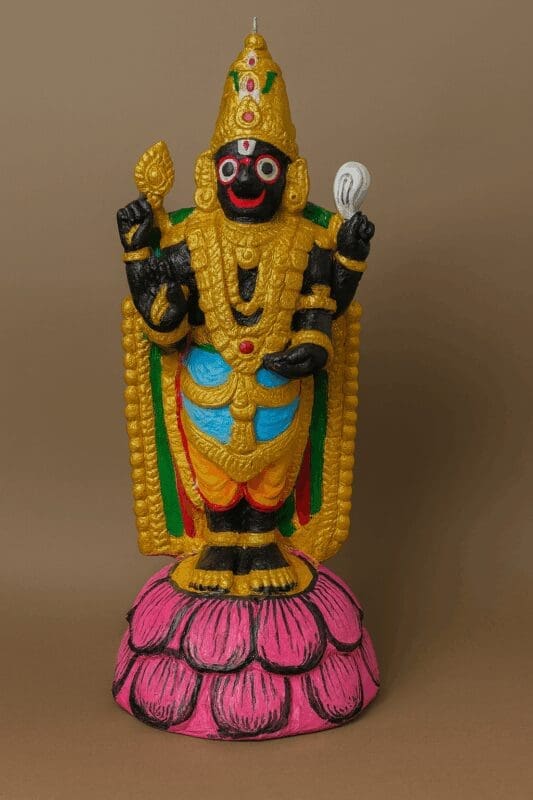
Raja Rupam murti with Ratna Shinghasan
₹ 1,989.00
-
×
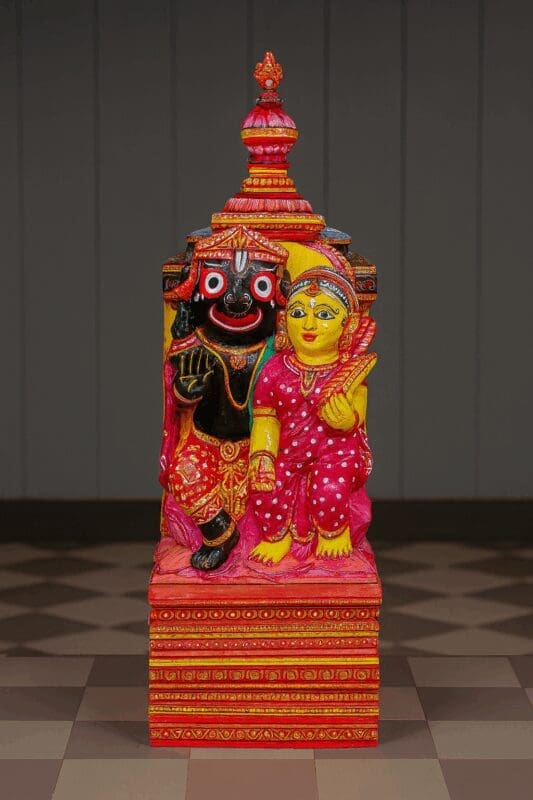
Laxmi Rupam
₹ 7,497.00
-
×
Premium Bije kahali
₹ 7,196.00
-
×
The divine Tulasi Kanthi Mali
₹ 799.00
-
×
Justkalinga.com Traditional Jodo (Dhoti + Uttariya)
₹ 11,098.00
-
×
Dhanwani sankha(Blowing Sankha)
₹ 1,874.00
-
×
Jagannath mahaprabhus Jhulana Palinki
₹ 498.00
-
×
Nila Chakra Gopuram (Brass Made )
₹ 8,690.00
-
×
Sankha
₹ 9,125.00
-
×
Dakhinabarti sankha (Small Size)
₹ 7,494.00
-
×
Beautiful Tulasi Wood Bracelet
₹ 2,598.00
-
×
The origin story of Shri Jagannath
₹ 499.00
-
×
Silver locket
₹ 6,778.00
-
×
Beutiful shri jagannath Mahaprabhu Car/wall hanging
₹ 8,080.00
-
×
Beutiful shri jagannath Mahaprabhu Car/wall hanging
₹ 500.00
-
×
Krishna Kanth Mayoor Locket
₹ 398.00
-
×
Aguru, Chua Oil And Mahodadhi Water
₹ 1,349.00
-
×
Snan Darpan: for Shri Jagannath mahaprabhu's bathing rituals
₹ 14,247.00
-
×
The divine Tulasi Kanthi Mali with Locket
₹ 639.00
-
×
Chandan lagi seva(sandal wood)
₹ 9,424.00
-
×
Tulasi Jagannath Locket
₹ 2,100.00
-
×
Goddes Laxmi Annd God Vishu Koudi
₹ 799.92
-
×
Sambhu Jagannath Locket
₹ 1,698.00
-
×
Divine Flute for shri Jagannath mahaprabhu
₹ 849.00
-
×
Shri Jagannath's Locket(Silver)
₹ 3,064.00
-
×
Shri Jagannath Magnet
₹ 189.00
-
×
Alat: The divines hand fan
₹ 2,199.00
-
×
Alat: The divines hand fan
₹ 2,149.00
-
×
Aguru : The natural Perfume for Mahaprabhu
₹ 1,598.00
-
×
Devi Saraswati Marble Murti
₹ 3,739.00
-
×
Netrostav Mantras of Shri Chaturtha (PDF Files)
₹ 36.00
-
×
Wooden Ratha Flag
₹ 459.00
-
×
The divine Tulasi Kanthi Mali
₹ 329.00
-
×
Gaumukhi sankha
₹ 6,874.00
-
×
Name Plate
₹ 659.00
-
×
Ancient Tribal Art
₹ 2,125.00
-
×
Bije kahali For Shri Jagannath Mahaprabhu
₹ 7,495.00
-
×
Niradrinath gift hamper
₹ 3,718.00
-
×
Mohan Rupam
₹ 1,799.00
-
×
Panchamukhi Sankha
₹ 5,312.00
-
×
Gruha Tilak The combination of Shrifal
₹ 1,998.00
-
×
Wooden Patitapawan temple
₹ 2,277.00
-
×
Car Sticker
₹ 499.84
-
×
Yogi rupam with Singhasan
₹ 5,749.00
-
×
Tulasi Jagannath Locket
₹ 2,811.00
-
×
Shri Gita gobindam Book
₹ 2,997.00
 Handmade Bamboo Basket
  The divine Tulasi Kanthi Mali
  Niladrinath Gift Hamper
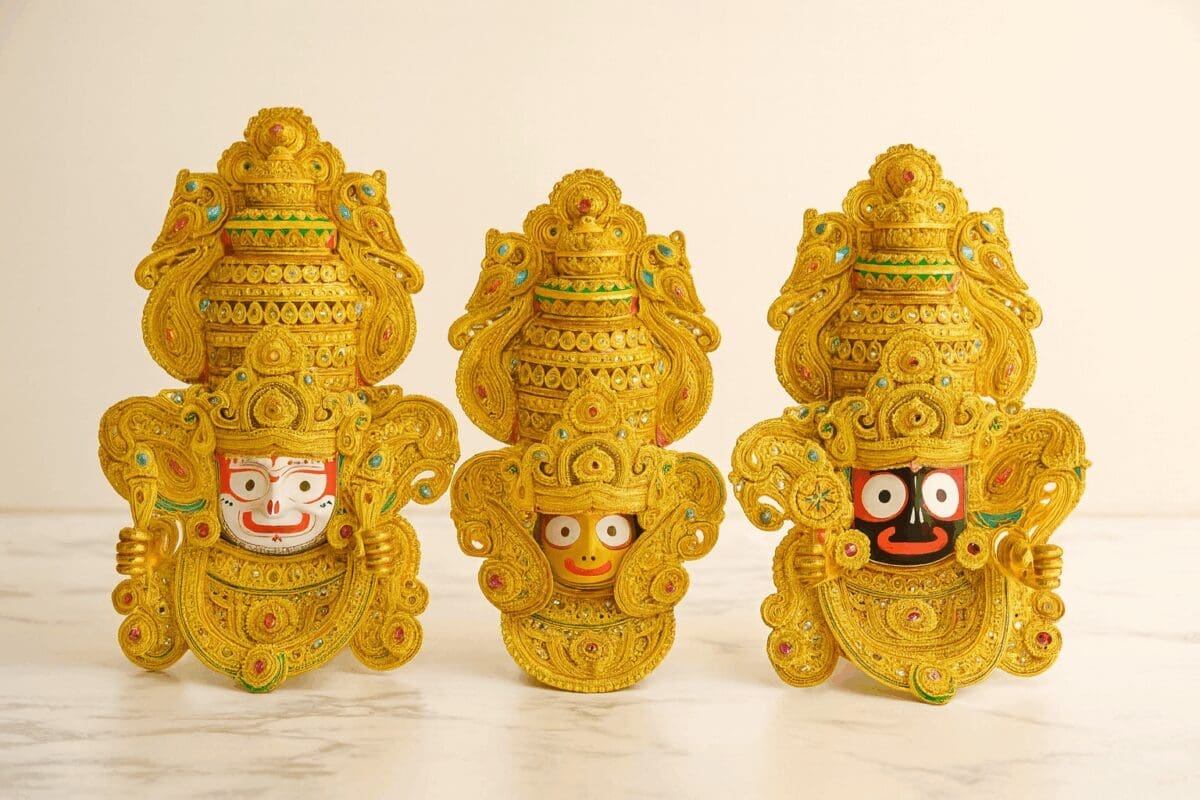
 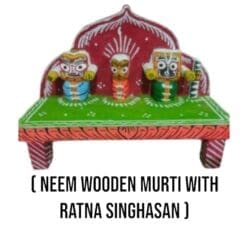 Raja Rupam murti with Ratna Shinghasan
  Laxmi Rupam
 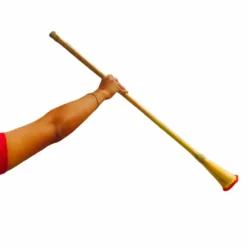 Premium Bije kahali
 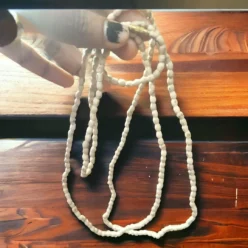 The divine Tulasi Kanthi Mali
  Justkalinga.com Traditional Jodo (Dhoti + Uttariya)
 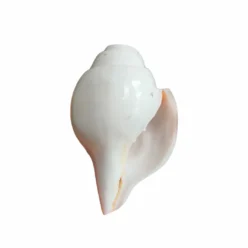 Dhanwani sankha(Blowing Sankha)
 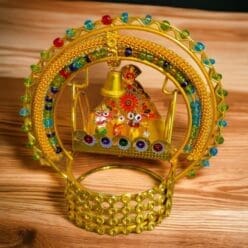 Jagannath mahaprabhus Jhulana Palinki
  Nila Chakra Gopuram (Brass Made )
 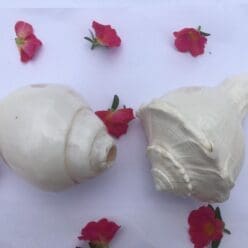 Sankha
  Dakhinabarti sankha (Small Size)
 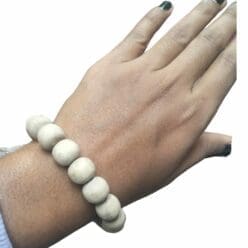 Beautiful Tulasi Wood Bracelet
  The origin story of Shri Jagannath
 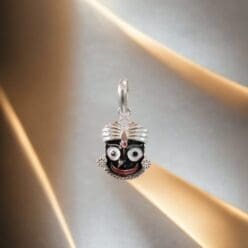 Silver locket
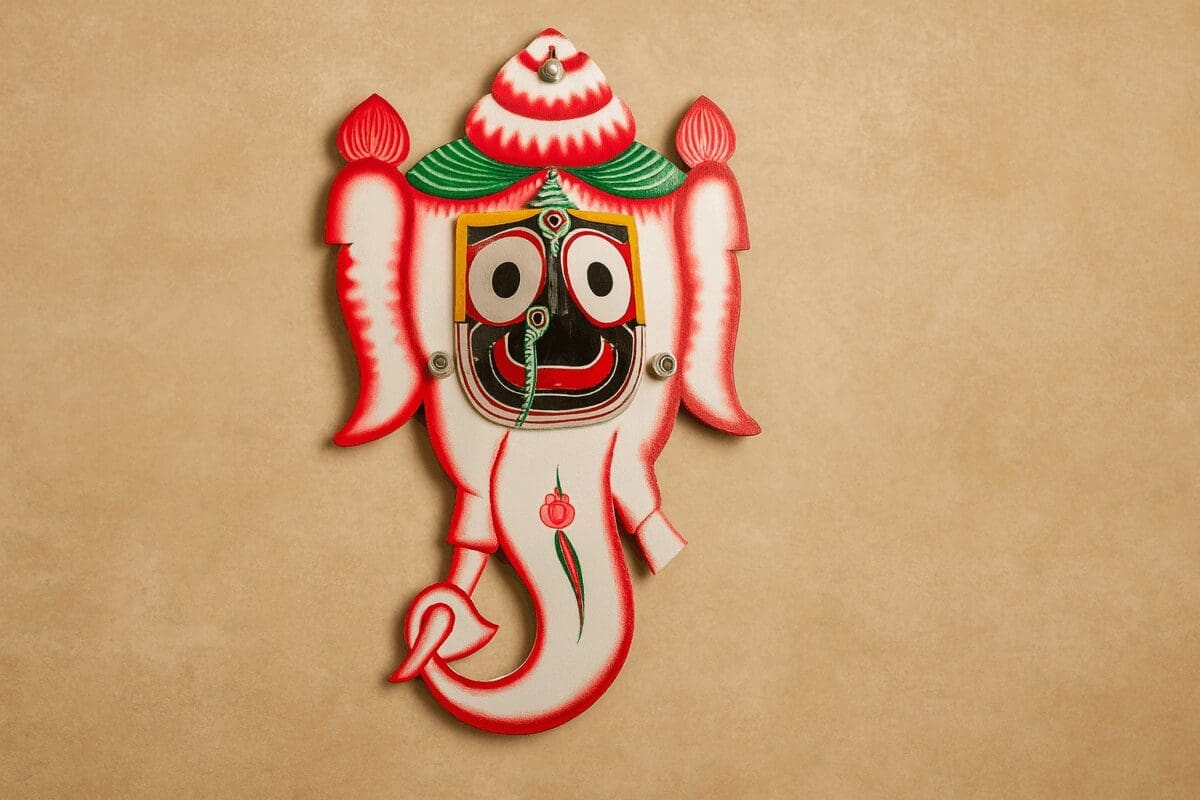
 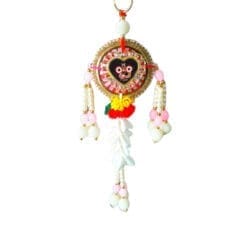 Beutiful shri jagannath Mahaprabhu Car/wall hanging
  Beutiful shri jagannath Mahaprabhu Car/wall hanging
  Krishna Kanth Mayoor Locket
 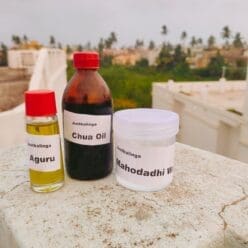 Aguru, Chua Oil And Mahodadhi Water
  Snan Darpan: for Shri Jagannath mahaprabhu's bathing rituals
  The divine Tulasi Kanthi Mali with Locket
 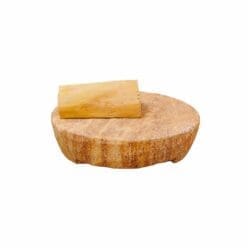 Chandan lagi seva(sandal wood)
  Tulasi Jagannath Locket
  Goddes Laxmi Annd God Vishu Koudi
  Sambhu Jagannath Locket
 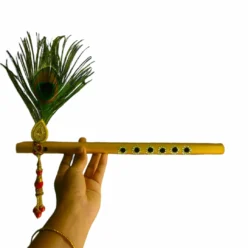 Divine Flute for shri Jagannath mahaprabhu
  Shri Jagannath's Locket(Silver)
 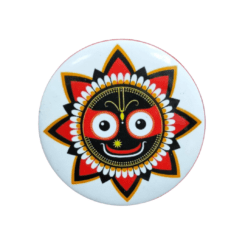 Shri Jagannath Magnet
  Alat: The divines hand fan
 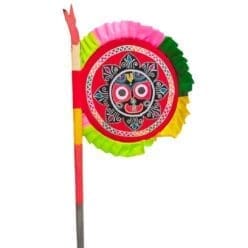 Alat: The divines hand fan
 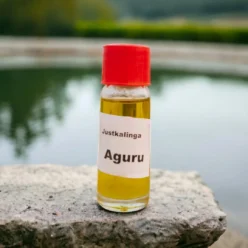 Aguru : The natural Perfume for Mahaprabhu
  Devi Saraswati Marble Murti
  Netrostav Mantras of Shri Chaturtha (PDF Files)
  Wooden Ratha Flag
 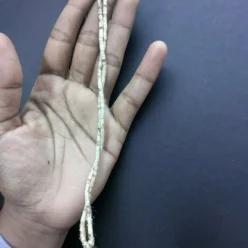 The divine Tulasi Kanthi Mali
 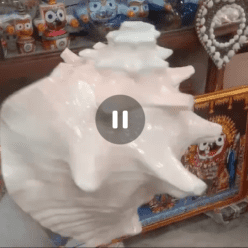 Gaumukhi sankha
 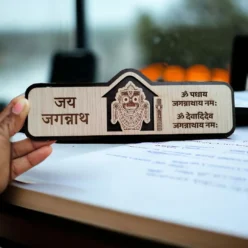 Name Plate
 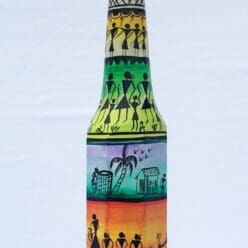 Ancient Tribal Art
  Bije kahali For Shri Jagannath Mahaprabhu
 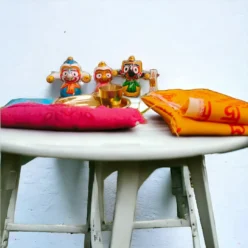 Niradrinath gift hamper
  Mohan Rupam
 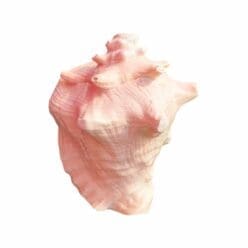 Panchamukhi Sankha
 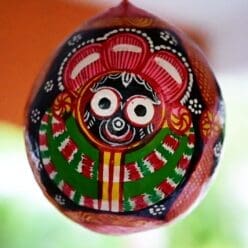 Gruha Tilak The combination of Shrifal
 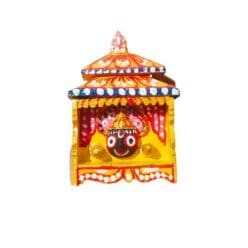 Wooden Patitapawan temple
 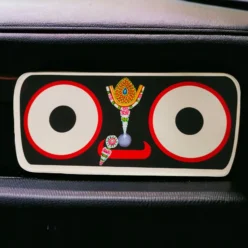 Car Sticker
  Yogi rupam with Singhasan
  Tulasi Jagannath Locket
  Shri Gita gobindam Book
 You may be interested in…
-
Add
This product has multiple variants. The options may be chosen on the product page
Shri Jagannath grace Blazer
From ₹ 6,159.00
-
Add
Badge
Original price was: ₹ 299.00.₹ 219.00Current price is: ₹ 219.00.
-
Add
This product has multiple variants. The options may be chosen on the product page
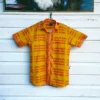
Half-Shirt(Male)
From ₹ 1,499.00
-
Add
This product has multiple variants. The options may be chosen on the product page
Grace Shawl for Pooja/fastival moments and Temple Visit
From ₹ 675.00
-
Add
This product has multiple variants. The options may be chosen on the product page
Sun-Moon Flag From Shrikhetra Dham
From ₹ 239.00