Articles
|| Bali Trutiya ||
Aug
A “Brata” (a religious vow or fasting) is observed on the Tritiya Tithi (the third day) of the bright fortnight (Shuklapaksha) in the month of Bhadraba. This vow is celebrated under different names in various regions of India. In states like Rajasthan, Uttar Pradesh, and Madhya Pradesh, it is known by names such as ‘Hariyali Teej,’ ‘Kajari Teej,’ and ‘Haritalika Teej,’ while in South India, it is celebrated as ‘Gowri Habba’ or ‘Swarna Gowri Brata.’ In Odisha, this vow is called ‘Bali Trutiya’ Brata.
Shibayai sarbamangalyai shivaya satatam namah.
Shivesarbapradatri twam shivarupe namonamah ||
(Translation: Salutations to Goddess Shivaa (Parvati), the source of all auspiciousness. Constant salutations to the ever-auspicious one. O auspicious one, you are the giver of all things; salutations again and again to you, the embodiment of auspiciousness.)
The Brata observed on the third day of the bright fortnight of Bhadraba, under the Hasta Nakshatra (constellation), is called Bali Trutiya Brata. Married women perform this vow, praying for the health, longevity, and well-being of their husbands. In some places, unmarried girls also observe this vow to get a handsome, virtuous, and prosperous husband. Another name for Bali Trutiya Brata is Gouri Brata. It is believed that Goddess Gouri, in her youth, worshipped Lord Shiva to get him as her husband, and for this reason, young unmarried girls also observe this vow. The deities worshipped in this Brata are Shiva-Parvati, with Shiva being the principal deity. The name ‘Bali Trutiya’ comes from the story that Gouri began her penance on this day (Bhadraba Shukla Tritiya) to win Lord Shiva. After bathing in a river, she fashioned an idol of Shiva from the river sand (Bali) or a ‘Balunka,’ worshipped it, and fulfilled her wish.
With great devotion, the Bali Trutiya fast must be observed from sunrise on the third day until the morning of the next day, the fourth day (Chaturthi). It is so strict that one should not even touch water or swallow saliva. For this reason, the devotees (Bratis) eat something before dawn on the preceding day (Dwitiya), which is known as ‘Pahantia Khia.’ The entire day is spent in a complete fast. It is believed that any deviation from the vow’s rules will lead to Mahadev (Lord Shiva) granting adverse results instead of blessings, because although he is ‘Ashutosh’ (easily pleased), he can also be ‘Rudra’ (the fierce one).
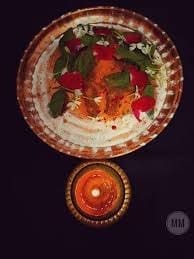
On the day of Bali Trutiya, the devotees bathe in a river or pond in the morning and observe a ‘Nirjala Upavasa’ (a fast without water) throughout the day. In the evening, they gather to bathe together again. During this time, each of them collects seven handfuls of sand by dipping into the water. With that sand, they create a Shivalinga or ‘Balunka’ on the bank of the water body and perform puja (worship). While returning, they bring some more river sand home. With this sand, they again make a Shivalinga at home and offer various items like fruits, roots, kheer (rice pudding), chudaghasa (a preparation of flattened rice), and bananas as ‘Bhoga’ (offerings). The devotees themselves are forbidden from consuming this Bhoga. It is believed that consuming the offerings from this vow leads to great sorrow and suffering, or that a woman may be fated to widowhood. During the puja, the scripture “Bali Trutiya Brata Mahatmya Purana” is read. After the puja, the ‘Balunka’ is immersed in water. The vow is formally concluded on the day of Chaturthi. The help of priests can be sought if required.
For a woman, this is considered one of the most superior vows. Since this vow is for the sake of her husband, it is held in the highest regard. It is a traditional belief that for a woman, there is no path other than the one with her husband. Furthermore, it is believed that observing this vow helps one attain ‘Shivaloka’ (the abode of Shiva).
Whatever the greatness of this vow may be according to the Puranas or scriptures, it is also scientifically sound. Periodic fasting, like on Ekadashi, is necessary for a healthy body. Similarly, bathing after applying turmeric and other natural ingredients is also beneficial for health. For these reasons, ‘Osha’ (rituals) and ‘Bratas’ (vows) hold significant importance in our lives. 🙏❤️
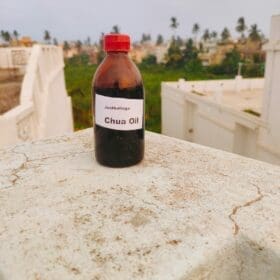
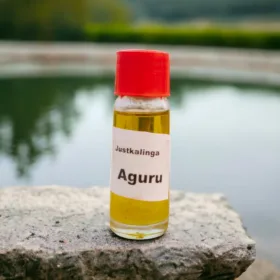
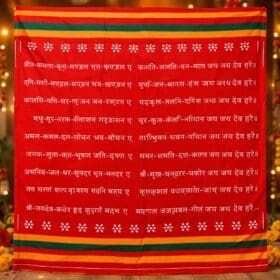
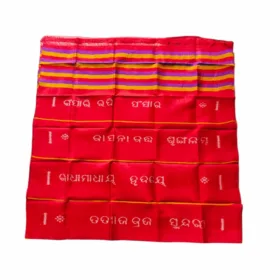
Authentic puja essentials for your sacred Bali Trutiya Brata vow.