












Articles
The ‘Kekesi Badha Prastab’ at the Srimandir

Aug
On the ‘Bhadraba Shukla Saptami’ (the seventh day of the bright fortnight in the month of Bhadraba), the ritual of ‘Kekesi Badha Prastab’ is performed in the presence of Mahaprabhu (Lord Jagannath) after the ‘Sandhya Dhupa’ (evening offering). This ritual is conducted by the people of Kalikadevi Sahi.
Kekesi Badha Prastab at Srimandir
Today, on the day of Shukla Saptami, after the Sandhya Dhupa, the representative deity Madanmohana will be brought to the Ratna Singhasan (Bejeweled Throne). After receiving the ‘Agyanmala’ (garland of consent) from Lord Jagannath’s idol, He will proceed to a cot placed in the Nata Mandap (Dance Hall). In the Lord’s presence, the people of Kalikadevi Sahi will then perform the ‘Kekesi Badha Prastab’.
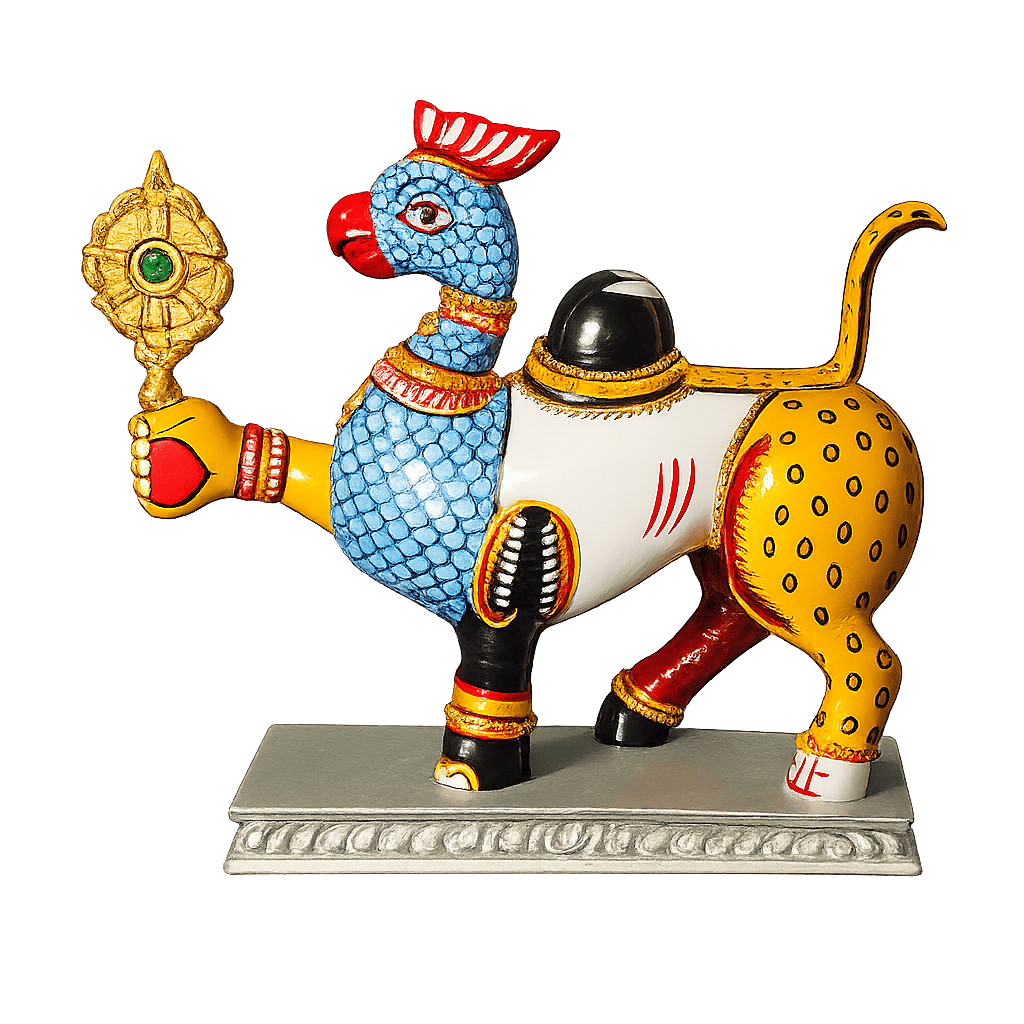
The story dates back to the Dwapara Yuga, when King Kansa sent the demon (rakshasa) Kekesi to kill Sri Krishna. The demon attempted to attack Lord Sri Krishna by assuming various forms, but Lord Sri Krishna recognized his true identity and slayed him. In commemoration of this event, a person from Kalikadevi Sahi, specially dressed as Kekesi, appears to enact the ‘Kekesi Badha Lila’ (the divine play of slaying Kekesi). Following his appearance in the Nata Mandap, the Lord’s ‘Sitala Bhoga’ (cool food offering) and ‘Bandapana’ (worship ceremony) are completed. Afterwards, the deity (Madanmohana) returns to the Dakhini Ghara (Southern Chamber).
The observance brings together several elements already described in this tradition: Bhadraba Shukla Saptami, the evening Sandhya Dhupa, Madanmohana, the Agyanmala from Lord Jagannath, and the participation of Kalikadevi Sahi. The enactment recalls Krishna’s victory over Kekesi, after which Sitala Bhoga and Bandapana are completed before Madanmohana returns to the Dakhini Ghara. In this way, the ritual combines temple procedure, sacred memory, dramatic representation, and community participation within the sacred Srimandir ritual tradition today.
Explore more Jagannath culture and Srimandir traditions at JustKalinga.


