











Uncategorized
Daru Brahma: Unveiling the Sacred Essence of Lord Jagannath’s Wooden Form

Dec
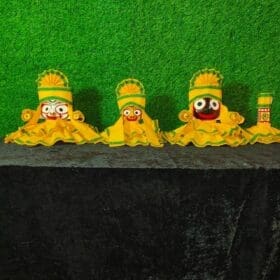
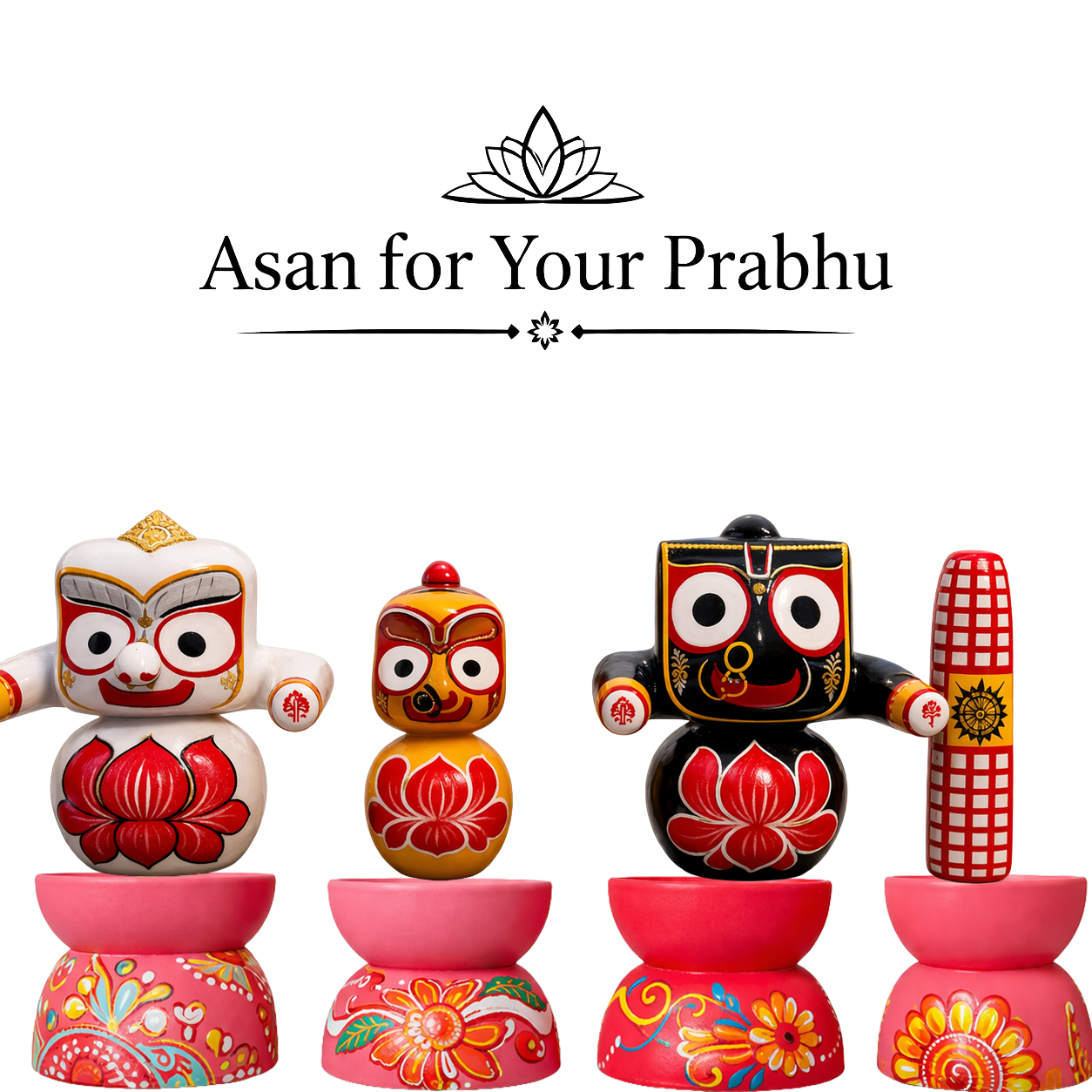
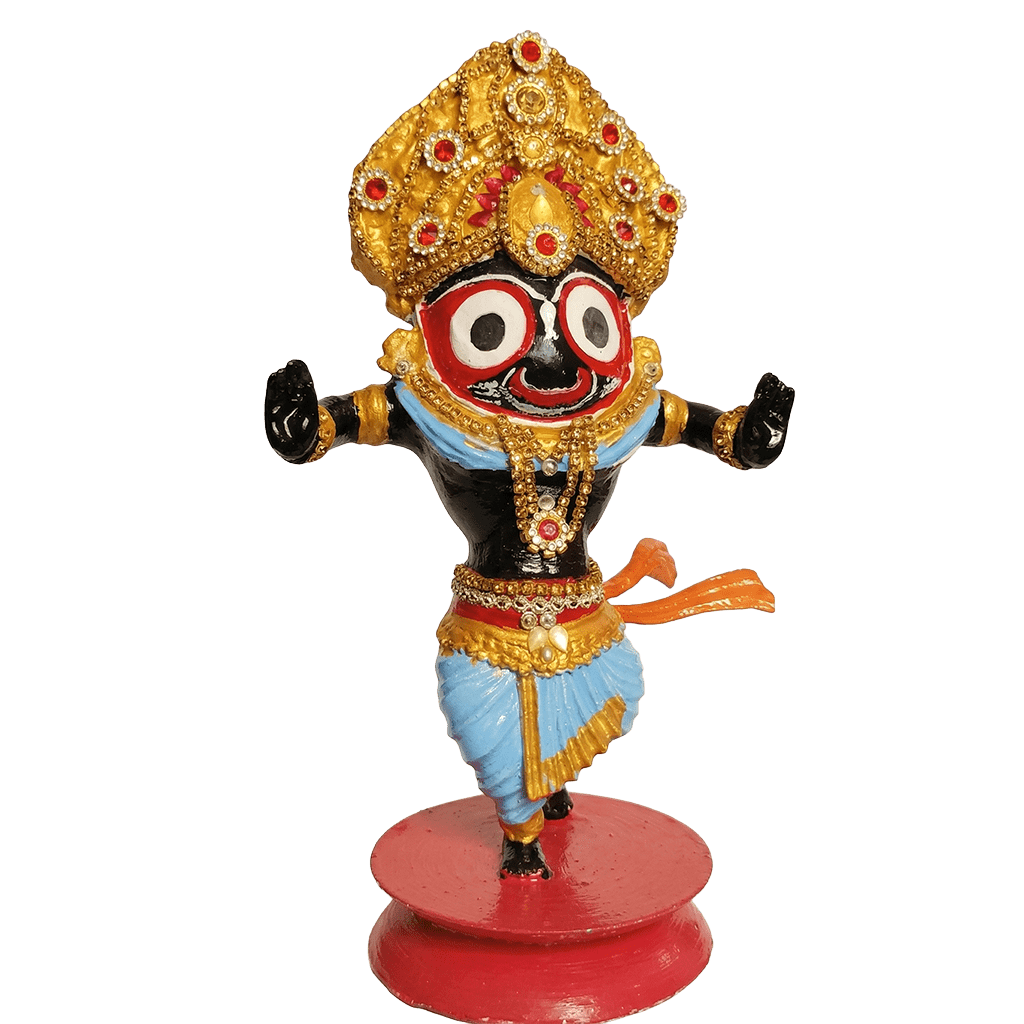
Lord Jagannath, along with his siblings, Balabhadra and Subhadra, and Sudarshan, are revered as the Chaturdha Murti, the four divine forms, residing on the Ratna Bedi (the jeweled platform) of the Shri Jagannath Temple. While they are made of daru (neem wood), Shri Jagannath is often referred to as Daru Brahma. What is the significance of this term, and why is the Lord worshipped in this unique wooden form? Let’s delve into the spiritual and scriptural explanations.
The Meaning of Daru Brahma
Daru Brahma essentially translates to “the Supreme Soul embodied in wood.” It indicates that Lord Jagannath, though present in a wooden form, is the ultimate reality, the Supreme Being. According to the Skanda Purana, Brahma explains to the gods that Lord Janardana (Vishnu), had resided in the Purushottama Kshetra with a sapphire body in the past. Currently, in the Shweta Varaha Kalpa, Lord Janardana has incarnated as Daru Murti, residing in the Bhuloka.
The Utkala Khanda of the Skanda Purana further elaborates on the etymology of Daru:
“Khandanat sarvadukhanamakhandananda danatah,
Swabhavad daruresho hi parambrahmabhidhiyate.”
This translates to, “Through the destruction of all sorrows and the giving of unending bliss, by its very nature, this daru is called Parabrahma.”
The word Daru is derived from two roots, ‘da’ (to give) and ‘do’ (to break), with ‘ru’ (nature). Thus, Daru symbolizes generosity (giving) and the capacity to remove sorrow (breaking). It highlights the Supreme Being’s qualities of granting unending bliss and eliminating all suffering.
The Secret “Brahma Padartha”
It’s believed that a secret “Brahma Padartha” (a divine substance) resides within the Daru form of Lord Jagannath. This “Brahma Padartha” is transferred to the new deities during the Navakalevara (renewal of the deities) ceremony. Some interpret the Daru as the body and the “Brahma Padartha” as the soul, mirroring the concept of body and soul in ordinary beings.
However, the Brahma Purana, Padma Purana, and Skanda Purana do not explicitly mention the transfer of this substance. Scholars like Baba Chaitanya Charan Das point out that if daru is considered inert and Brahma is consciousness, then how does one explain the divine signs, the Shankha (conch), Chakra (wheel), and other auspicious symbols on the wood? Therefore, it is stated in the Skanda Purana: “Daru eva Brahma,” which means Daru is Brahman itself. It’s also believed that the Brahma Sthapana is a later addition by various saints and rulers.
Daru Brahma: Beyond Form
The Niladri Mahodaya describes Daru Brahma as:
“Darubrahma nirakaram nirgunam nirvikarakam,
Nishcheshtam sarvatovyaptam bhavabhava vivarjitam.”
“Upacharanshcha tan sarvan datum cha tarasa mune,
Sagunam brahmanorupam bhavayitvaatmajotama.”
This means, the Daru Brahma is formless, without qualities, unchanging, inactive, omnipresent, and beyond existence and non-existence. It’s the form of the formless. For the convenience of the devotees, it has been invoked as Daru Brahma, and various treatments are given to the deity in this form.
From Shila Brahma to Daru Brahma
Some scholars, including Dr. Satyanarayan Rajguru and Dr. Gopinath Mahapatra, suggest that stone deities (Shila Brahma) likely preceded the Daru deities in the Shri Jagannath Temple. A stone inscription discovered at the Shri Nrusingha Temple also mentions the existence of Purushottama, Balabhadra, and Subhadra’s deities made according to Shilpashastra around the 1150 CE.
Dr Rajguru further explains that due to Muslim invasions and the war strategies of the time, the temple deities were converted into the wooden form. This theory suggests that the tribal devotees of Lord Jagannath preferred a wooden deity and thereby, the Daru form came to be, from the original stone form.
Daru Brahma in other Ancient cultures
It has been noted that wooden sculptures were popular in ancient Greece and Egypt. According to Greek myths, the god Zeus was represented with wood. Similarly, the Egyptian god Ptah, the god of craftsmanship, was also depicted in wooden statues. These statues were not broken or without limbs. They were depicted as strong human figures.
It is important to note that the Daru Brahma of Lord Jagannath, though made of wood, is not an ordinary idol but an embodiment of the highest spiritual truth. It is the formless, taking on a form to connect with the devotee. The wooden deity on the ratnavedi is covered with seven layers which consist of daru, cheheli, chaubandha (Khandua and Chhachipata), basungapata, oshua, raktavastra, and srimukha ota.
Bringing the Sacred Home